
April 2027
Art Research & Expedition to the High Arctic
Documenting Vanishing Colours of the High Arctic and
Turning Them Into Music
Help me to document the rare colours of the High Arctic that disappear because of climate change
WhatArctic is not pure white anymore
One of the latest Arctic explorers, Fridtjof Nansen, has described it as “…this boundless white expanse…” in 1893. Today white goes first. June snow cover across the Arctic is half of what it was sixty years ago. More than 95% of the oldest, thickest sea ice has disappeared since the 1980s. On Svalbard, glaciers recorded their largest annual ice losses yet in 2023–24.
Earth Brown
As the ice pulls back, the ground underneath comes through. Moraines and bare rock, long hidden under ice, open up in earthy shades: umber, ochre, slate grey. Meltwater carries them down to the fjords in brown and milky plumes.
Pink
Nansen saw rose-coloured snow in the 1890s. Today, where snow melts, algae bloom. Where snow melts, algae bloom. Snowfields blush pink and red, as if the Arctic had decided to flower. The beauty has a cost: pink snow reflects less sunlight, so it melts faster and makes room for more pink.
The new palette keeps spreading. Elsewhere in the Arctic, rivers run rust-orange. Tundra turns greener. Even underwater, in Isfjorden, coralline algae lose their pigment and bleach pale.
Some colours are arriving. The oldest ones are leaving: the deep blue of glacier ice that took centuries to form, and the endless crispy white that explorers tried for centuries to put into words.
I want to record them while they are still here.
The white is going first. June snow cover across the Arctic is half of what it was six decades ago, and more than 95% of the oldest, thickest sea ice has gone since the 1980s
Winter no longer restores it. In March 2026, Arctic winter sea ice tied 2025 for the lowest maximum in the satellite record.
Why nowPreserve Colours Before They Vanish
New colours are arriving within a decade. More than 200 watersheds in Arctic Alaska have turned from clear to orange, most of them in the past ten years. Tundra greens and snowfields bloom pink
Svalbard is at the centre of it. Svalbard’s glaciers recorded their largest annual ice losses in 2023–24. The last northern spot where humans live.
Science counts the change; the colours go unrecorded. Satellites measure reflectivity and square kilometres. The colours themselves, as the eye sees them, are rarely written down or named.
The old palette has a record. The new one doesn’t yet. Nansen sketched Arctic colour in the 1890s and Ritter painted Svalbard in 1934–35. What is recorded today becomes tomorrow’s “before”.
The old palette has a record. The new one doesn’t yet. Nansen sketched Arctic colour in the 1890s and Ritter painted Svalbard in 1934–35. What is recorded today becomes tomorrow’s “before”.
Two years of research on how Arctic colours change people who saw them
The story behind the projectPure, crispy shades of white, purple, blue and pink that can’t be found anywhere else.
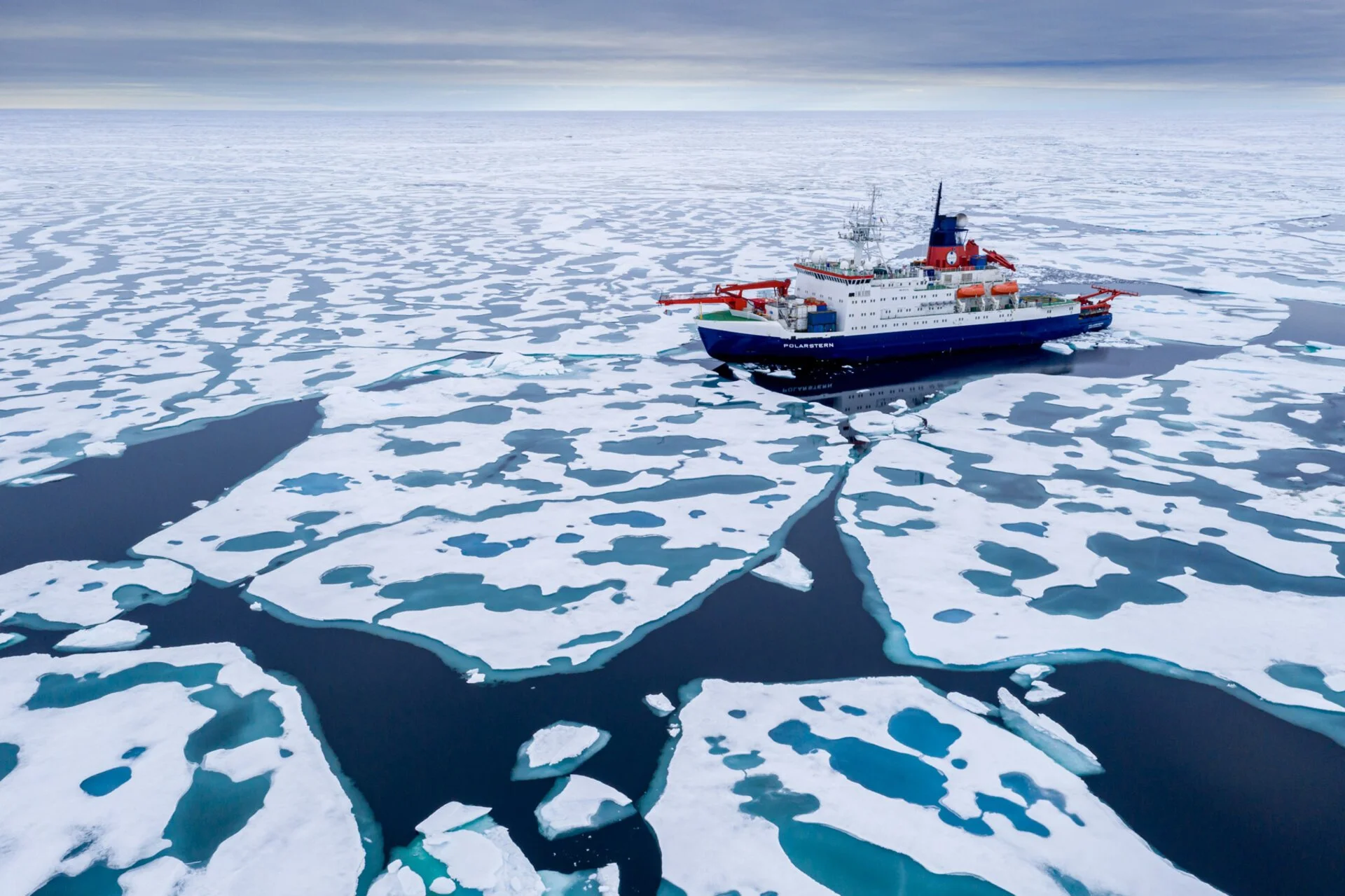
In 2027, I am preparing to sail through Svalbard with the Arctic Circle: a jury-selected expedition residency, 17 days aboard an ice-class schooner. My task is to find unique vanishing colours, name them, and bring them home. Document how long-term exposure to the world's wild beauty changes people: their beliefs, self-perception, and the questions they ask themselves.
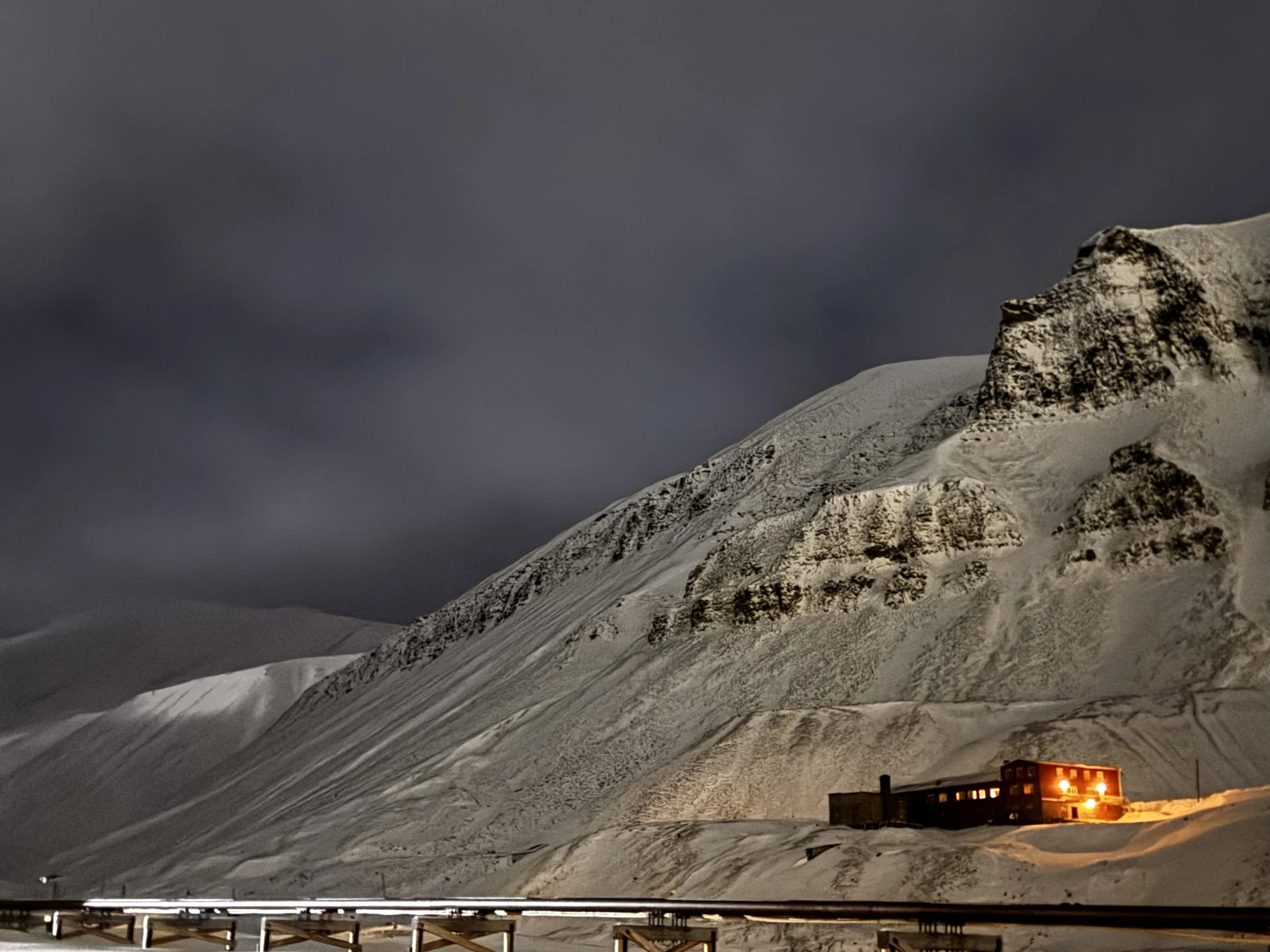
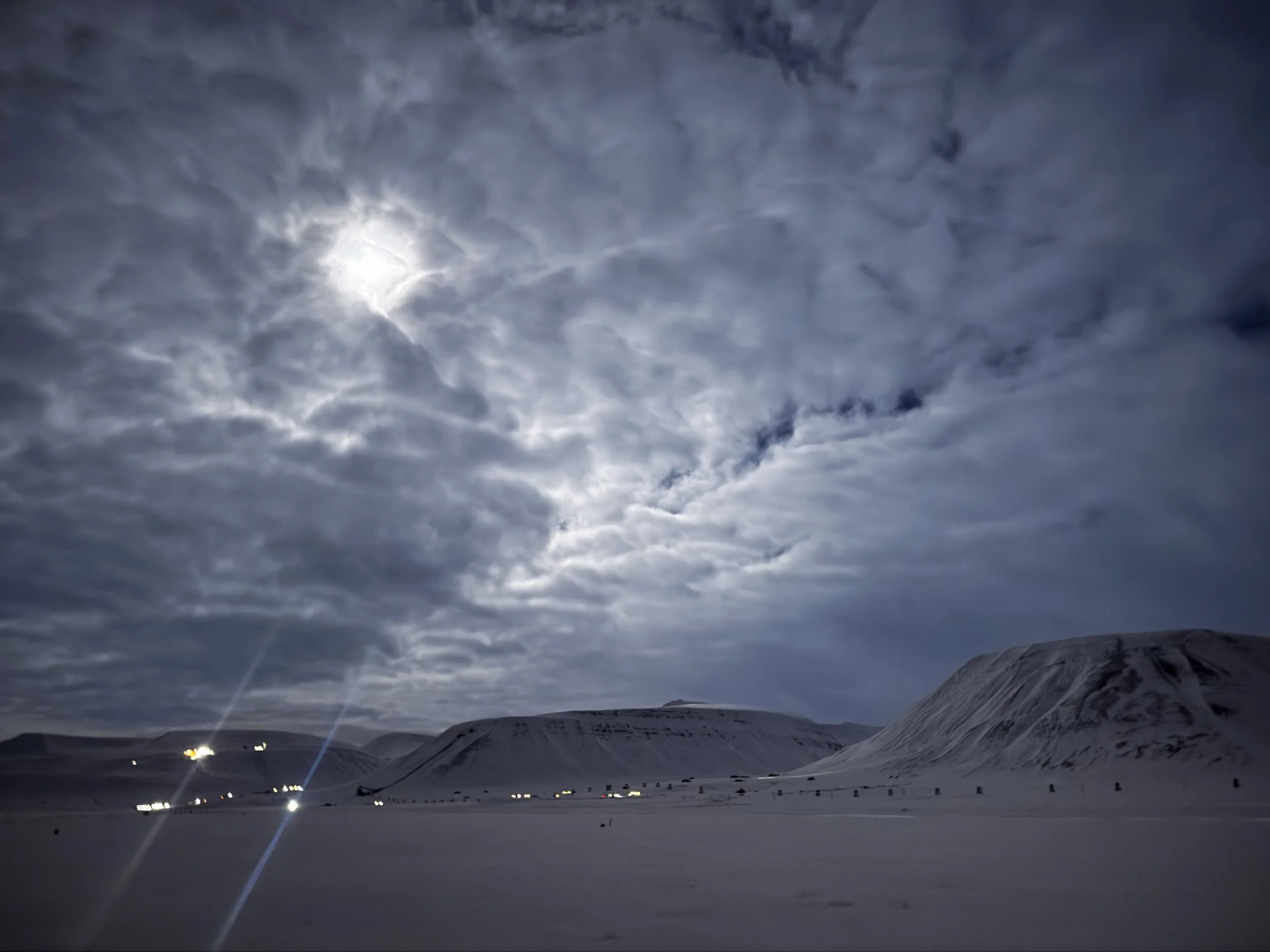
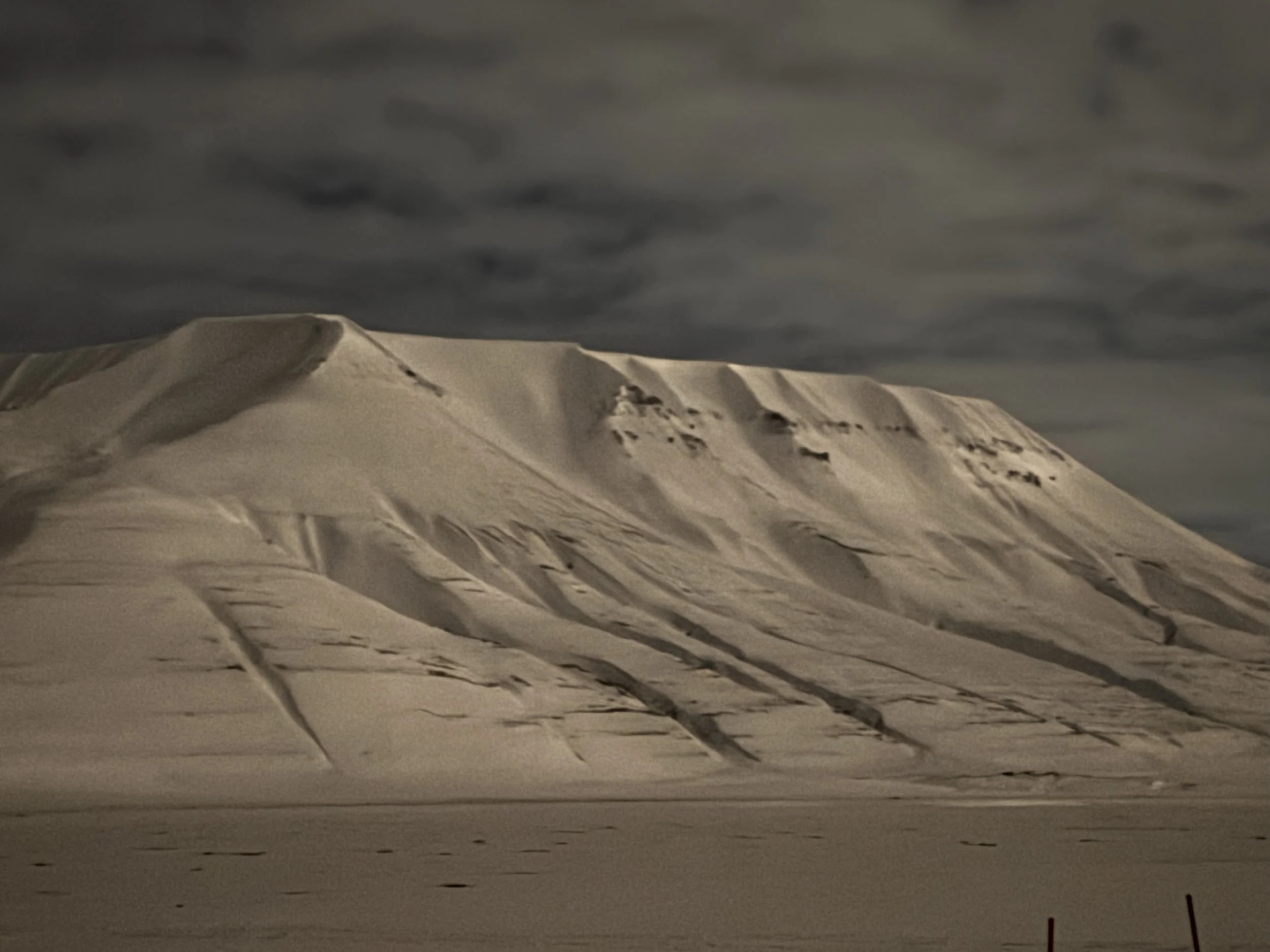
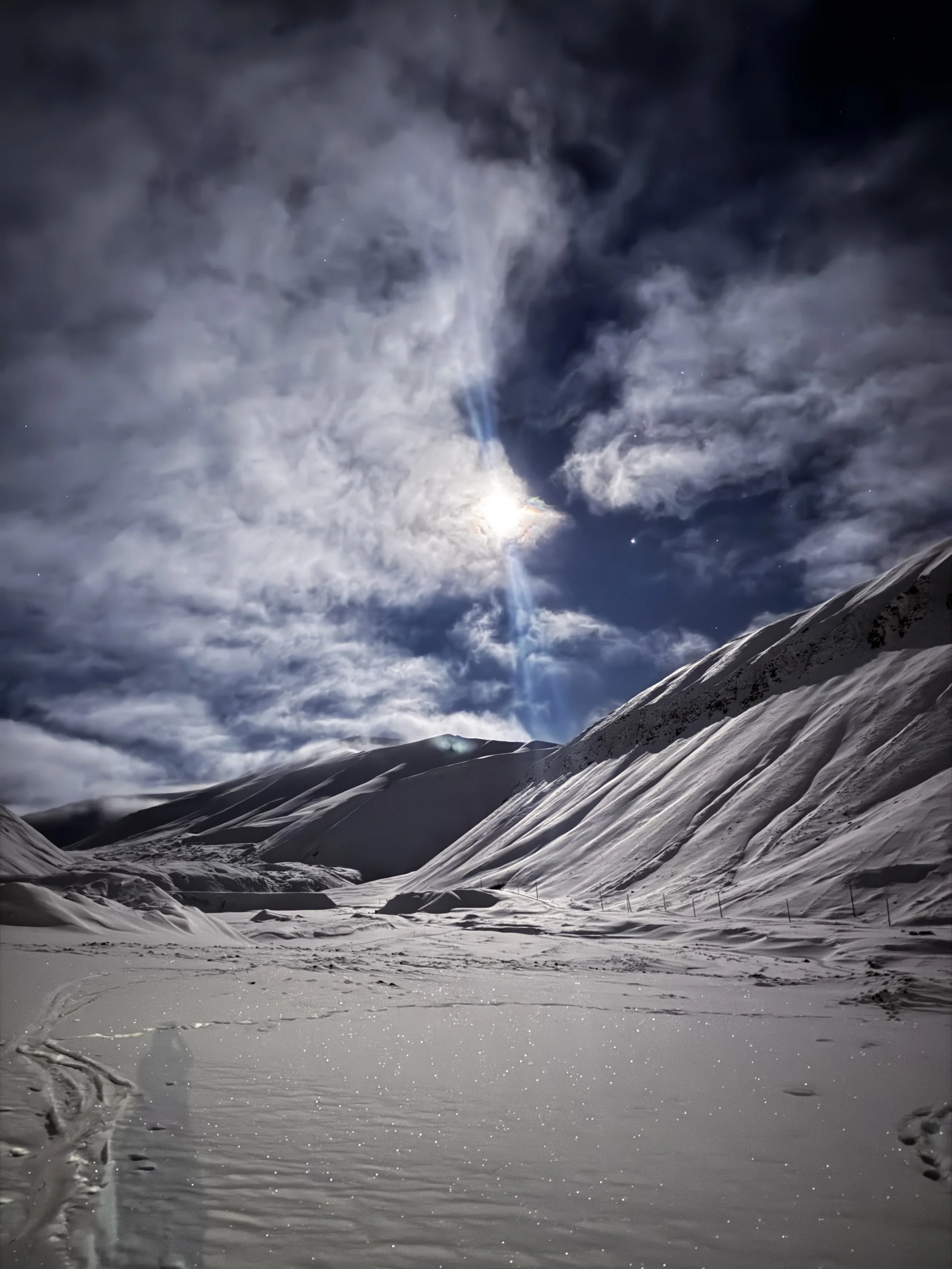
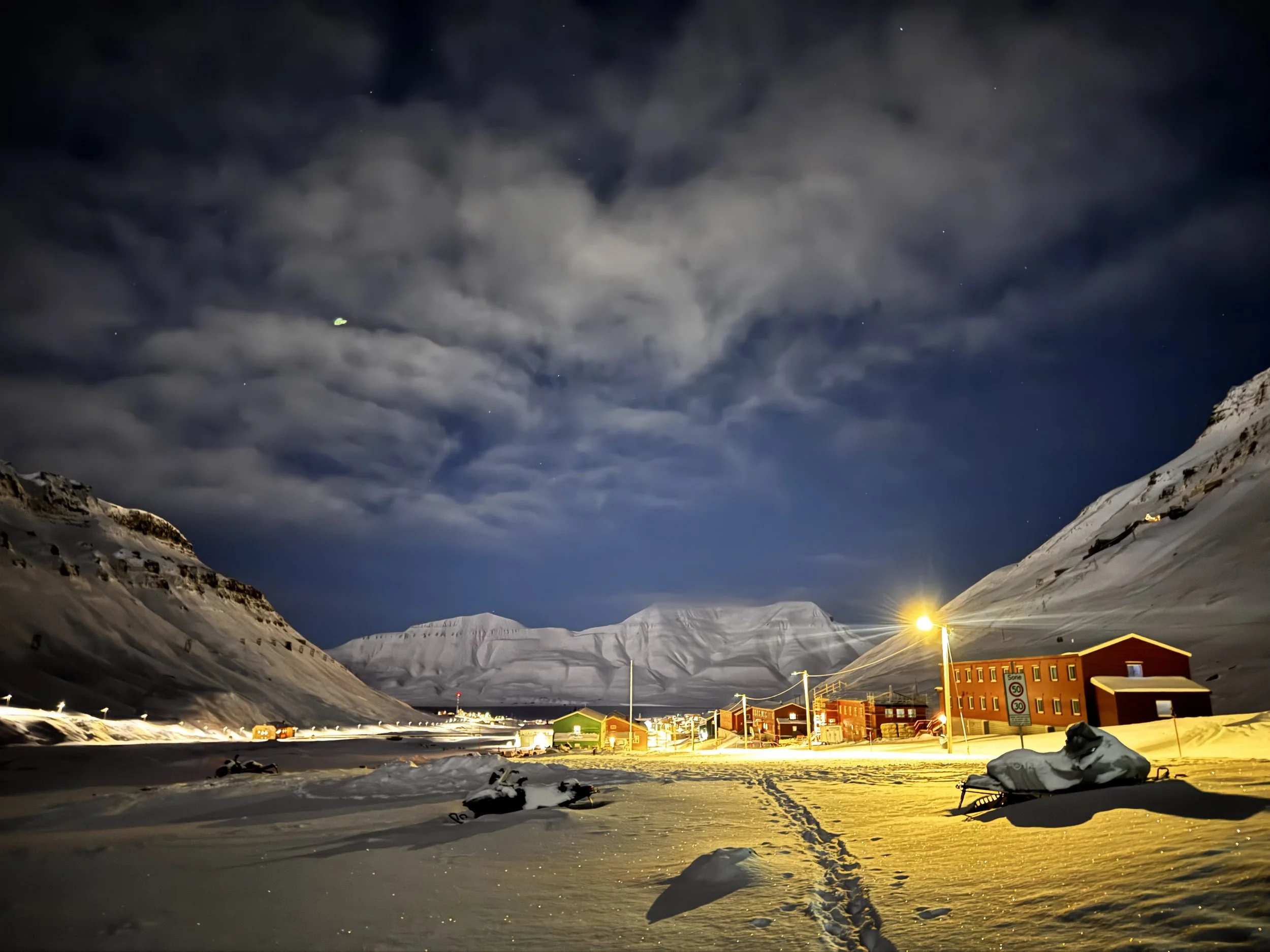
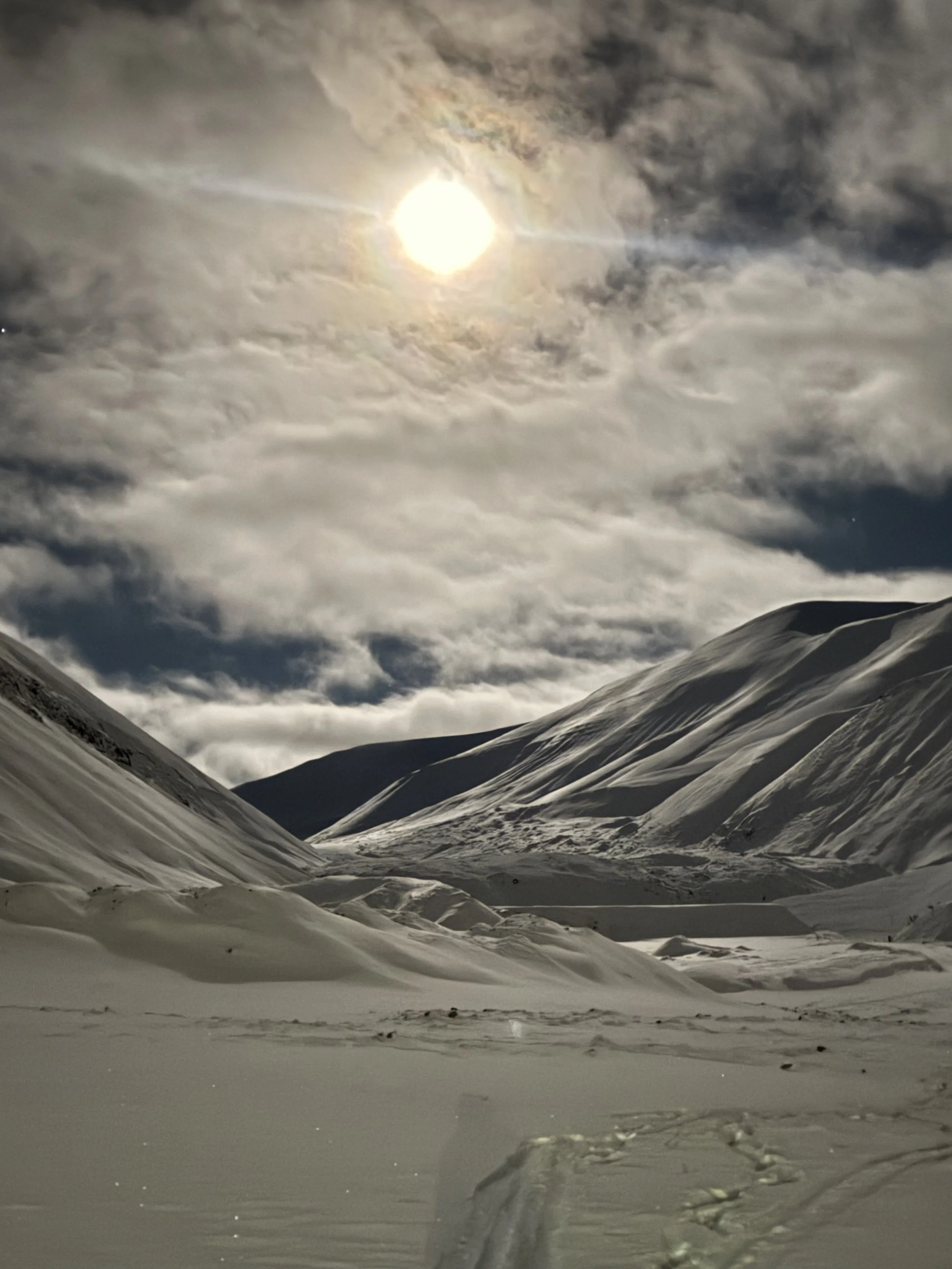
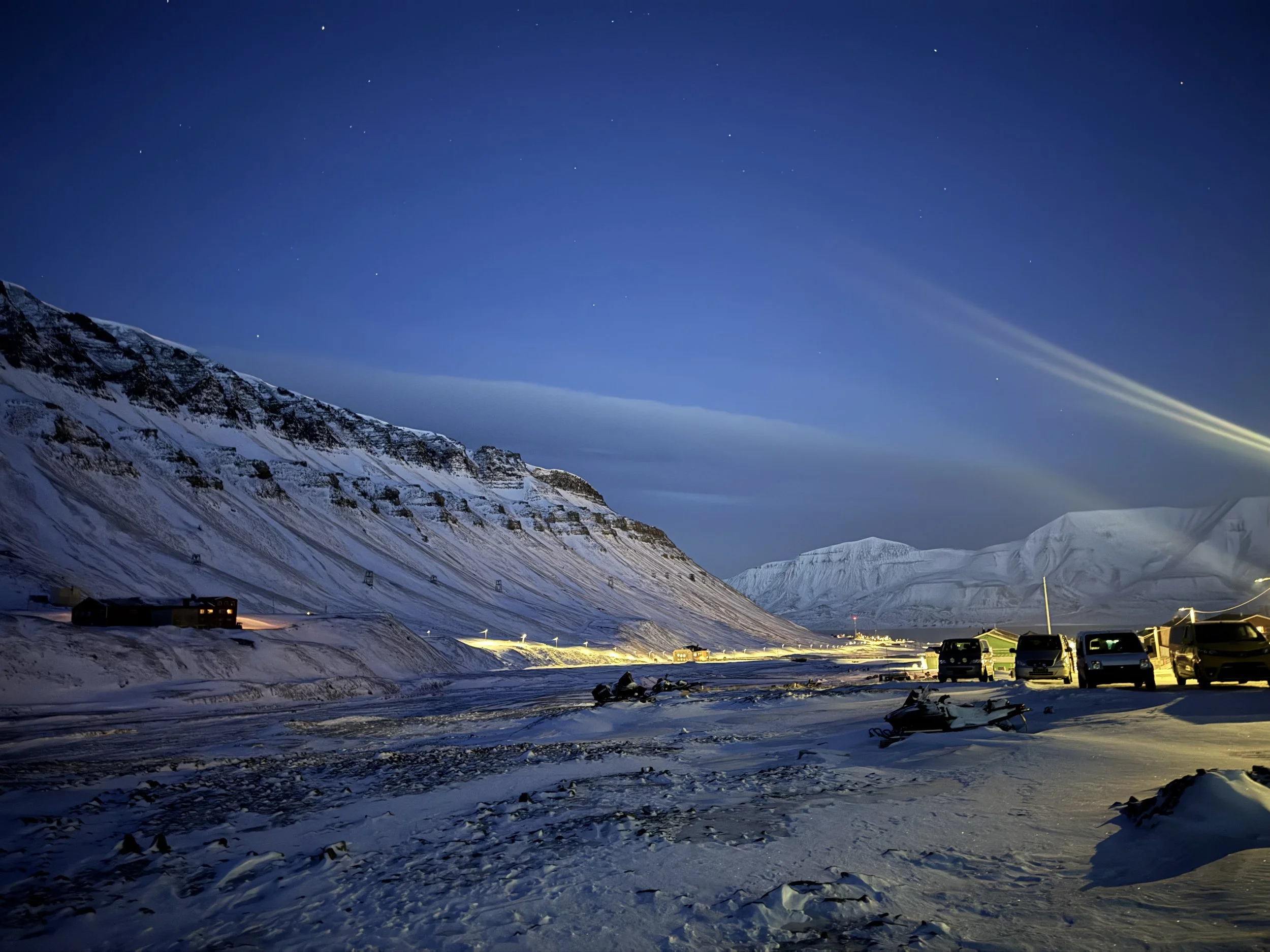
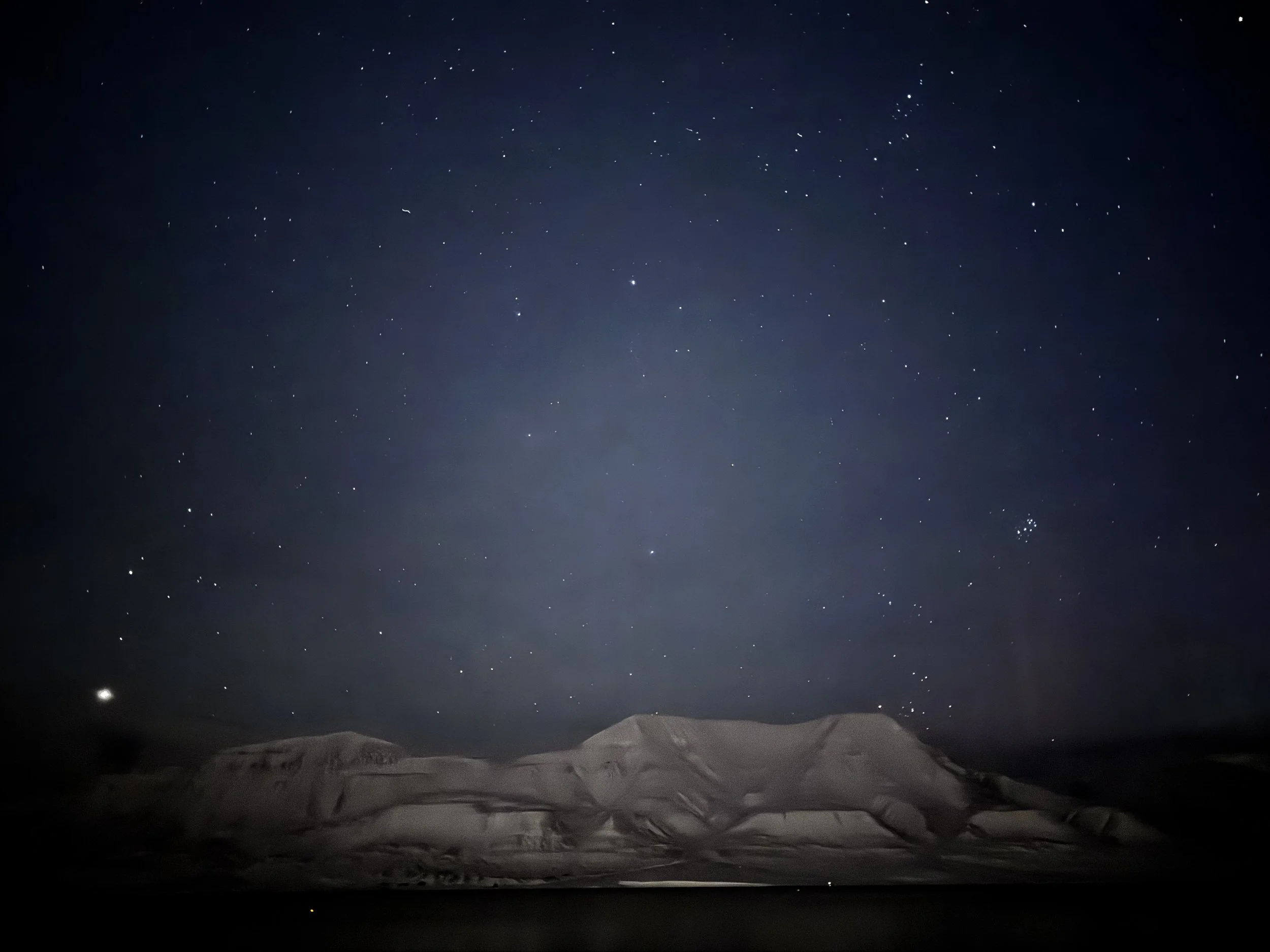
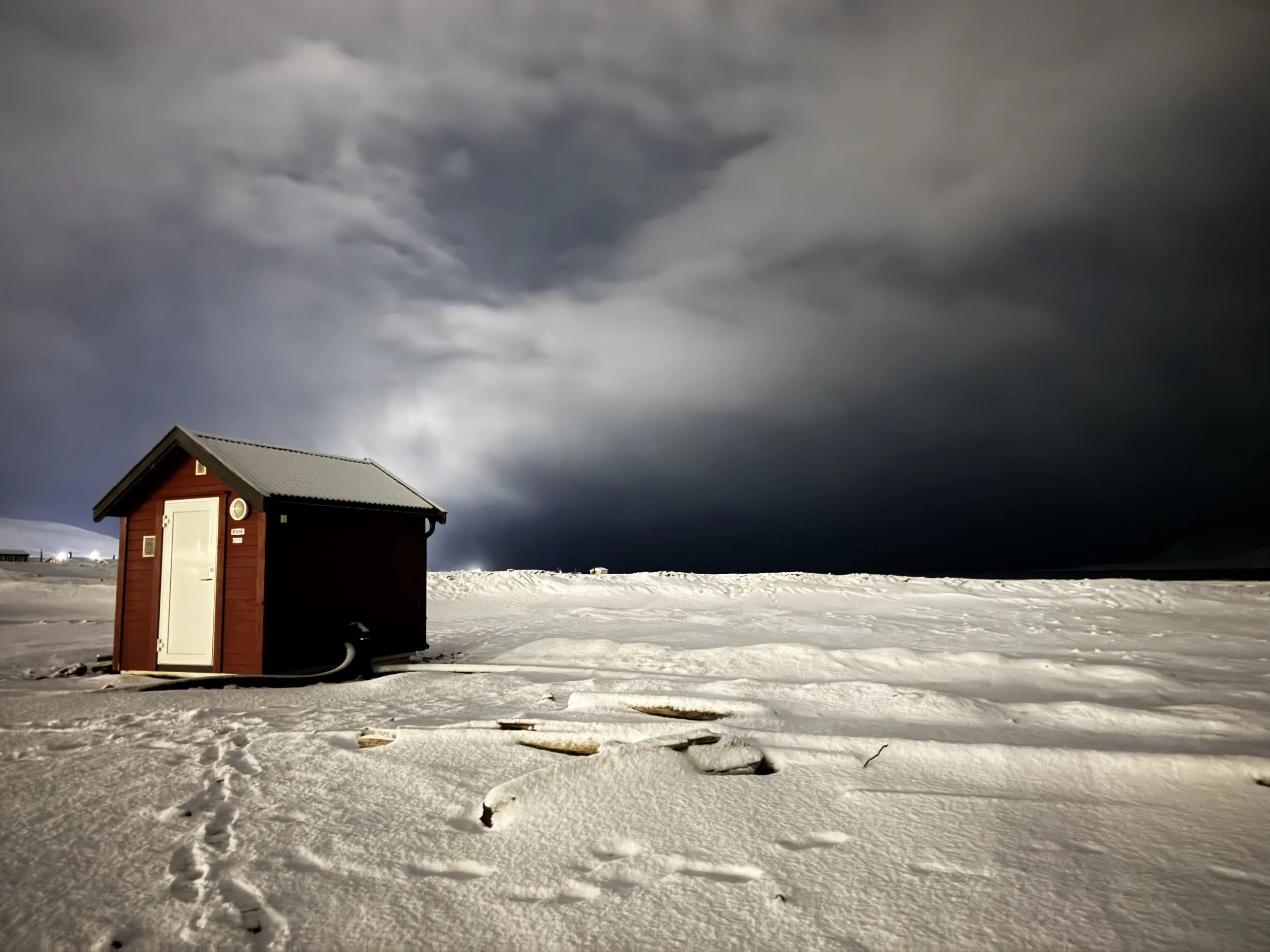
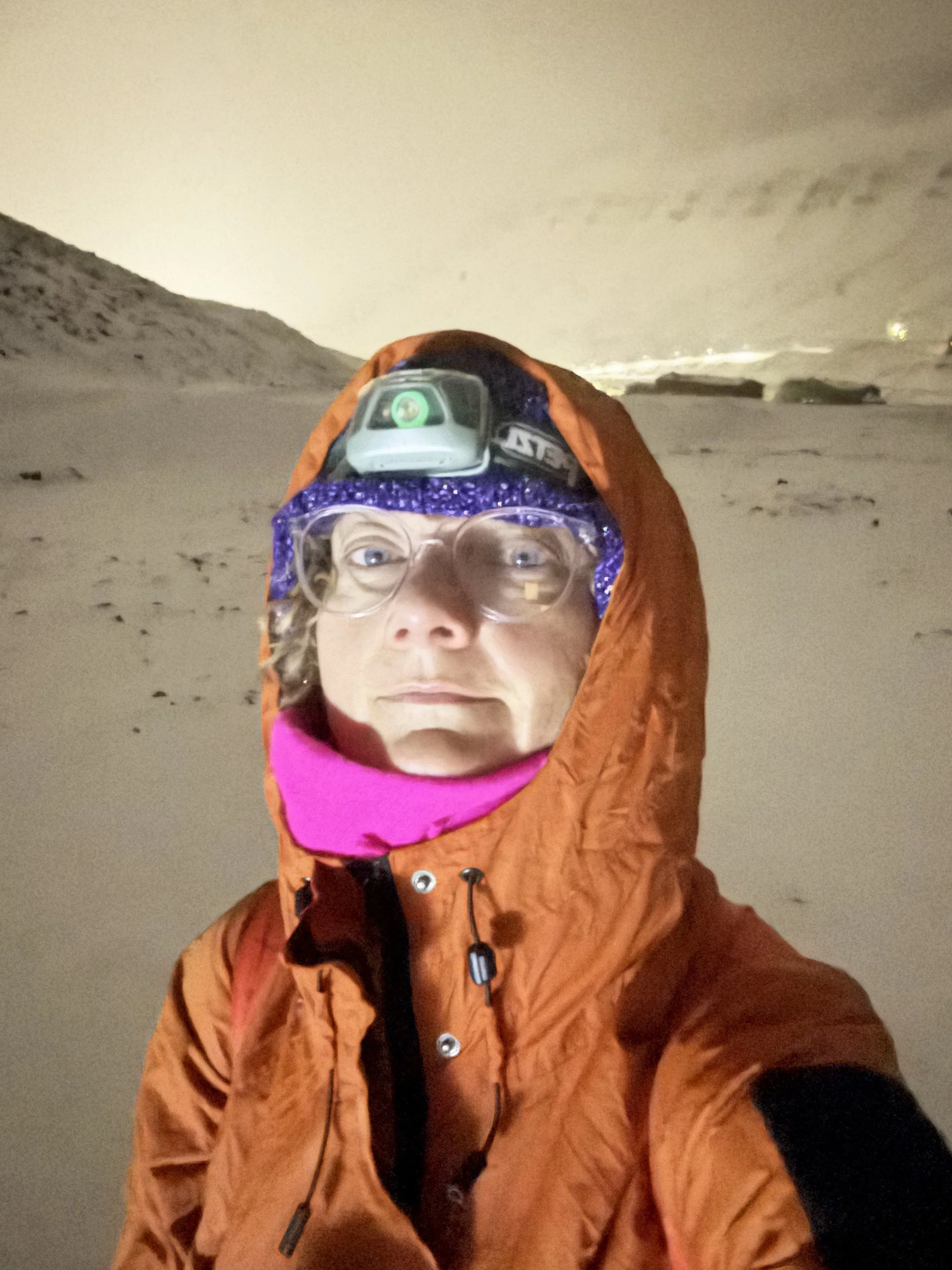
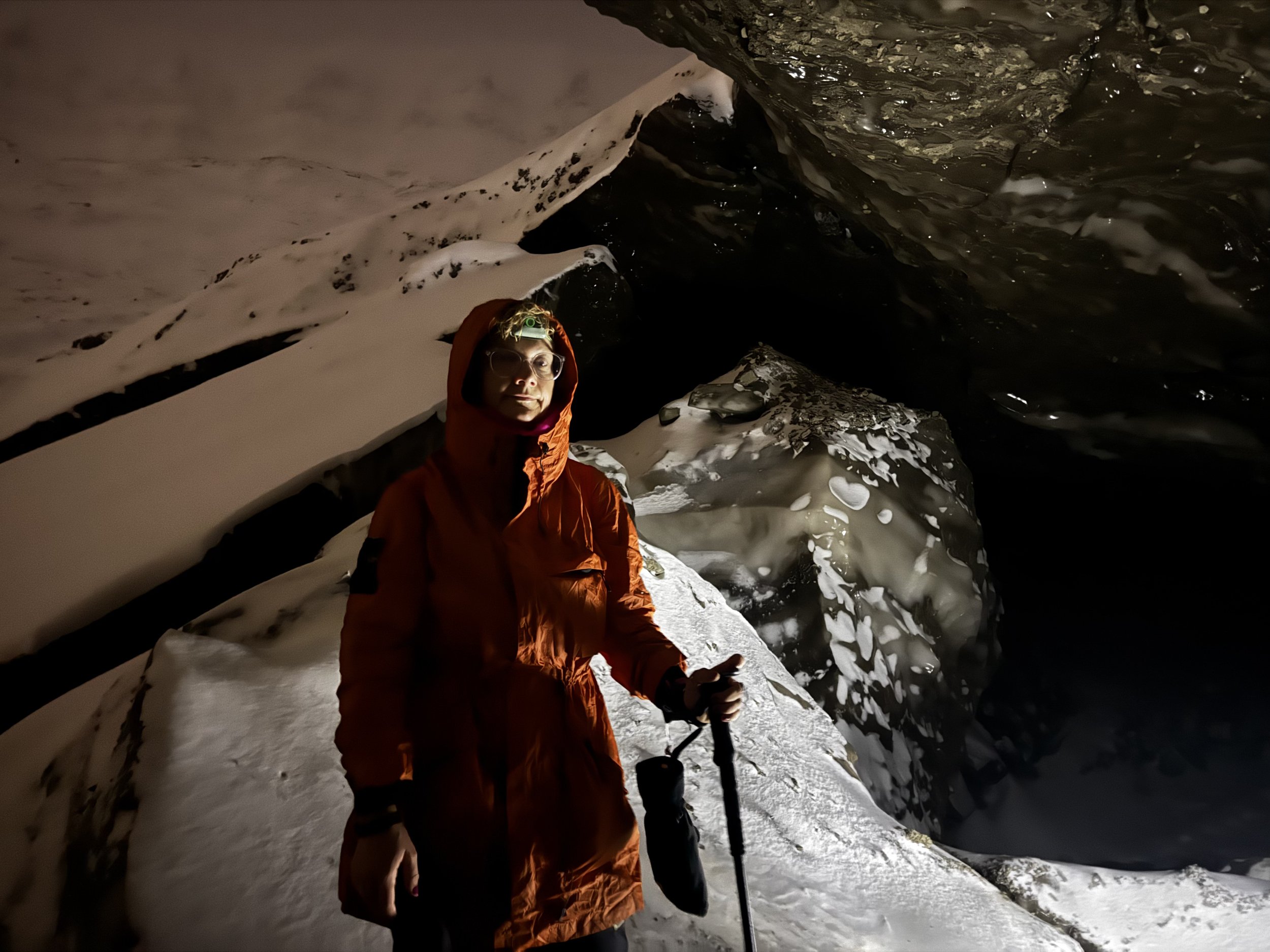
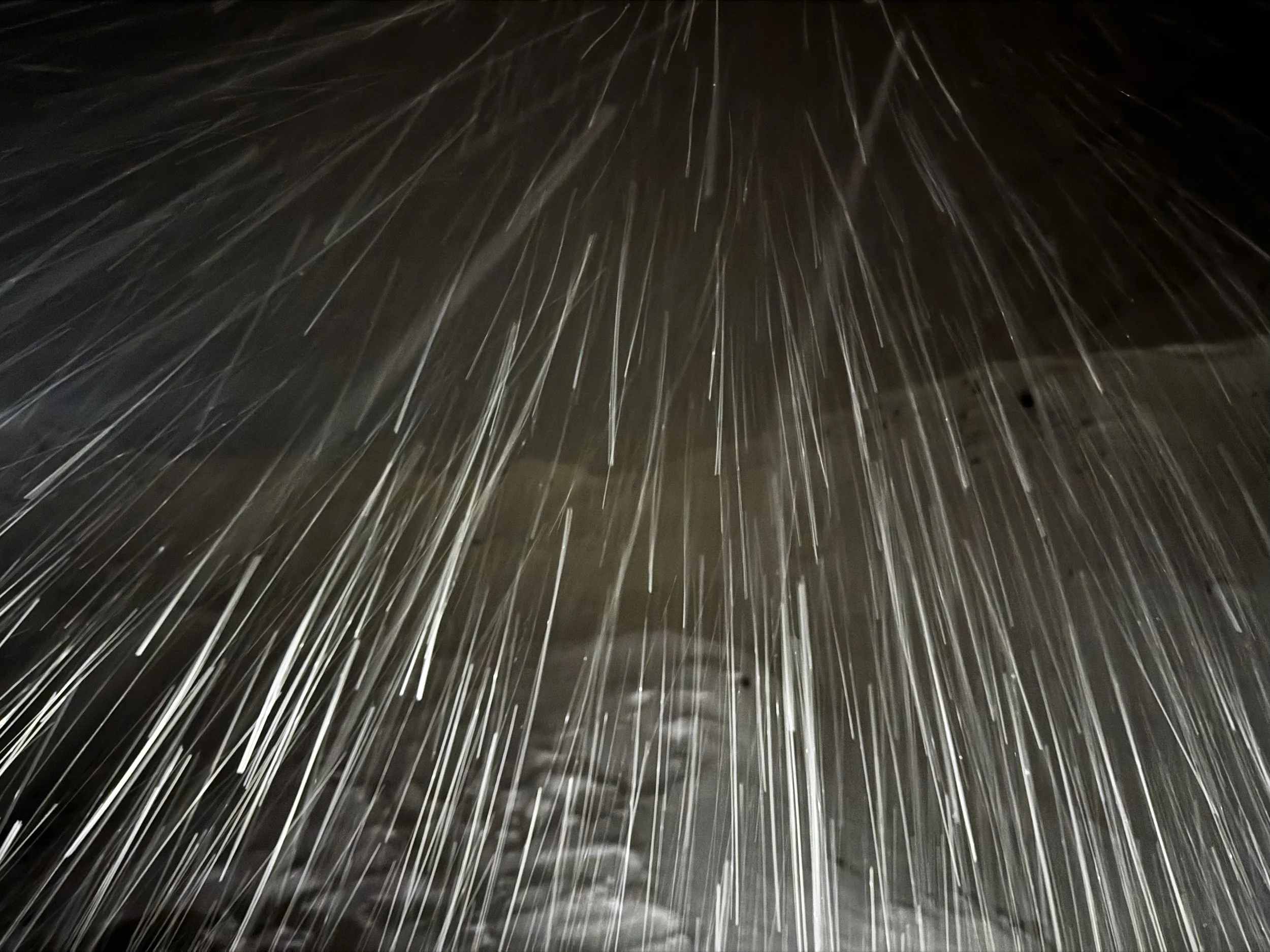
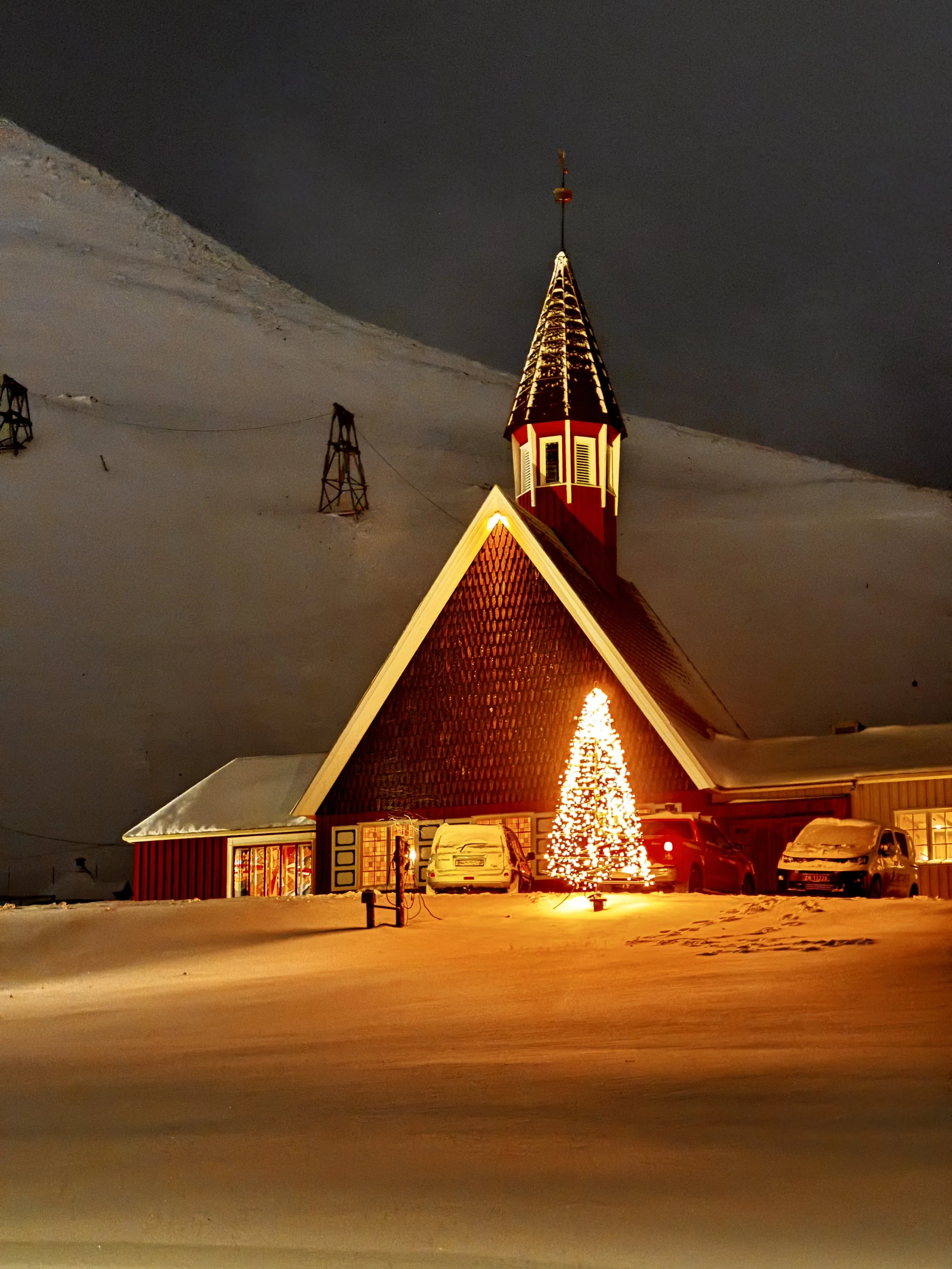
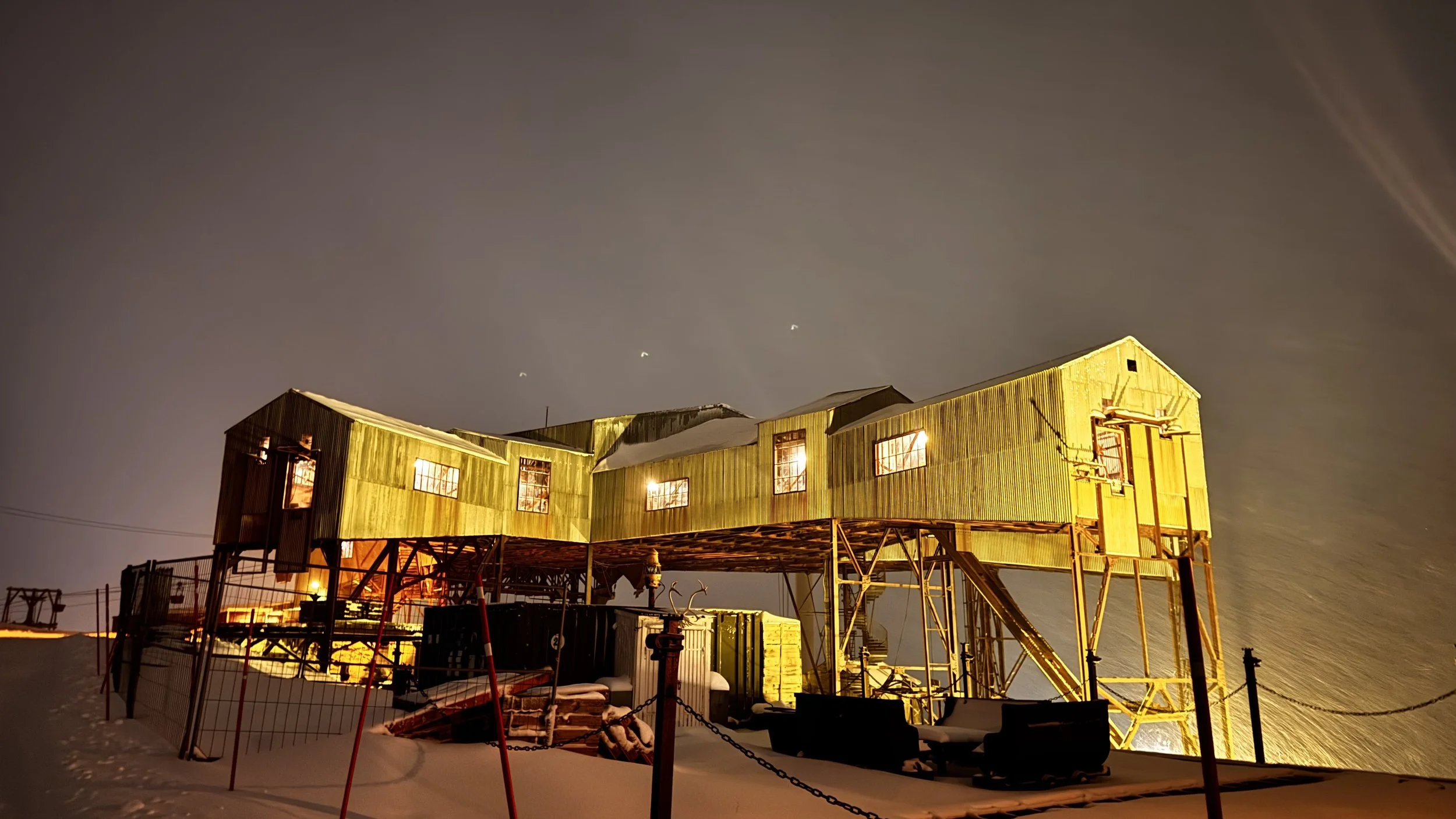
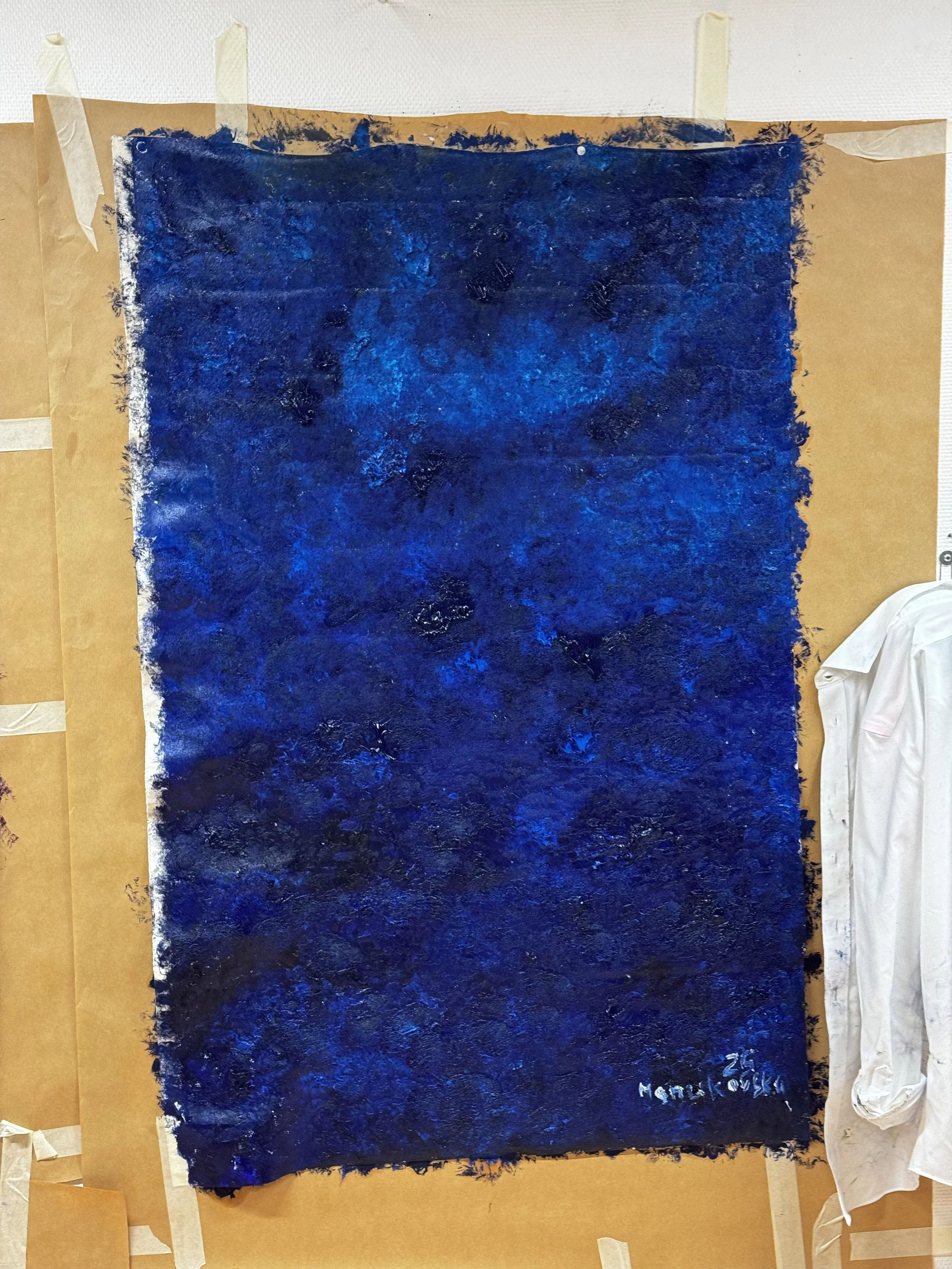
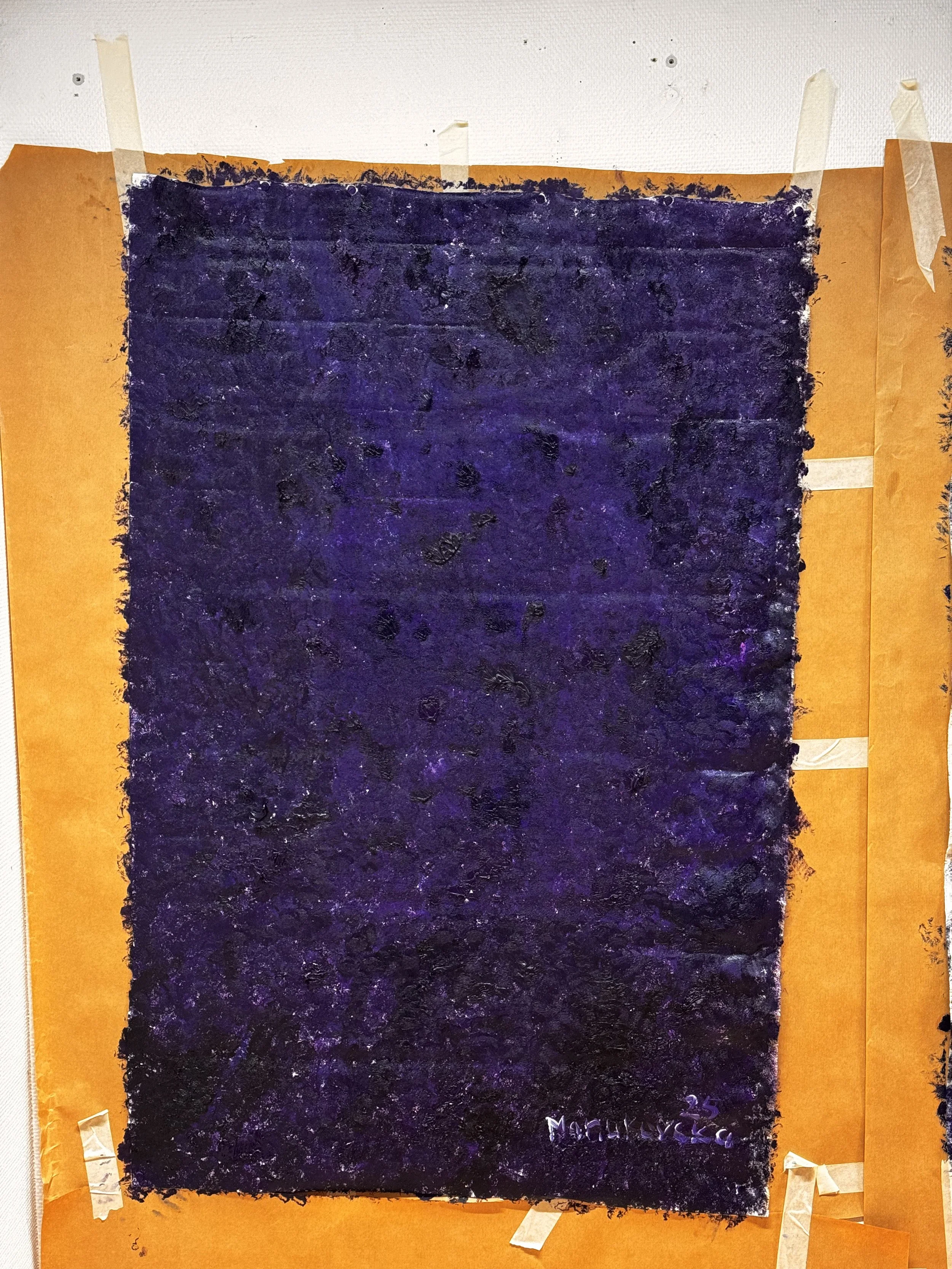
In 2025, I spent two weeks of polar night in Longyearbyen and came back with shades of black: Snowy Umbra Sky, Golden Orange Moon Halo, Cobalt Sage Blue Purple Snowy Sky. They became Questioning Darkness, a series painted without a single drop of black paint.
The Arctic changes people. Every artist I met there who had sailed with this expedition used the same words: “it’s a life-changing experience”. Some started a new practice. Others began new experiments with their usual medium. No one came back the same person.
The Arctic is changing too. Snow blushes pink with algae, glaciers darken, rivers run orange. The shades are shifting while we are still learning to name them.
On board, I will collect two things: colours, and the stories of change of the artists sailing with me.
Back home in Cyprus, each story becomes a painting, built on its colour and shape and titled with one open-ended question, becoming an exhibition and a book filled with interviews. Paintings would be transferred into music.
Then open talks and an exhibition bring the Arctic to people who have never seen it.
I want to capture and document rare colours, name them, and research how they affect people who have never seen them before. Pure, crispy shades of white, purple, blue and pink that can’t be found anywhere else.
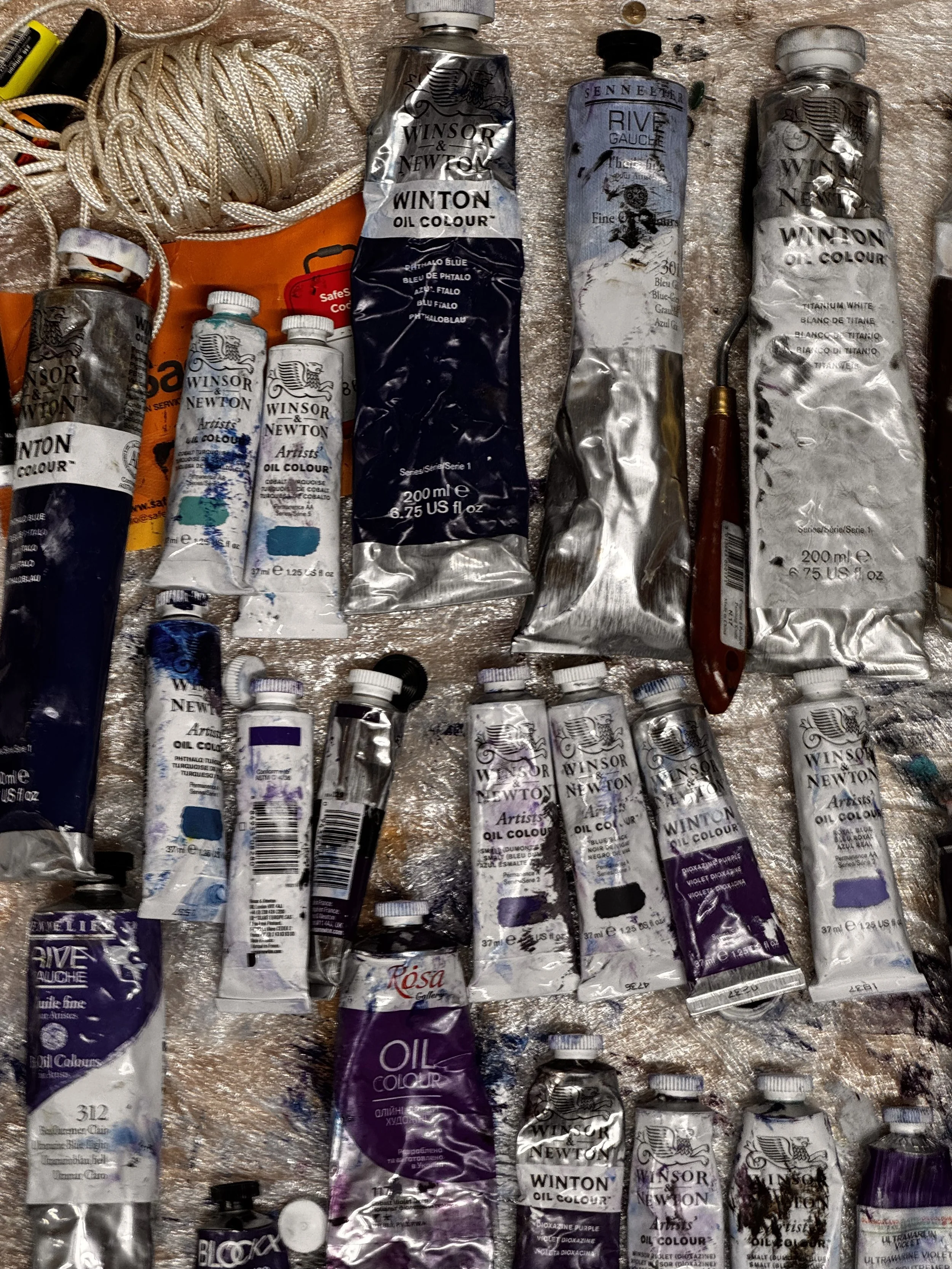
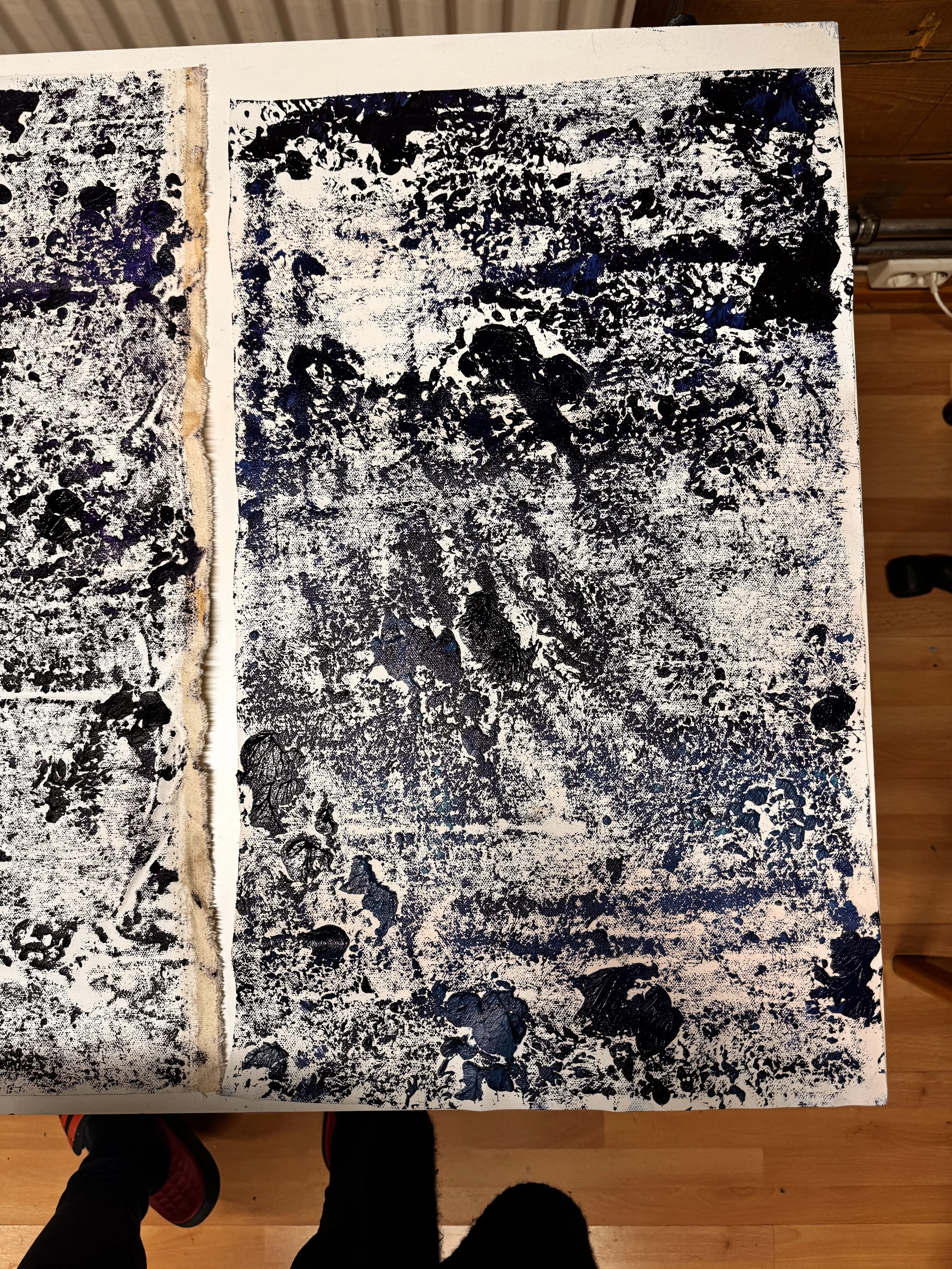
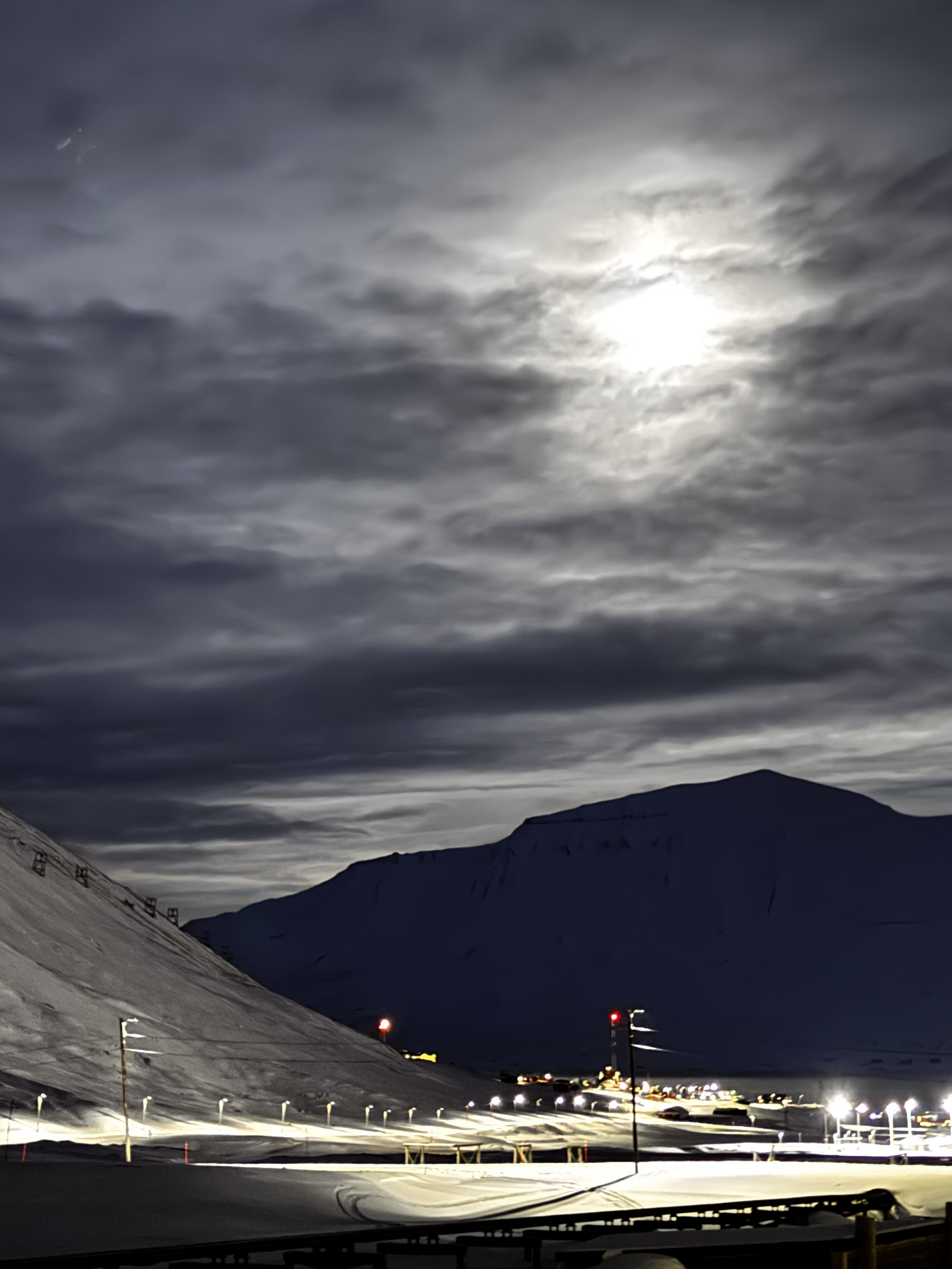
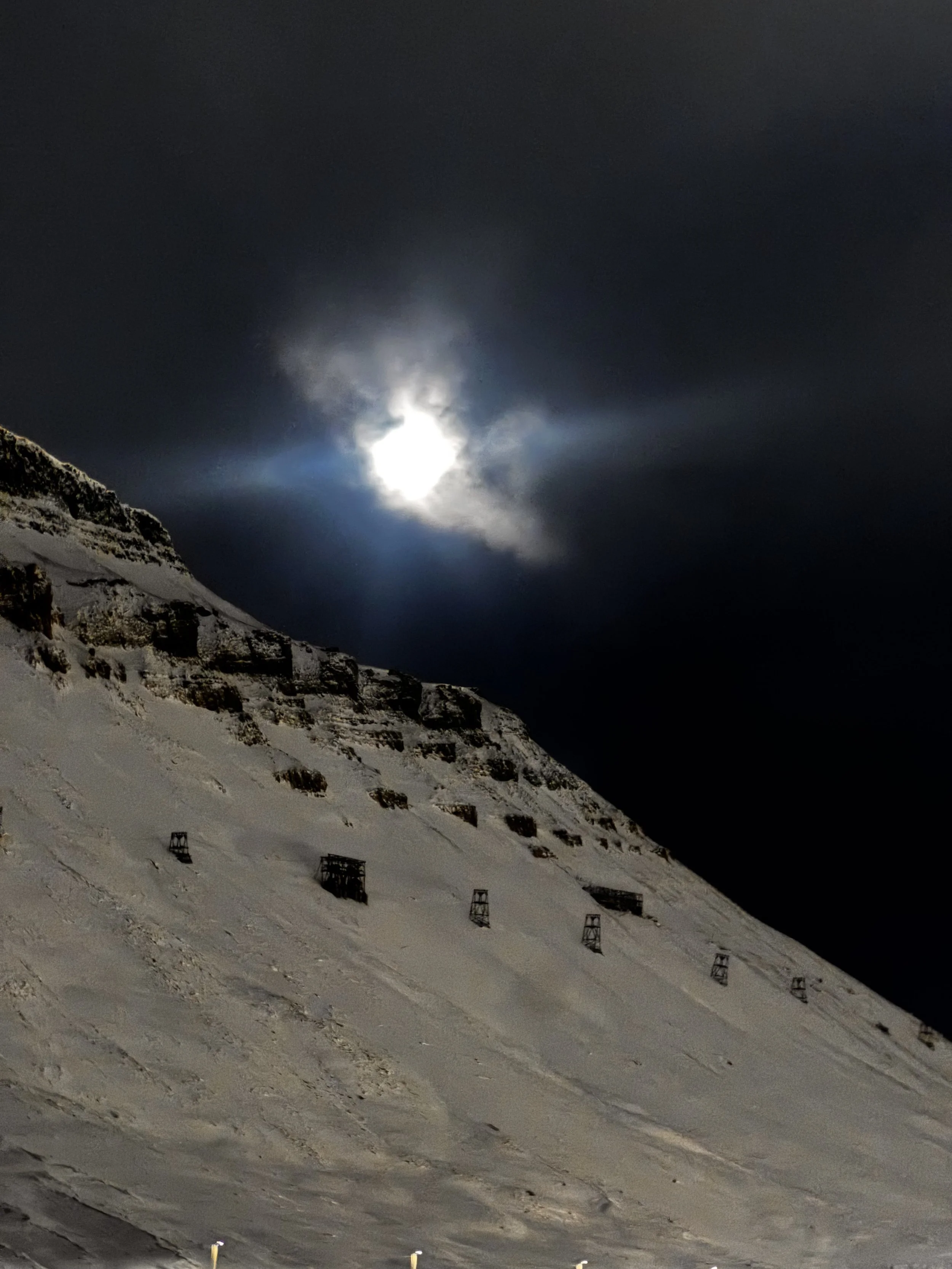
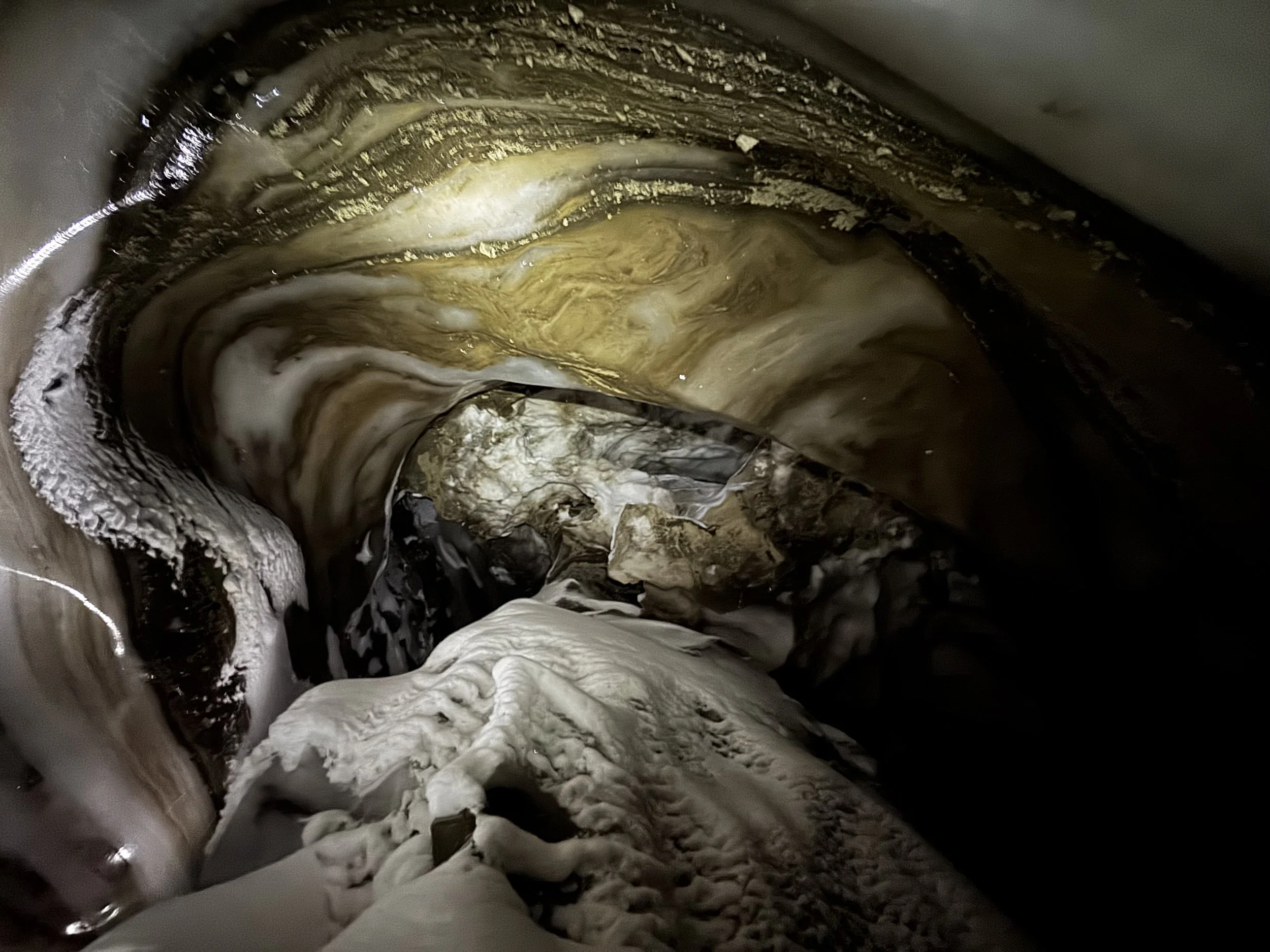
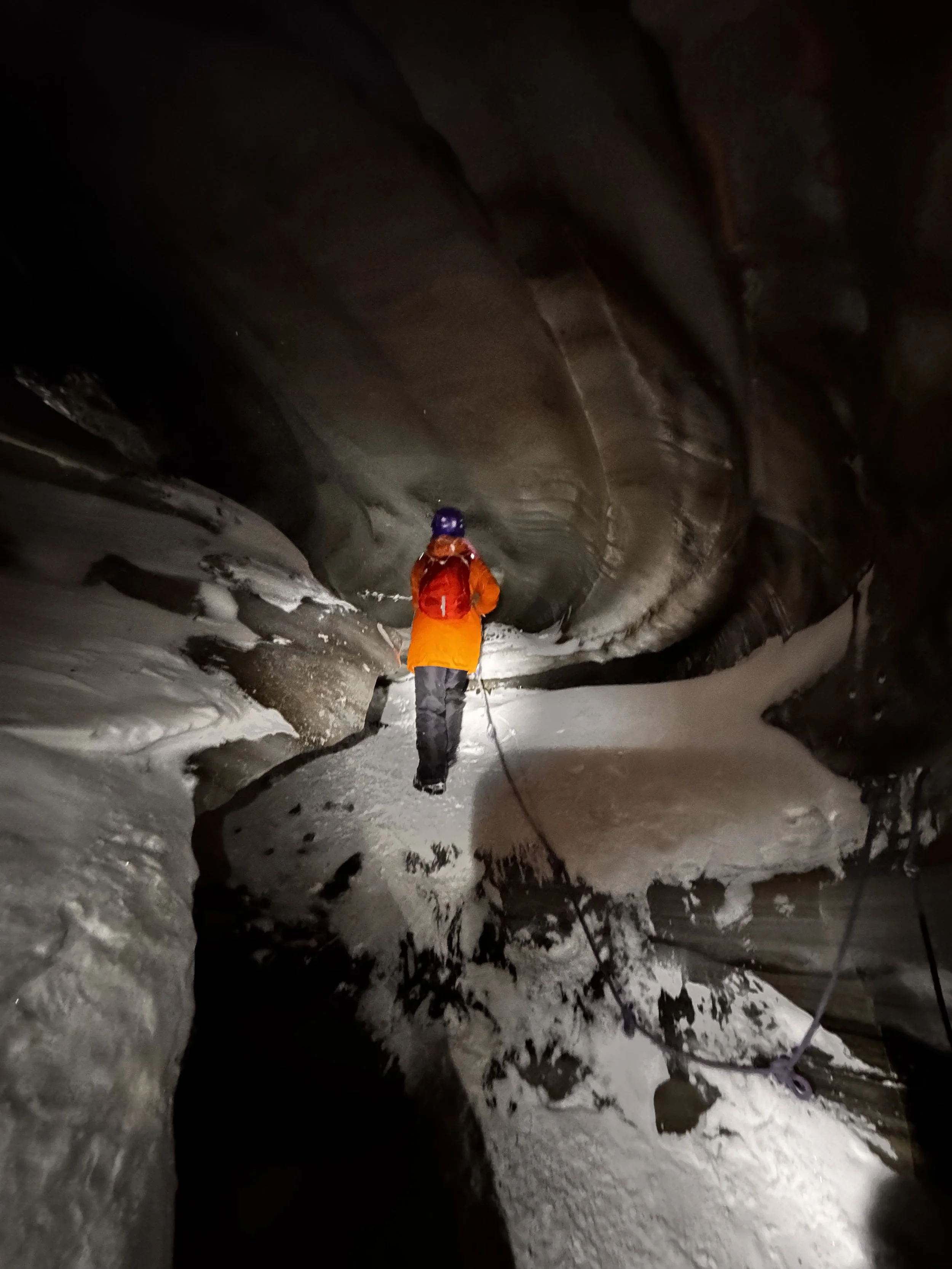
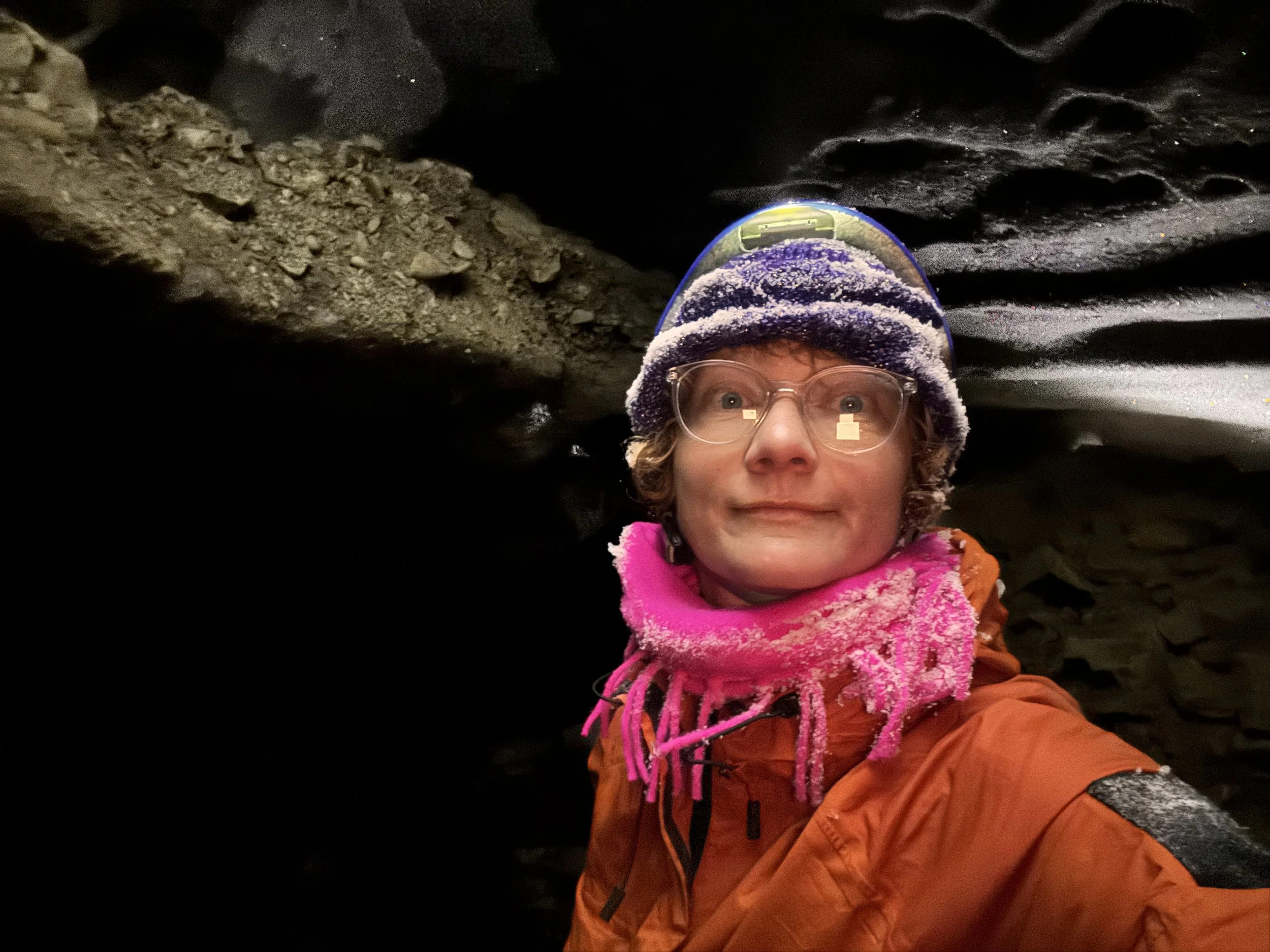
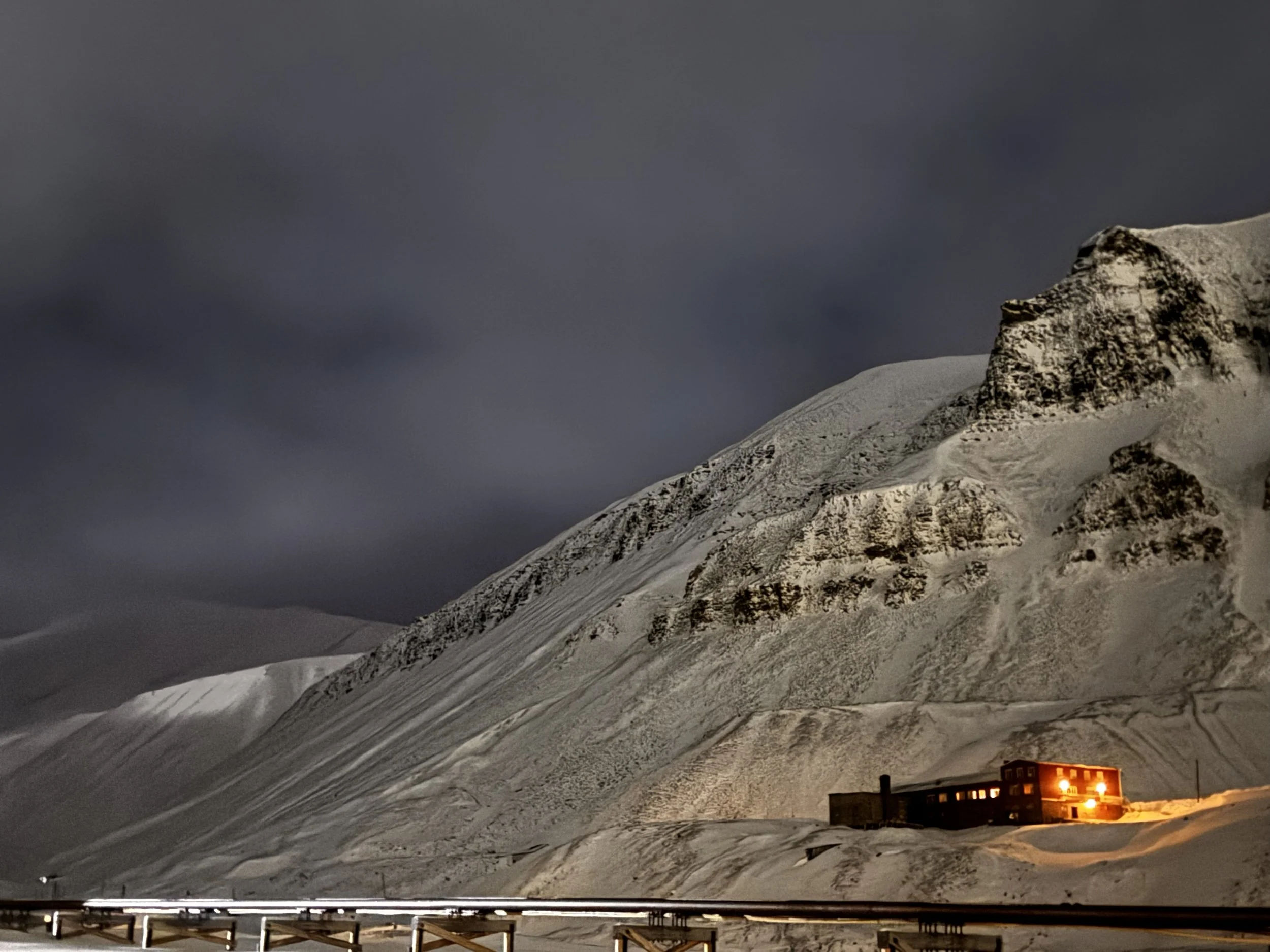
How I'm going to do itHow a colour travels from Svalbard to you
→ Capturing Midnight Sun
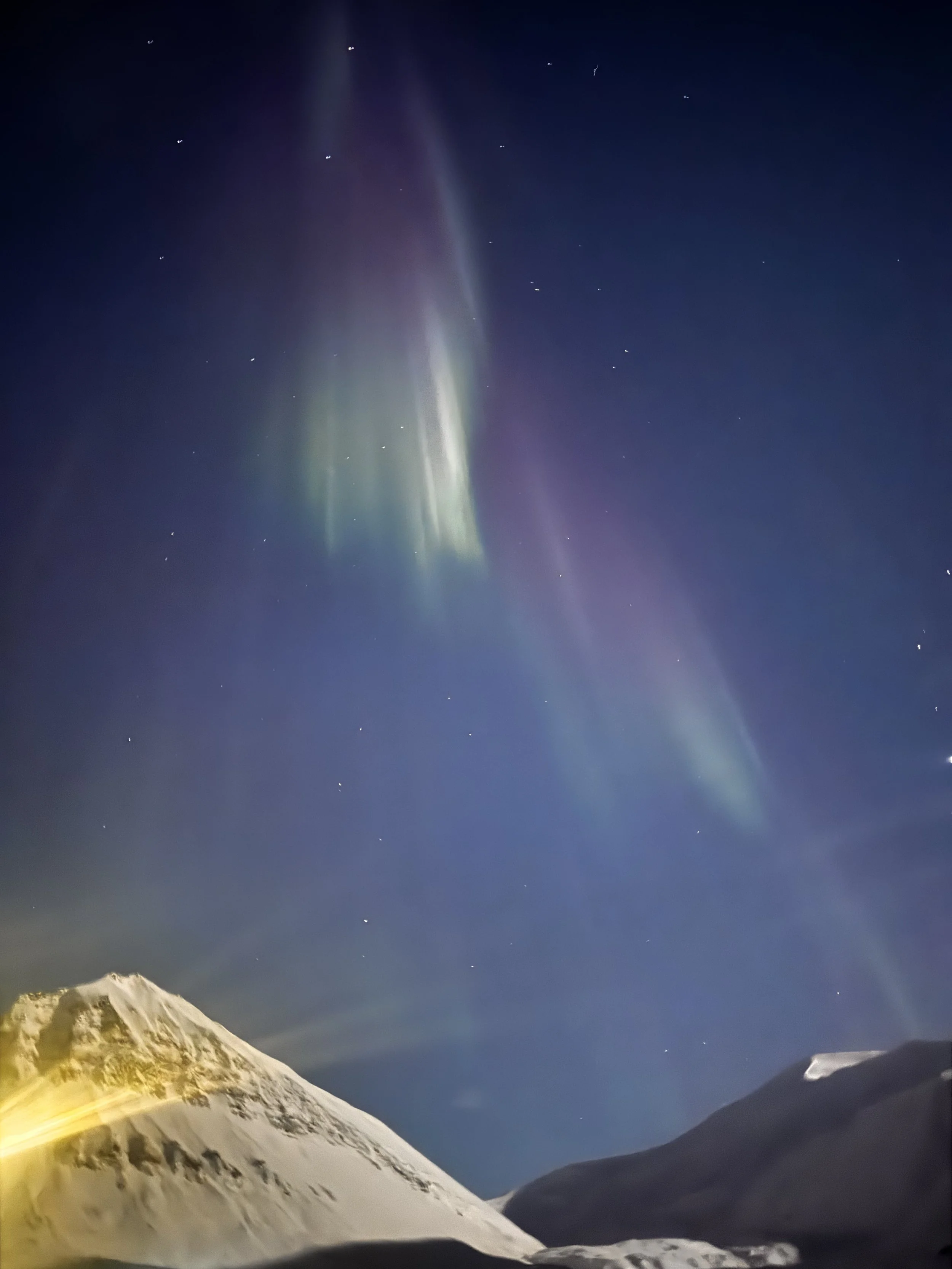
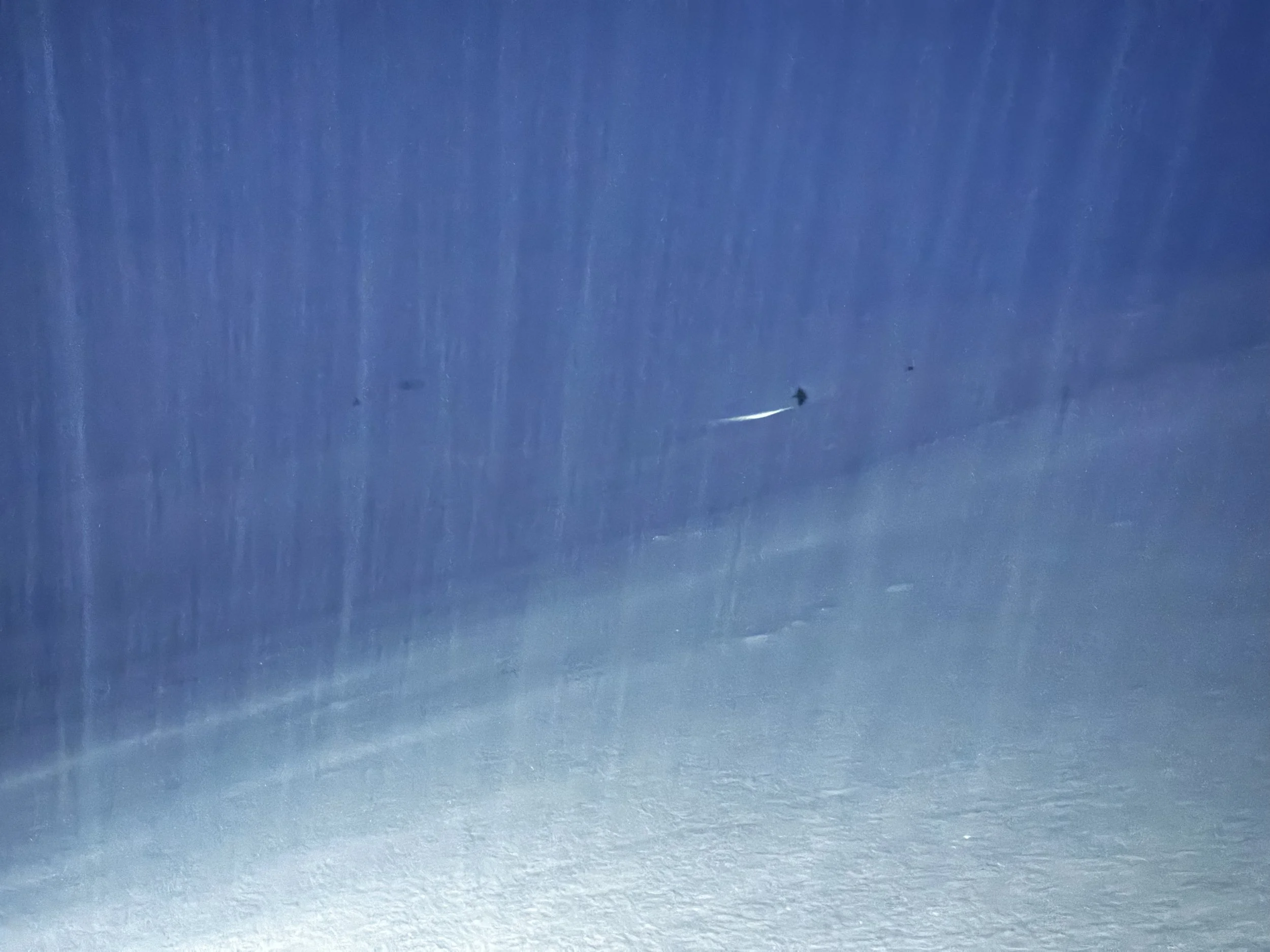
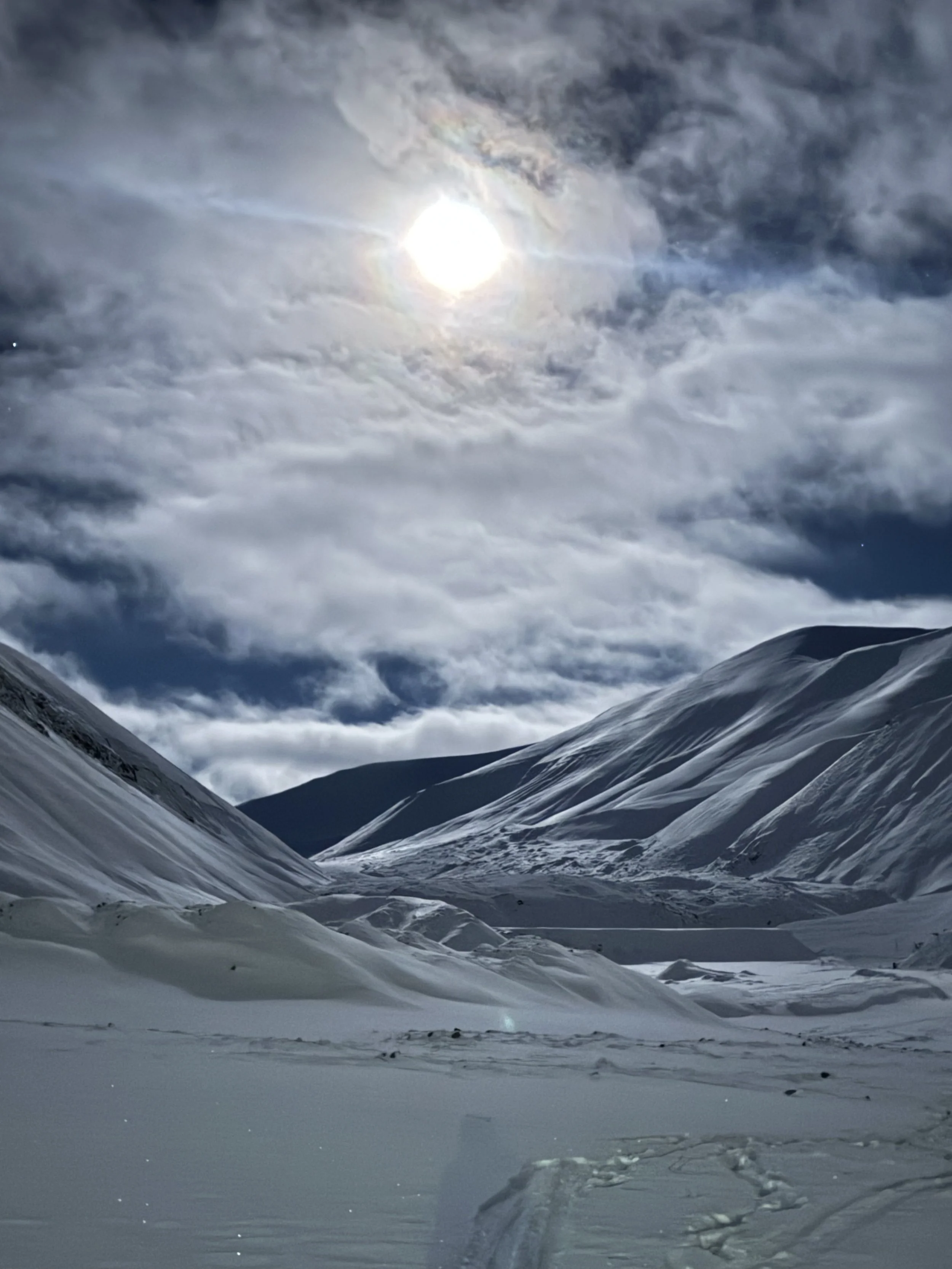
I arrive a week before the midnight sun and stay two weeks after it begins on 20 April. First come nights of twilight with no darkness. Then the sun stops setting but barely clears the horizon: for these two weeks it circles just 0–4° above the northern skyline, and sunset light lasts for hours. With a low sun and a blue sky overhead, warm direct light and cool blue skylight arrive together. On snow at full cover, sunlit slopes turn gold and pink while the shadows go blue.
→ Imprinting colours on paper
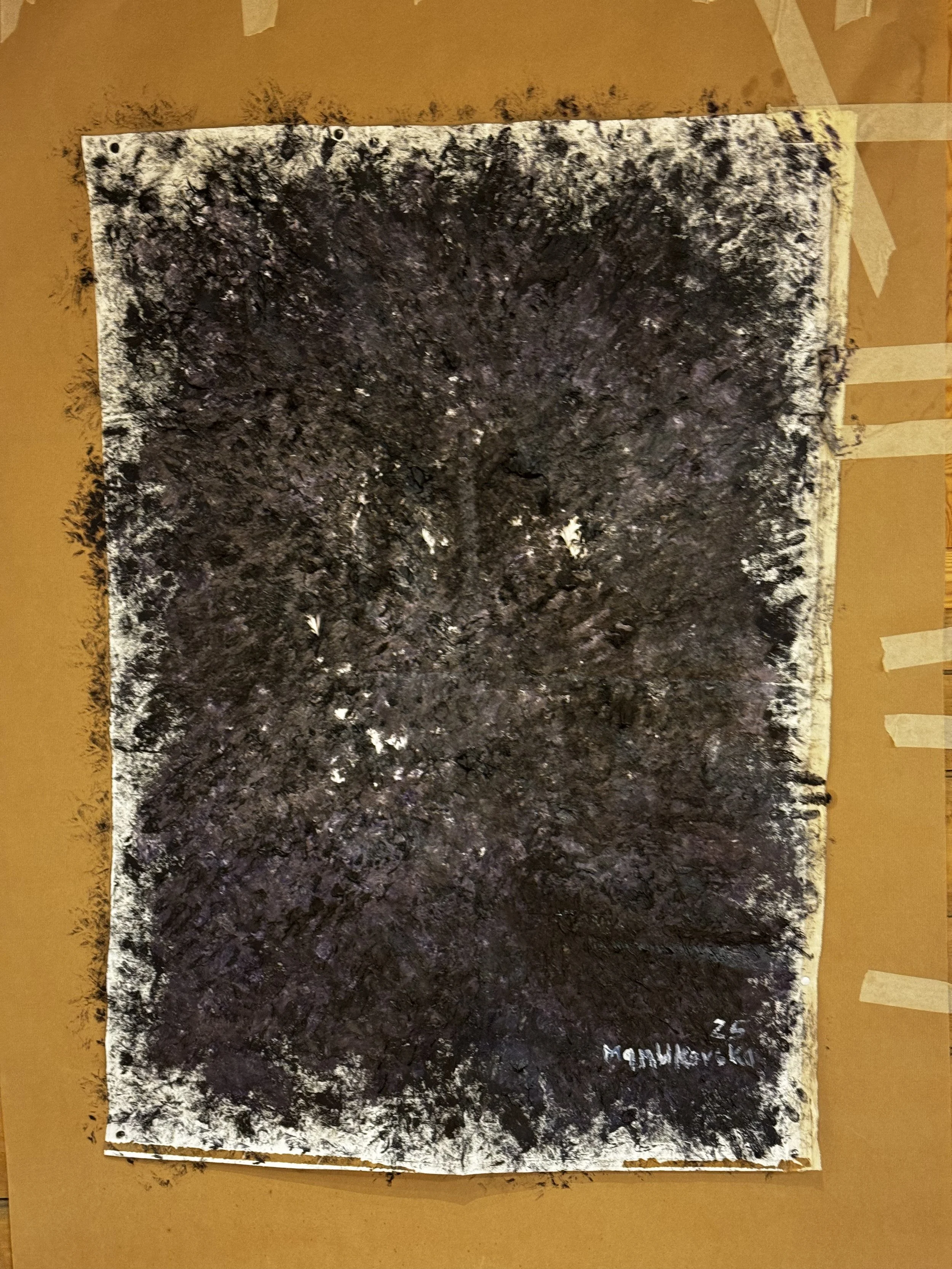
Watercolour behaves differently below zero. When it’s cold enough, watercolour crystallises on the palette and then solidifies on the paper, and the crystals make interesting textures in the painting. Expedition artists bring a flask of vodka or gin when temperatures drop below freezing, because the alcohol keeps brushes from freezing and helps paintings dry faster.
→ Documenting how colour changes the way we see the world
During my expedition, I plan to document how rare wild colours observed invivio shapes one’s mental self-awareness and how we think about the world and people around us.
→ Creating series of paintings back home
Once at home, I turn watercolour and pastel sketches into large-scale oil paintings.
→ Turning colour into music
Writing about the Arctic night, Nansen called its colours “faint, dreamy colour music, a far-away, long-drawn-out melody on muted strings”. Ritter reached for music too: she compared the polar night to a Berlioz symphony and described the northern lights as a gentle dance. I turn each painting into music using sonification technology.
→ Naming the colours and questions they pose to us
With the expedition participants, I name the colours and the questions they pose to us.
→ Publishing a book with unique colours
Once the paintings are done, I put everything in the book, which will be published in Cyprus and distributed globally.
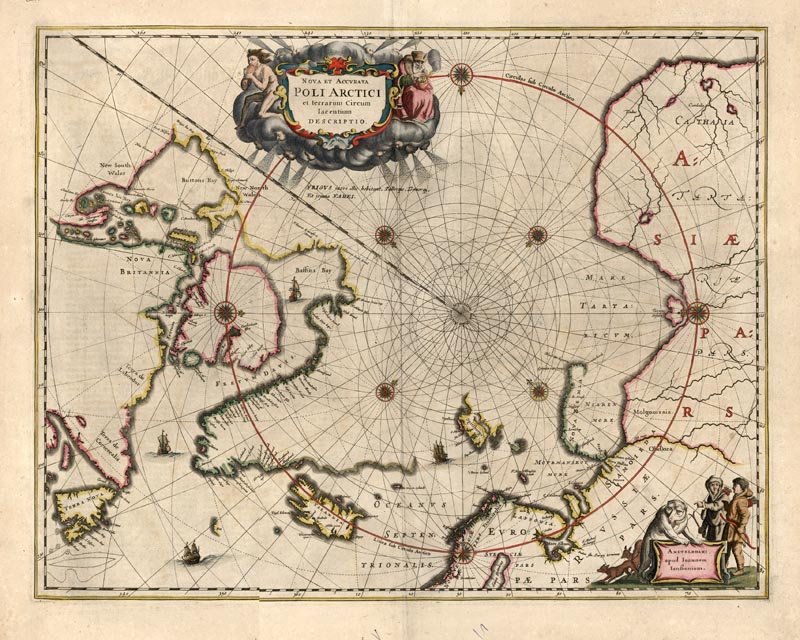
Arctic exploration over the centuriesPlace on Earth that attracts the bravest people on the globe
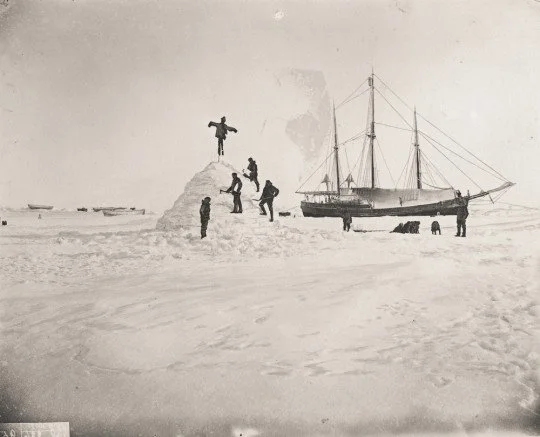
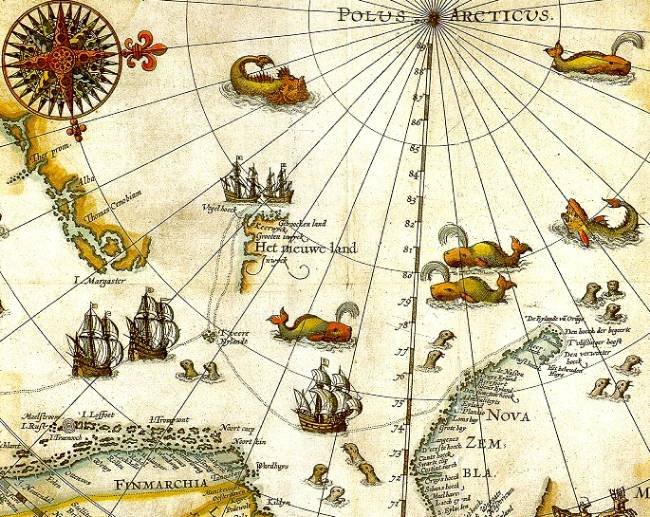
1596–97. Willem Barents’s crew winters on Novaya Zemlya, locked in by ice. In January, Gerrit de Veer records the sun returning earlier than any calculation allowed. It reads like a mistake. It is light bending in frozen air, later named the Novaya Zemlya effect. The Arctic shows what does not fit expectation, and the eye has to learn again.
1820s. William Edward Parry’s ships overwinter in the Canadian Arctic and turn into small towns: a school, a theatre, costumes, dancing. Culture becomes survival equipment. Inuit, Iligliuk among them, draw charts for the officers and name the places on them. The shelters the officers first judged uncomfortable become their refuge in bad weather. Comfort is redefined.
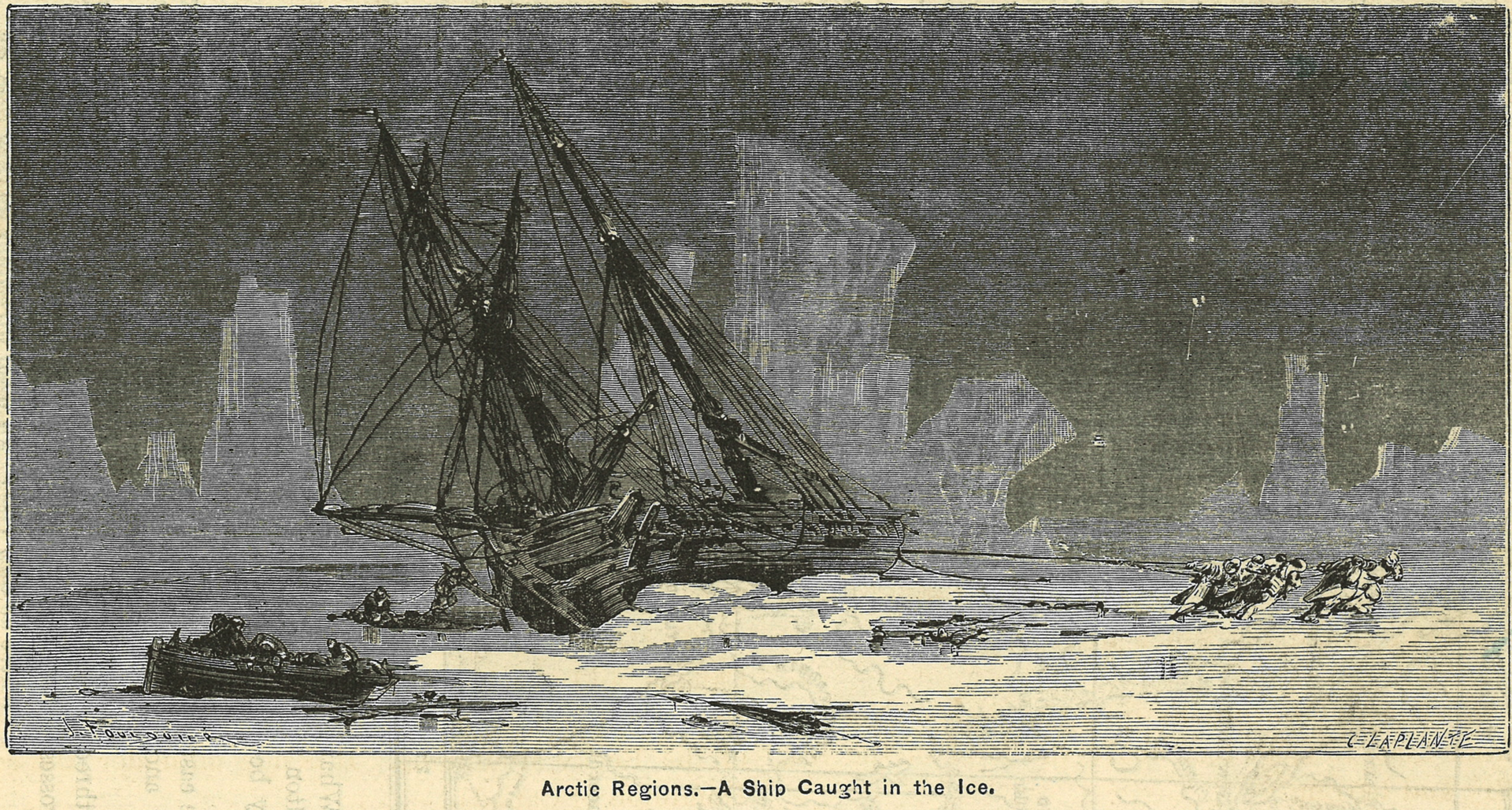
1840s–1850s. The search for John Franklin’s lost expedition fills the public imagination with Arctic images: engravings, lithographs, panoramas. Wonder becomes something you can buy a ticket for. Caspar David Friedrich’s The Sea of Ice (1823–24) had already asked the harder question: what happens to human mastery when ice takes over the whole composition?
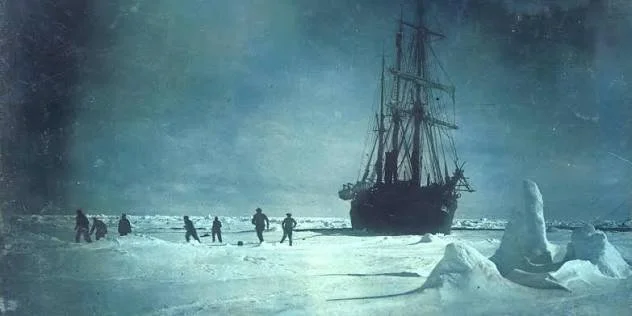
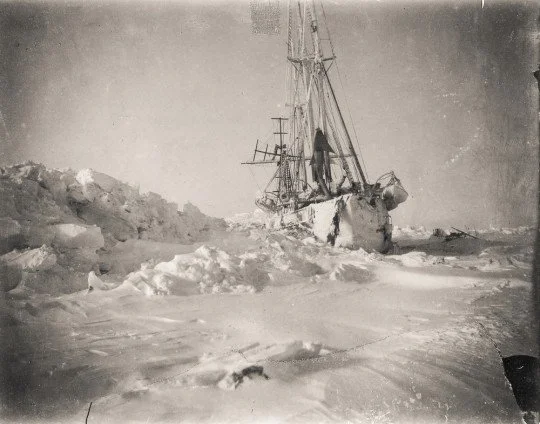
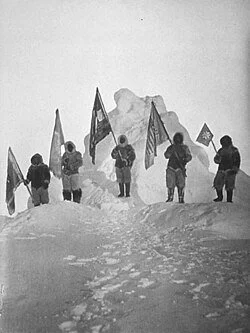
1893–96. Nansen freezes the Fram into the pack ice on purpose and lets the current carry it. The idea: stop fighting the ice and travel with it. His diary keeps everything the heroic version edits out: the beauty of the polar night, ice thundering around the hull, months of monotony that wring the soul, doubt about the whole undertaking. His publisher printed Nansen’s coloured sketches as evidence of real Arctic colour, while Nansen himself claimed no artistic ambition.
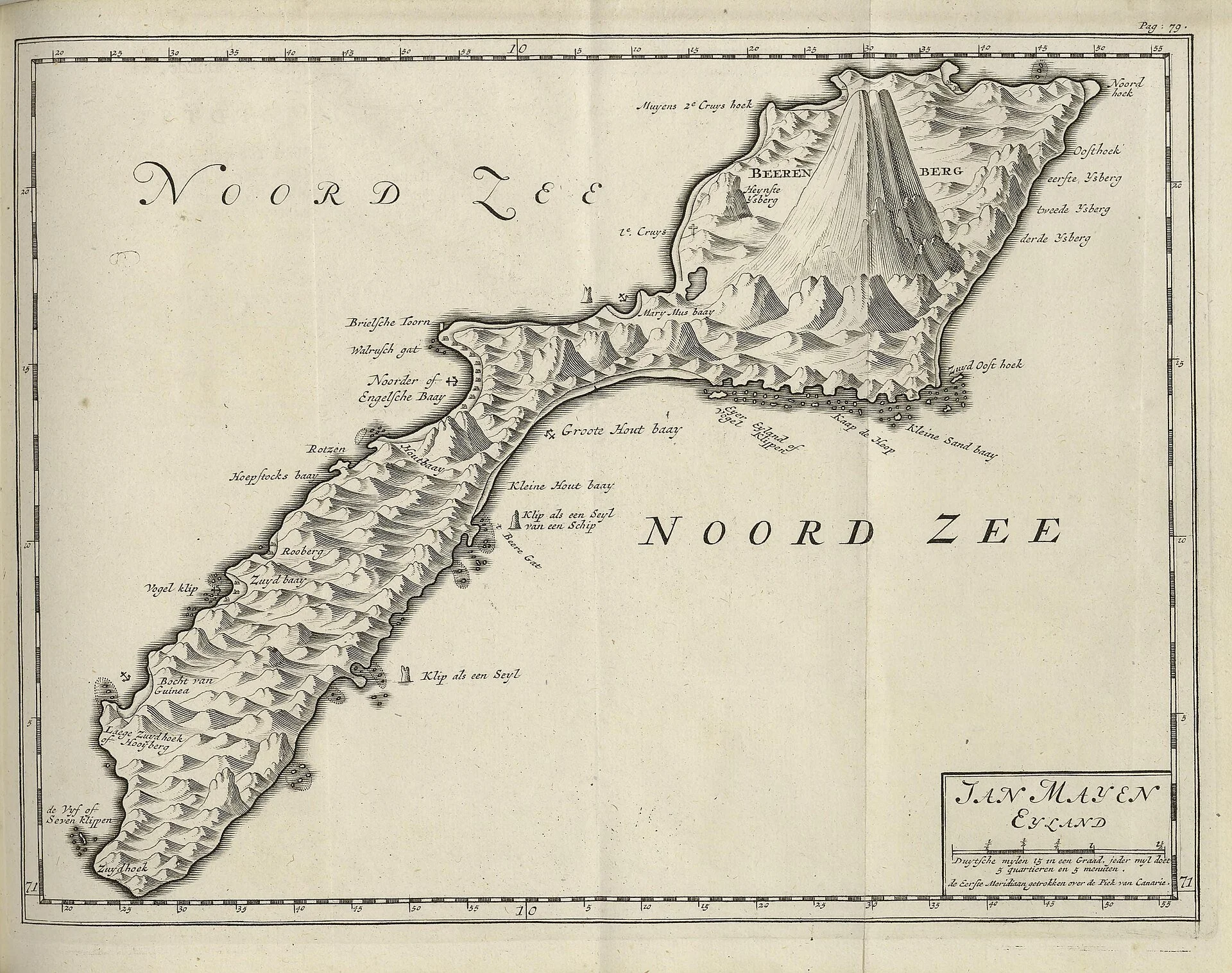
1934–35. Christiane Ritter, a Viennese painter and housewife, overwinters in a hunters’ hut at Gråhuken on Svalbard’s north coast, the first central European woman to do so. On arrival she privately calls it a ghastly country: water, fog, rain. Then come 132 days of polar night. She listens to silence, paints, and finds her hunger for the music of Vienna simply gone. The darkness tests her mind too; the hunters keep her indoors when the full moon pulls her towards the shore. By the end of the year, the alien place is loved. Her watercolours are now held by Svalbard Museum in Longyearbyen. Her conclusion still stands: the Arctic gives back only what we bring to it.
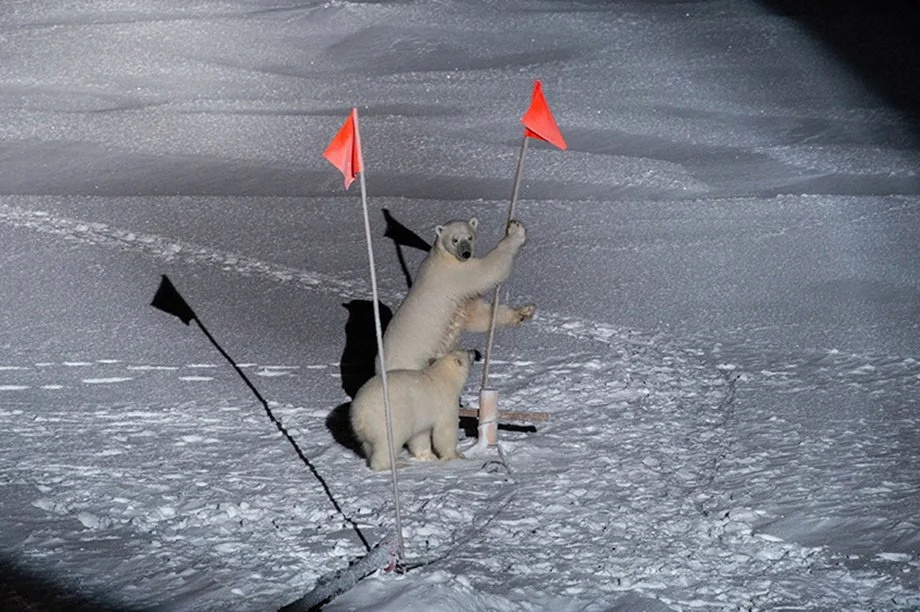
2022. Thirty-four Arctic nature-guide students spend eight days on a glacier course on Svalbard, sleeping in tents guarded against polar bears. Asked afterwards for their strongest moment, they write about a bear failing to catch a seal, a glacier calving, night watches in silent twilight, two Arctic foxes coming close without fear. Wonder comes up again and again. From fighting against nature to fighting for it.



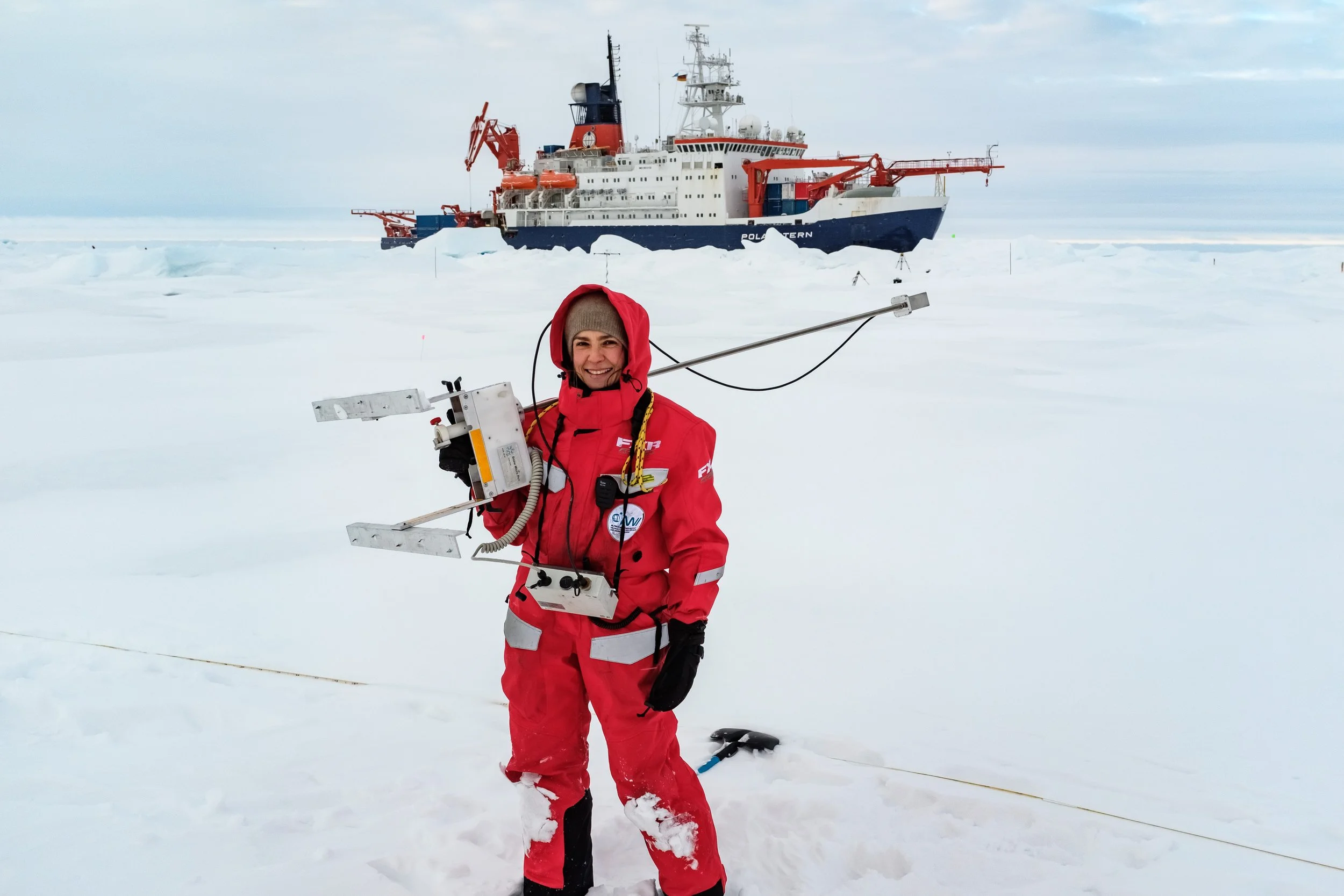
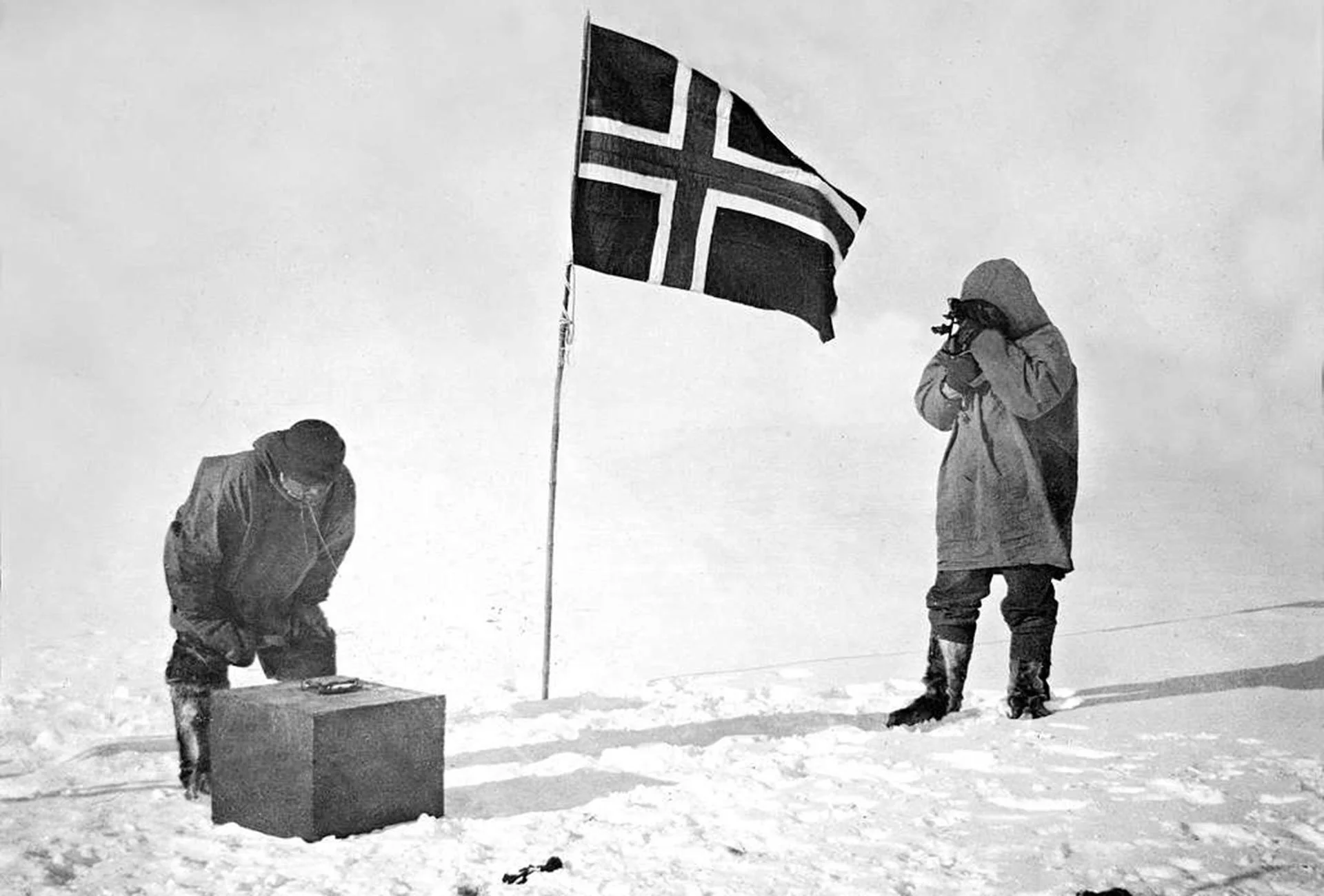
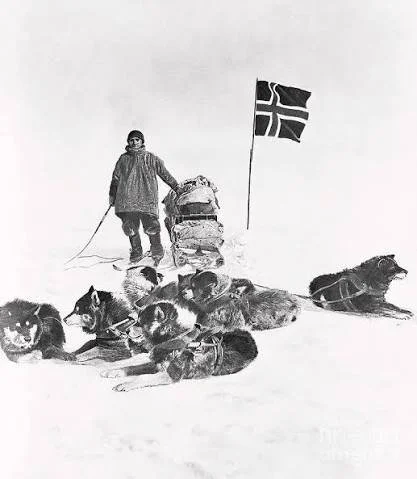
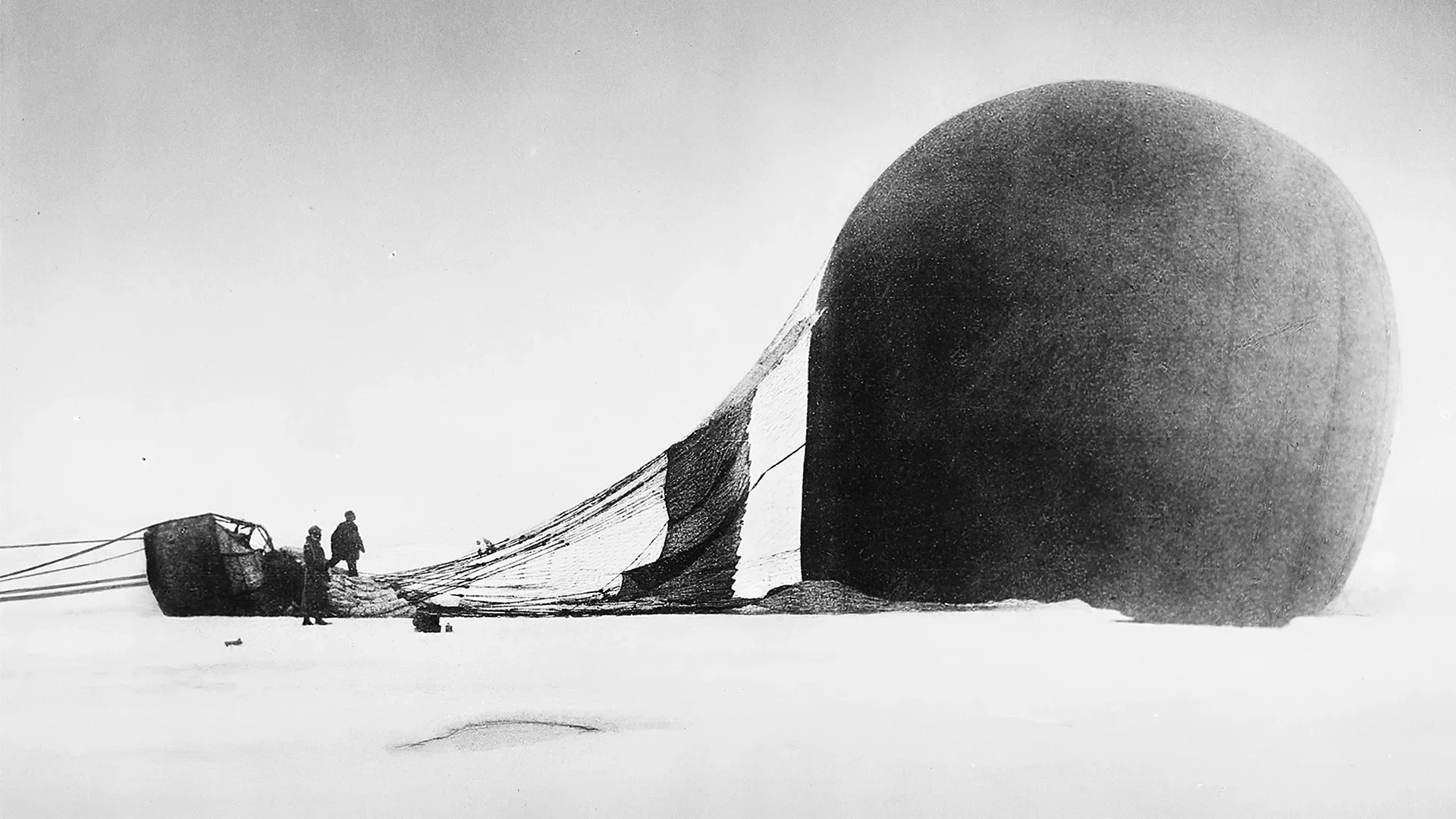
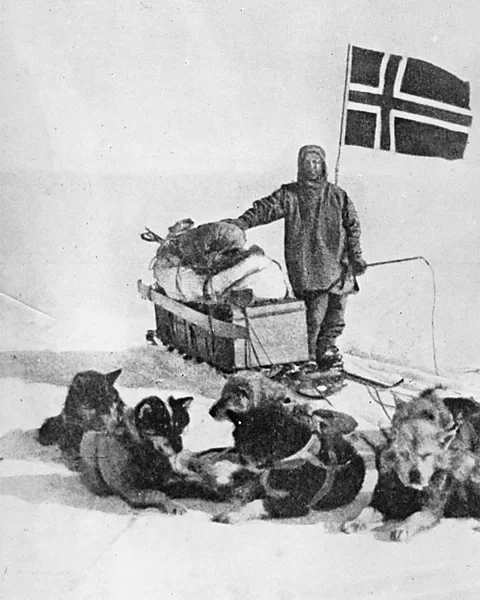
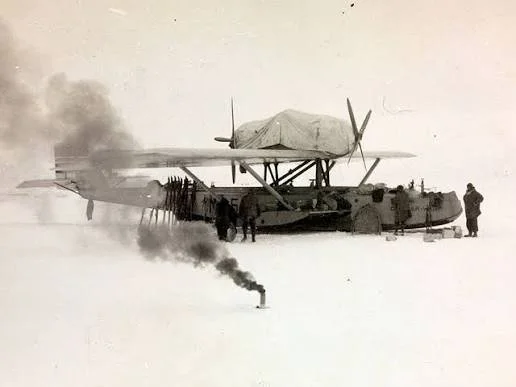
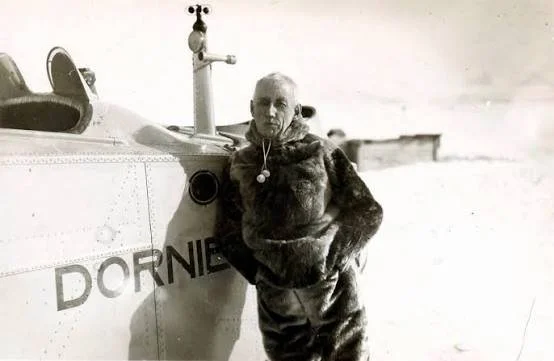
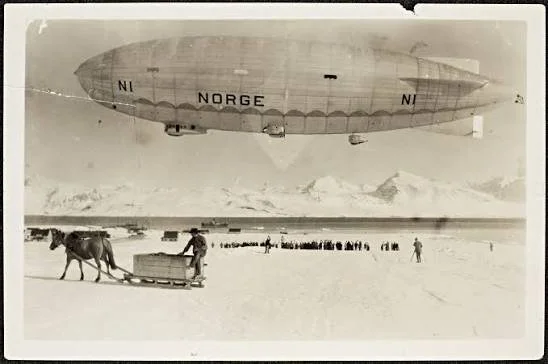
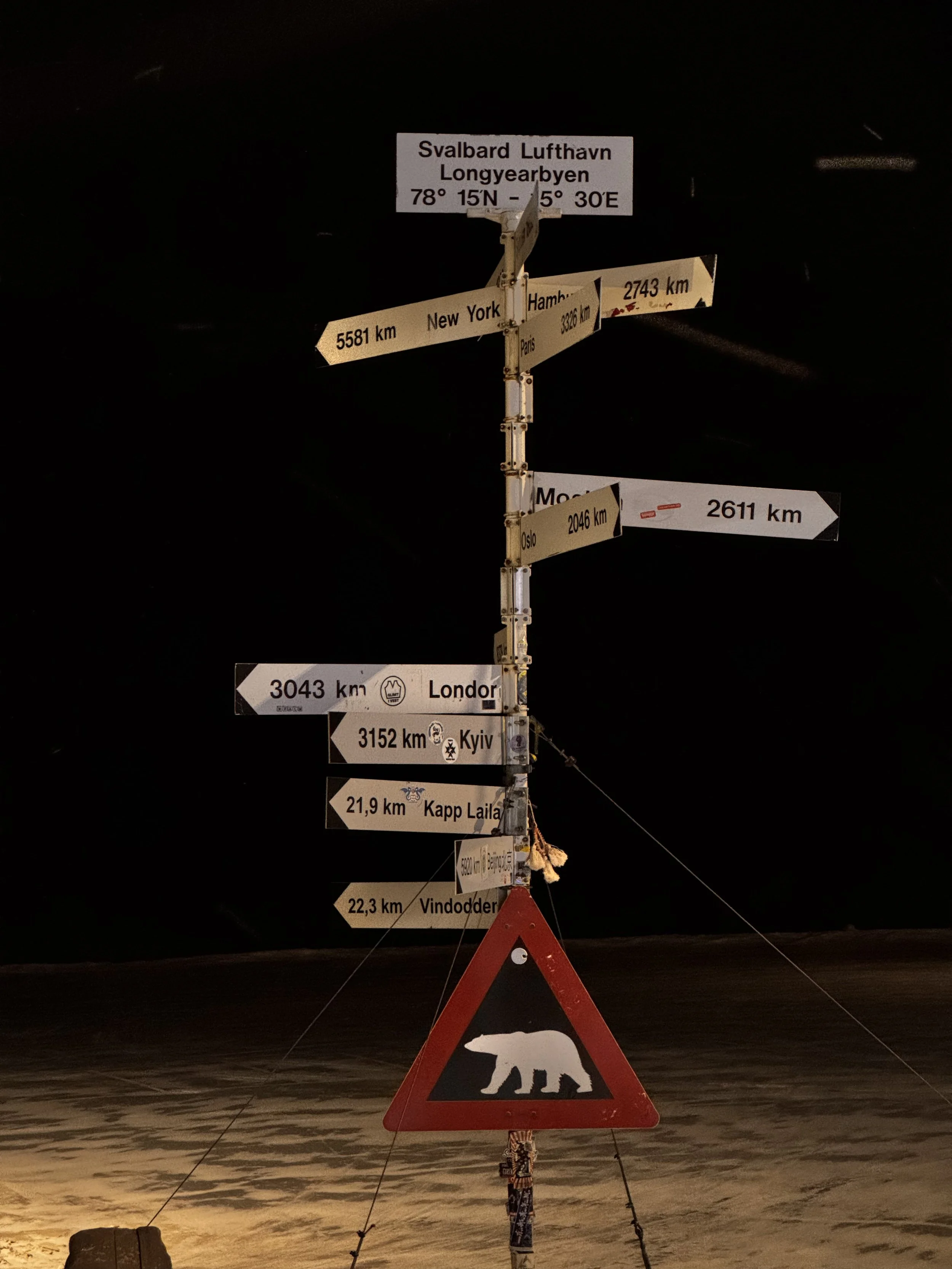
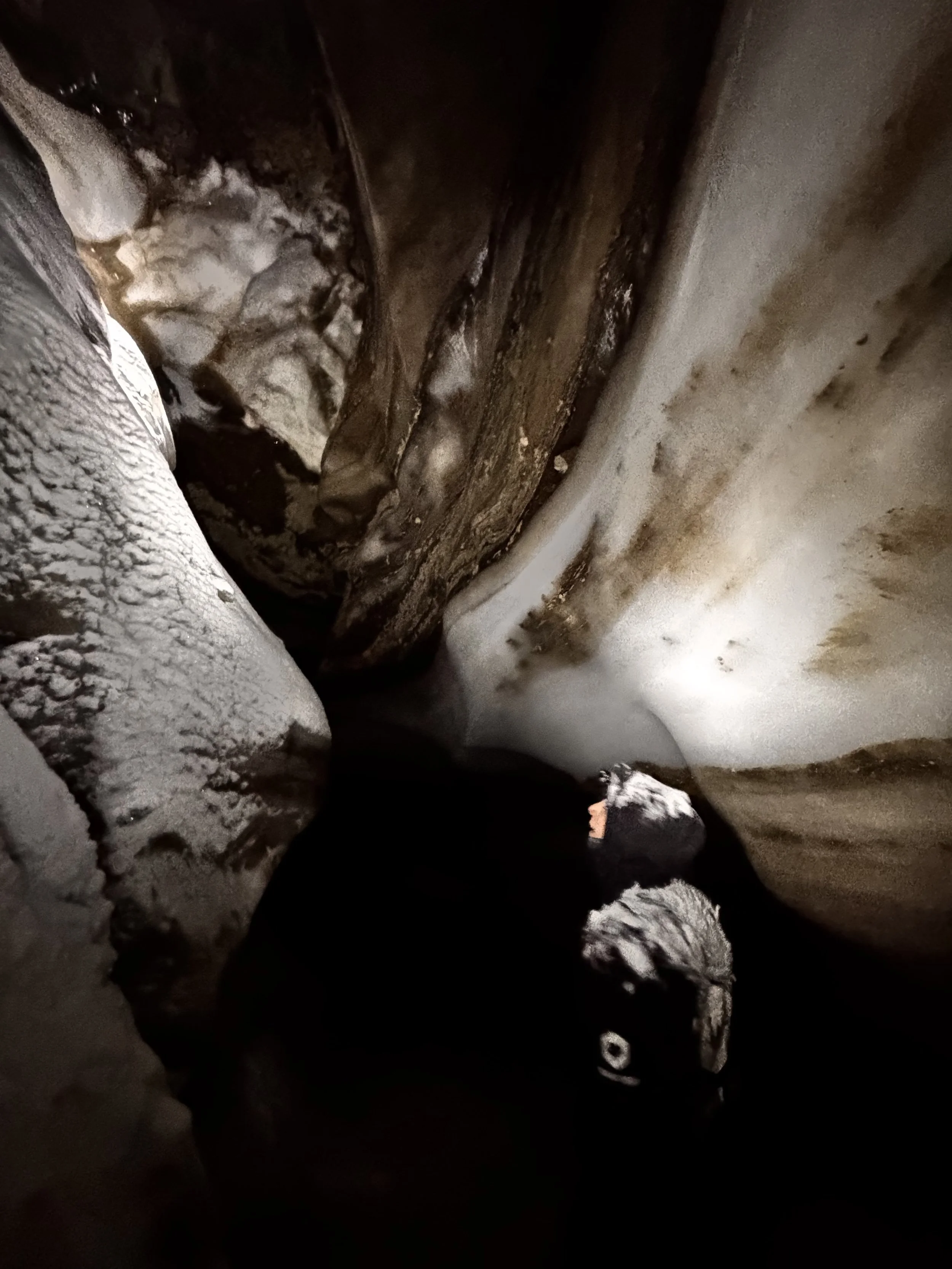
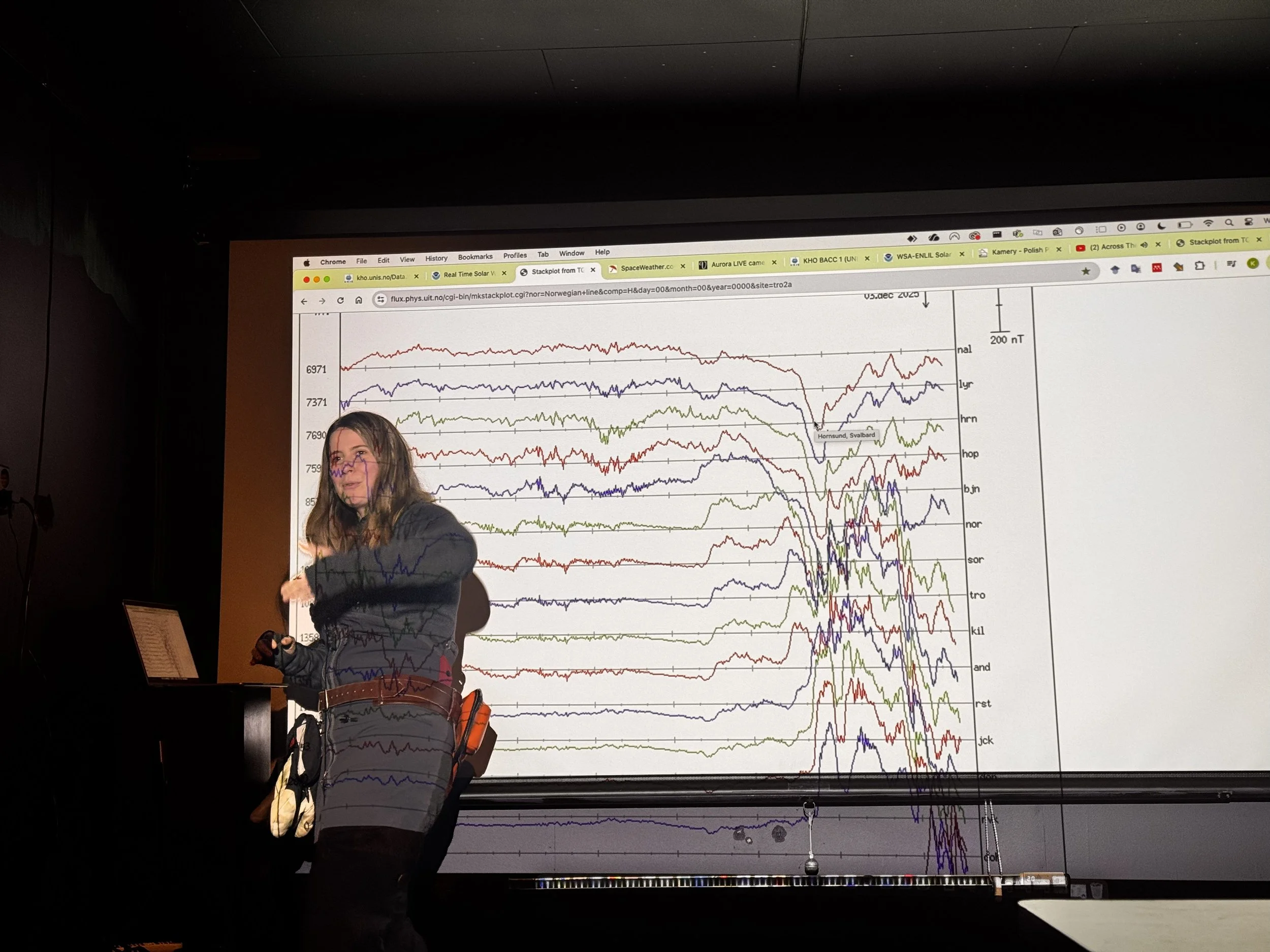
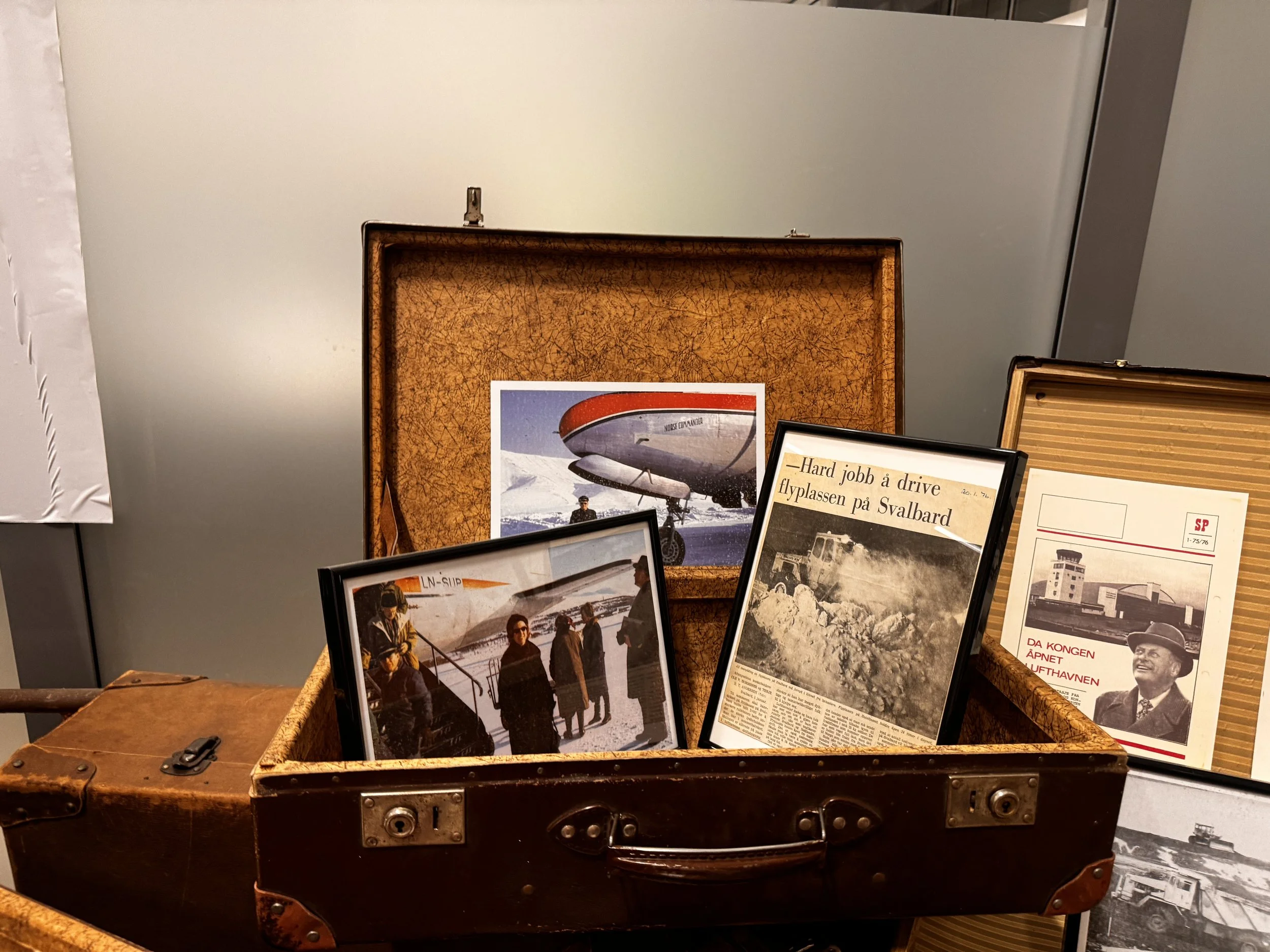
Documenting sky colours for the last 14 years
Why meI hunt colour. For my practice, I hunt unique colour combinations that can be found in the womb of nature only. I’ve done more than 300 hikes in Cyprus to find the perfect shades of green and misty blue of the high-altitude mountains. I was always proud of my ability to detect shades of colour.
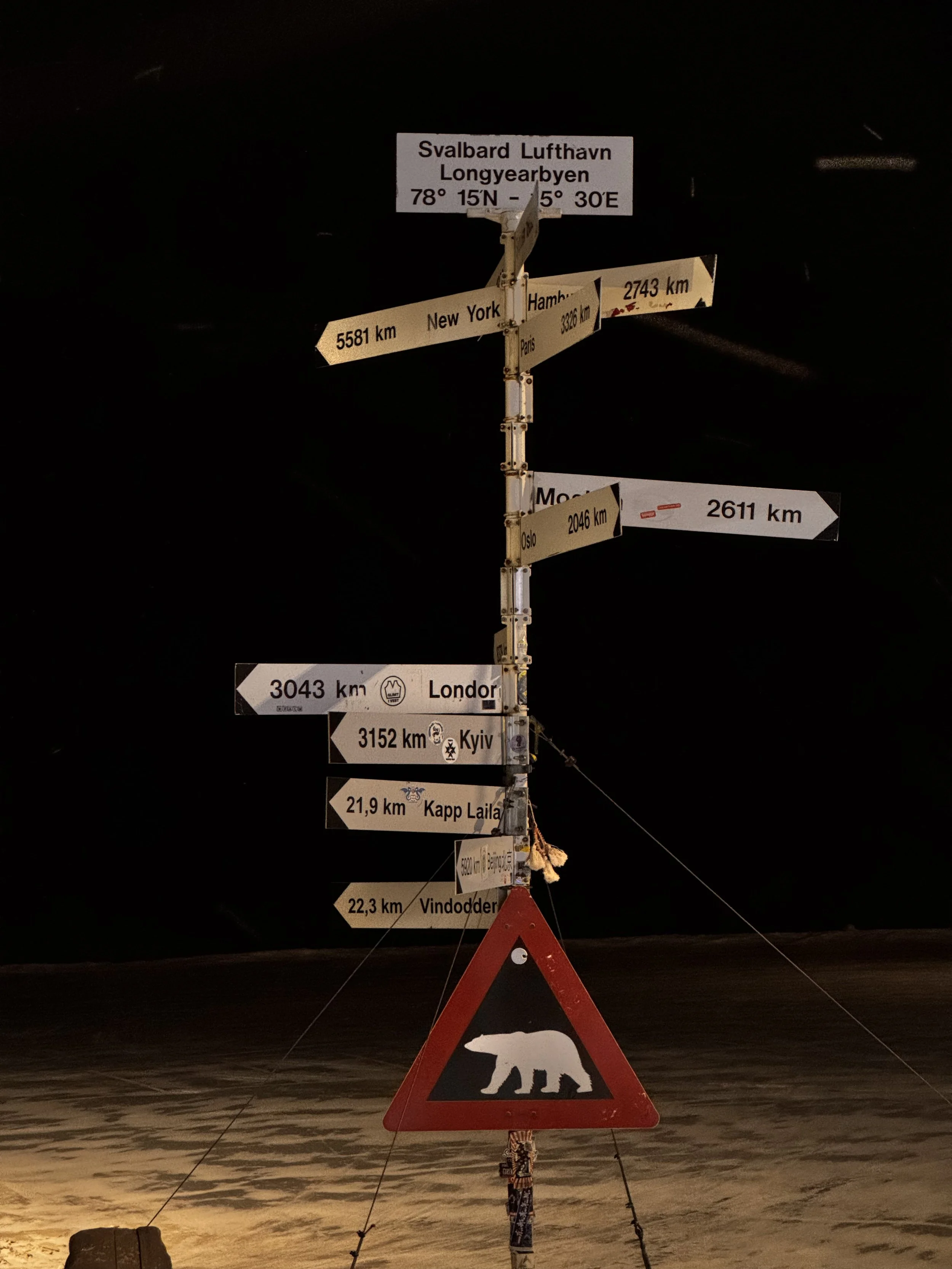
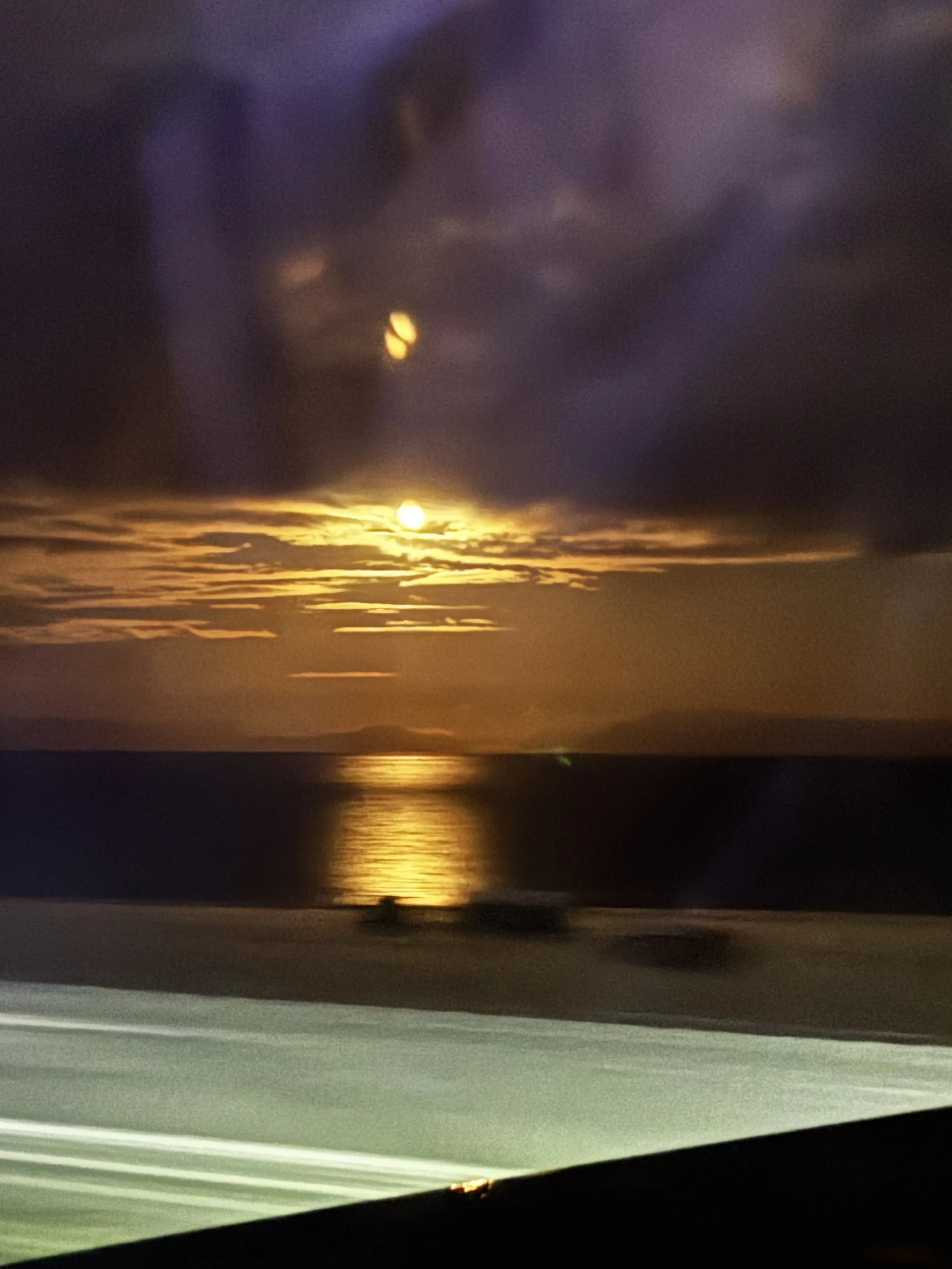
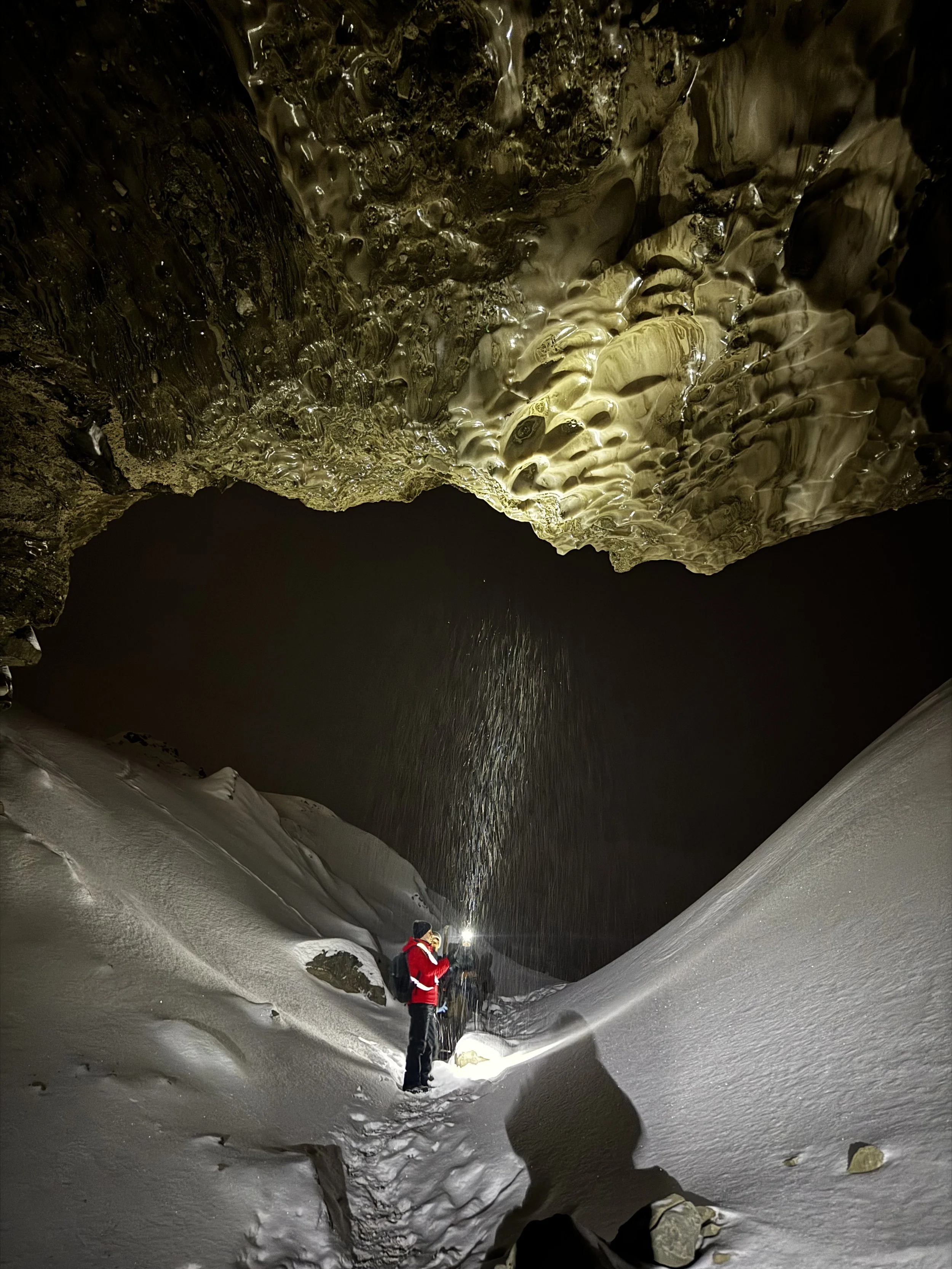
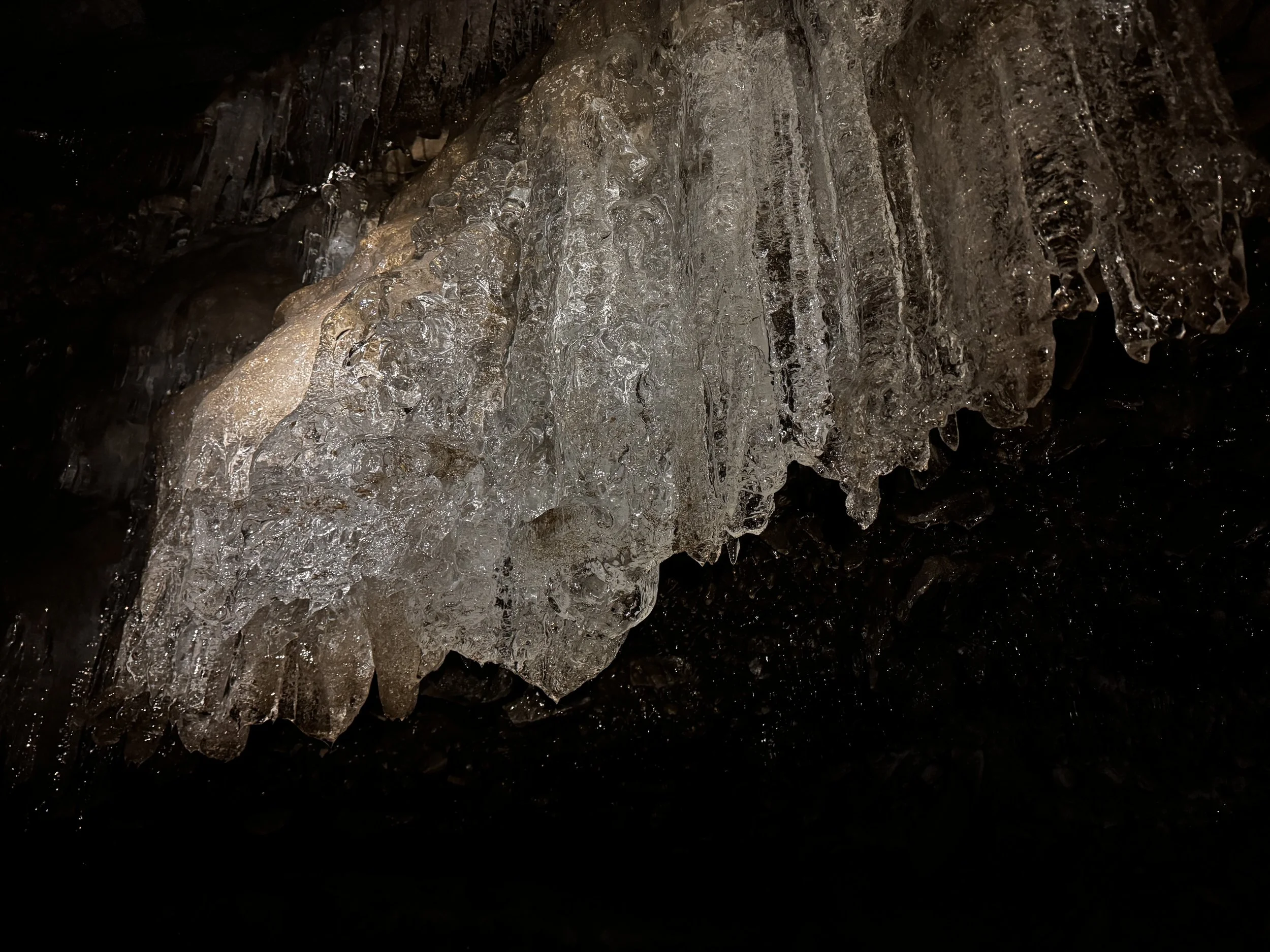
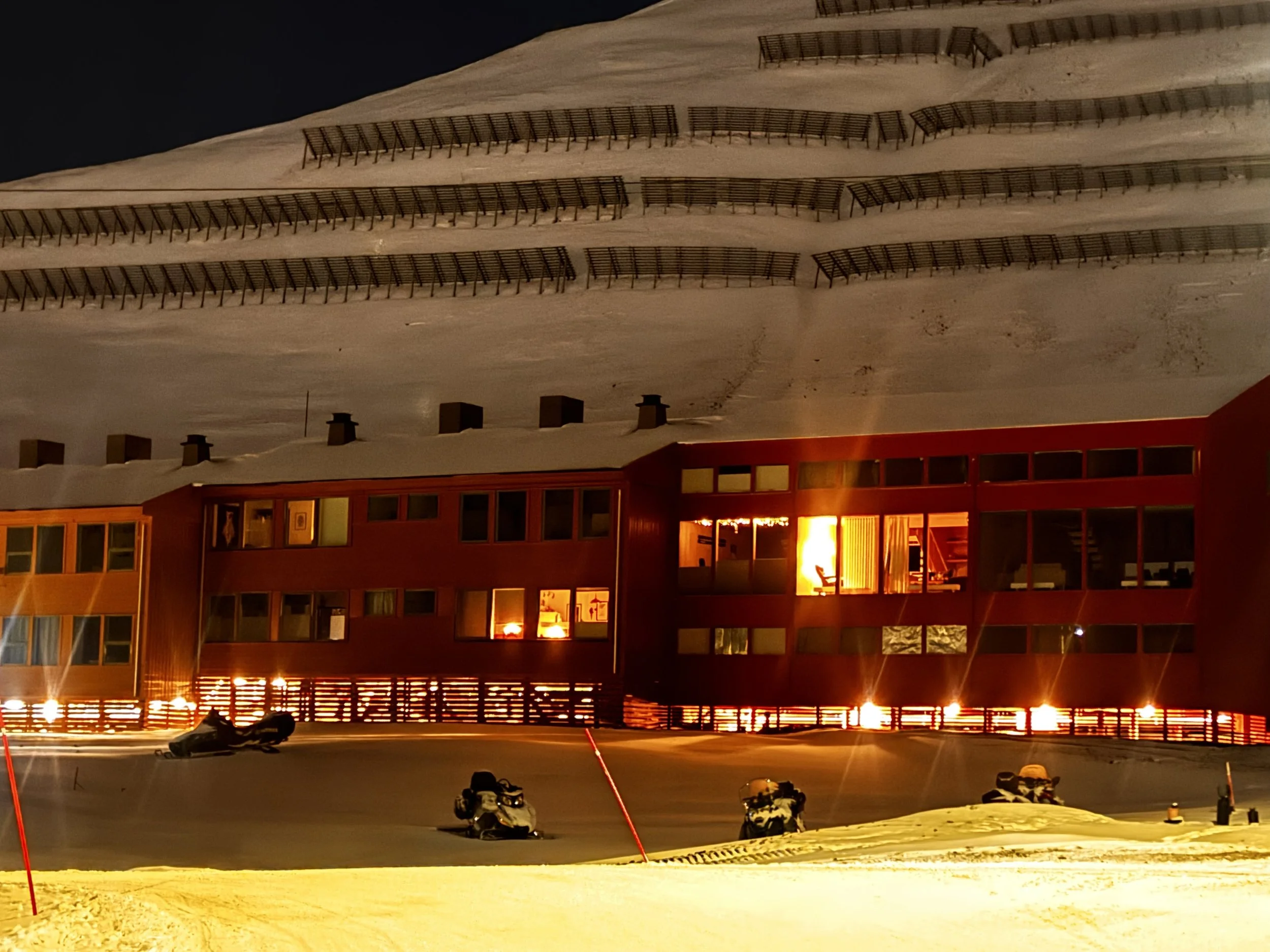
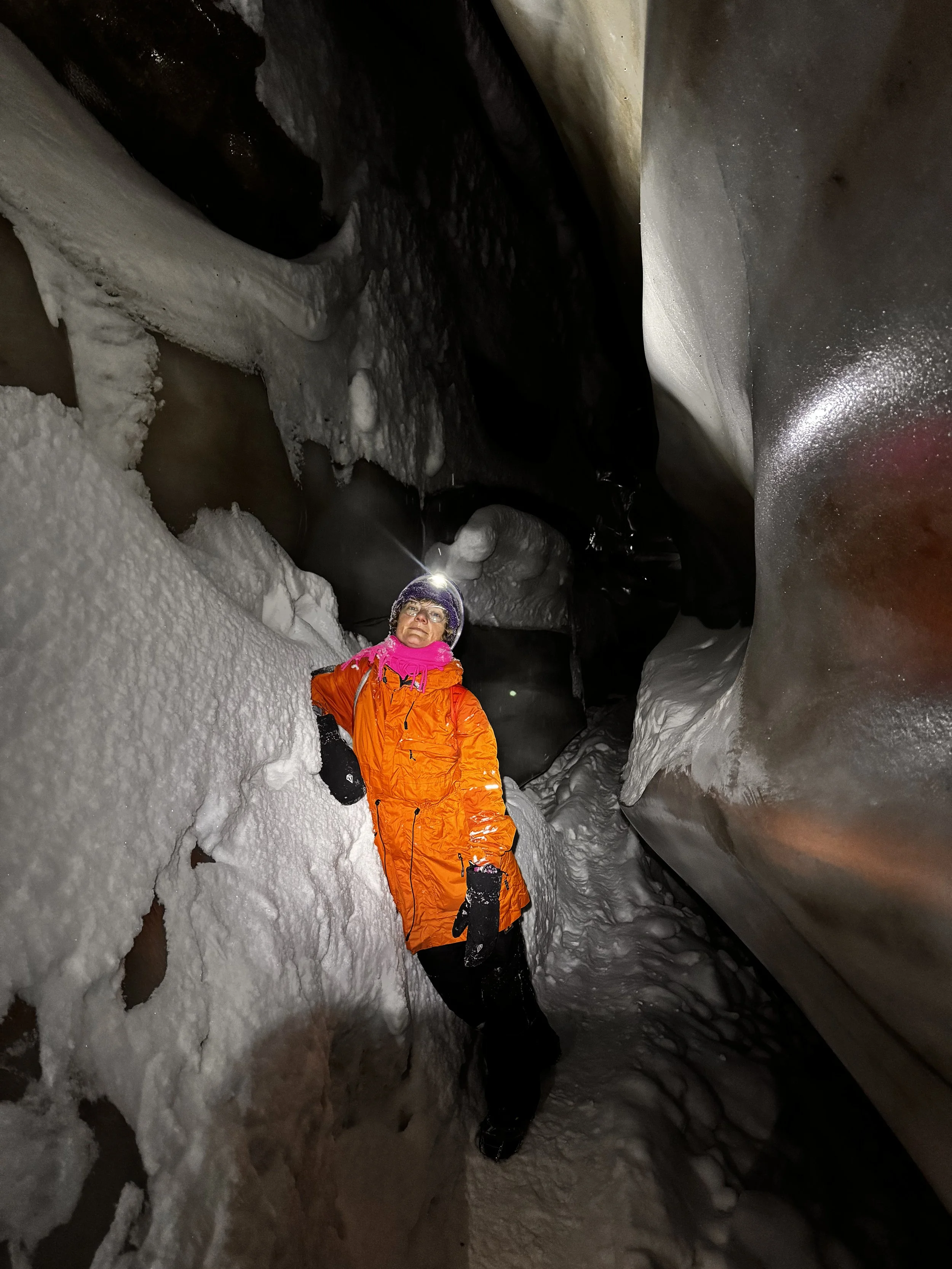
I’ve already met the Arctic in the dark. In 2025 I stayed for two weeks during the polar night at the Spitsbergen Artist Center. While moving further from light, I discovered colourful darkness. I collected shades of black, Snowy Umbra Sky, Golden Orange Moon Halo, Cobalt Sage Blue Purple Snowy Sky, and painted a series in black with no black colours used. To the 130 shades of black, I added my own. My work is now in the Svalbard Library in Longyearbyen.
I’ve done this before, for UNESCO. In 2022 I represented Ukraine at the UNESCO Art Camp in Malta, working closely with 23 artists from Middle Eastern and EU countries. I collected stories of migration through interviews and expressed them in the language of colours. My diptych Seeds of Culture was acquired by UNESCO Malta, and in 2024 it was presented to diplomatic delegations at UNESCO headquarters in Paris.
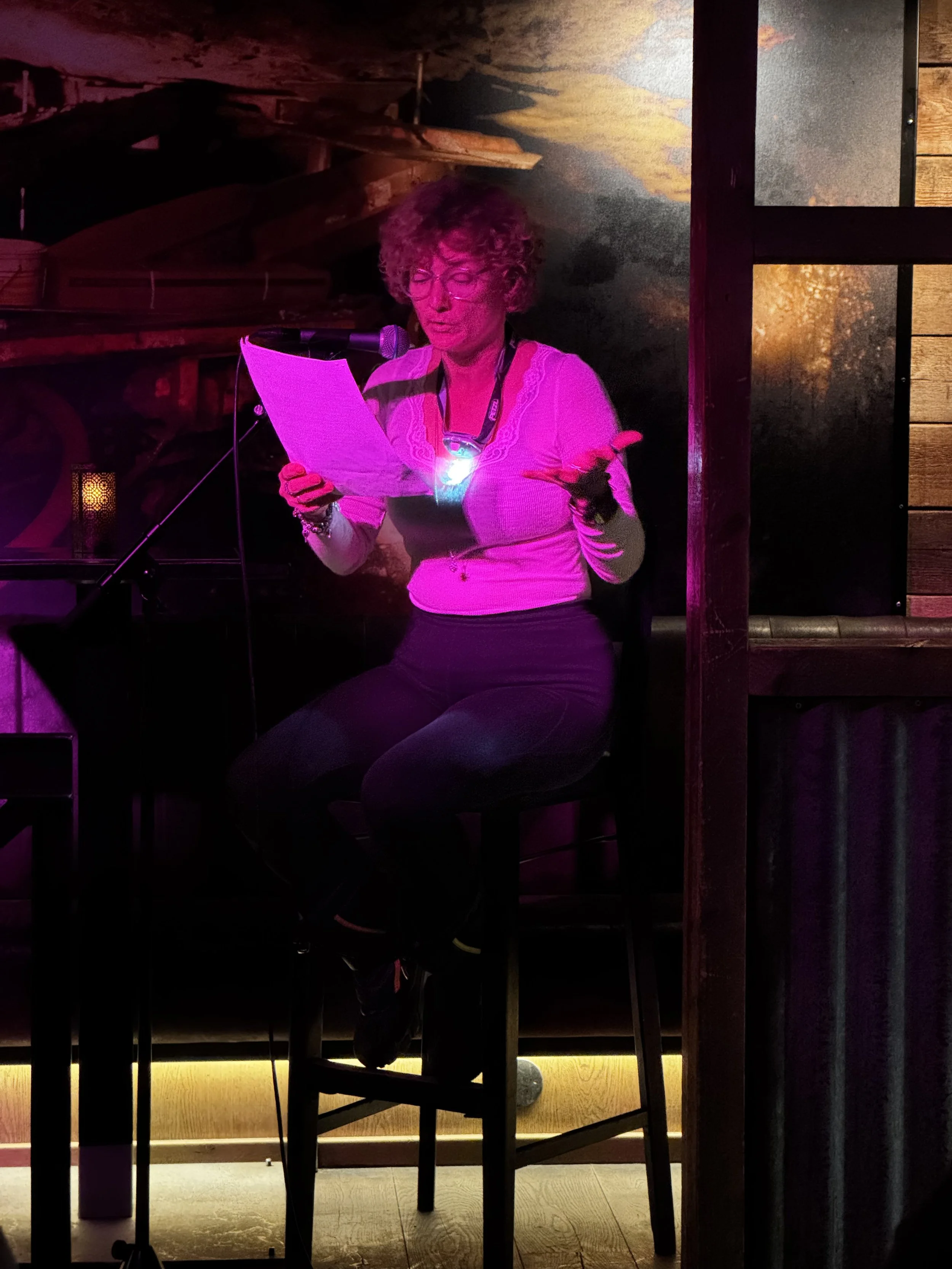
I work with people’s stories. As an artist, I get inspiration from people and their stories of transformation, change and insight. Since 2022, I have facilitated flow-state workshops with displaced Ukrainians and STEM professionals.
I think in systems and paint by intuition. Before turning to painting, I trained in applied systems analysis. That background remains present in the structure of my practice, in the tension between analytical rigour and intuitive action.
I know we change what we watch. In our attempt to observe wilderness, we change it, just like the observer effect changes the behaviour of a particle in physics. We are responsible for what we leave to the generations to come. We don’t have an asteroid as an excuse.
Partners of the project
With their help this research is possible.

Fram-Equipment - the best outdoor gear for your next outdoor adventure. Proudly made in Ukraine 🇺🇦
Support the project
Every patron gets a gift from the expedition - a digital postcard with a unique colour shade.

Sample photo of the book previously published