
April 2027
Art Research & Expedition to the High Arctic
Questioning Awe
How the wild High Arctic colours impact changes in self-perception, psychological well-being, and understanding of meaning
Two years of research on how Arctic colours change people who saw them
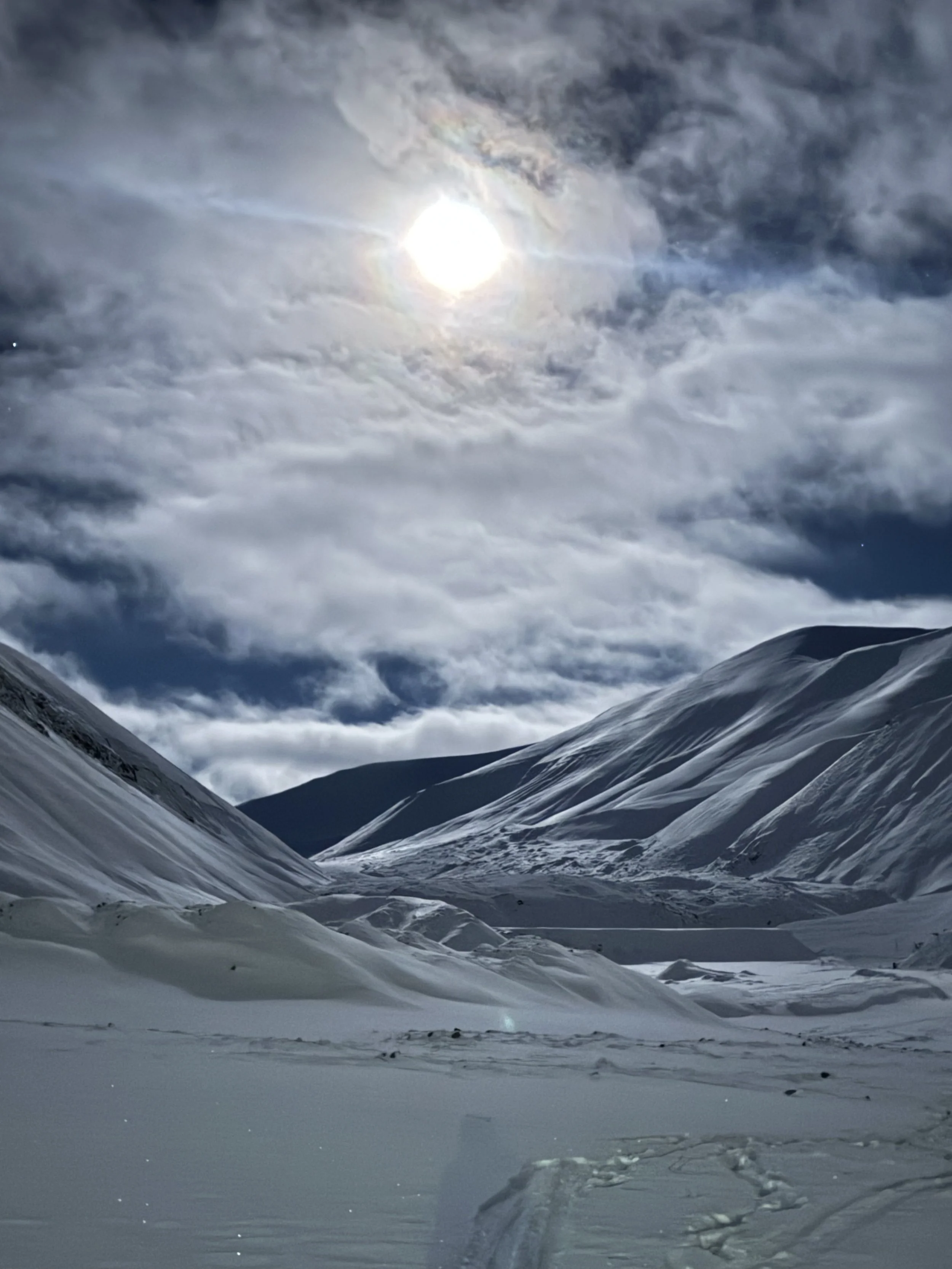
What is Questioning Awe is AboutPure, crispy shades of white, purple, blue and pink that can’t be found anywhere else.
In 2027, I am preparing to sail through Svalbard with the Arctic Circle: a jury-selected expedition residency, 17 days aboard an ice-class schooner. My task is to find unique vanishing colours, name them, and bring them home. Document how long-term exposure to the world's wild beauty changes people: their beliefs, self-perception, and the questions they ask themselves.
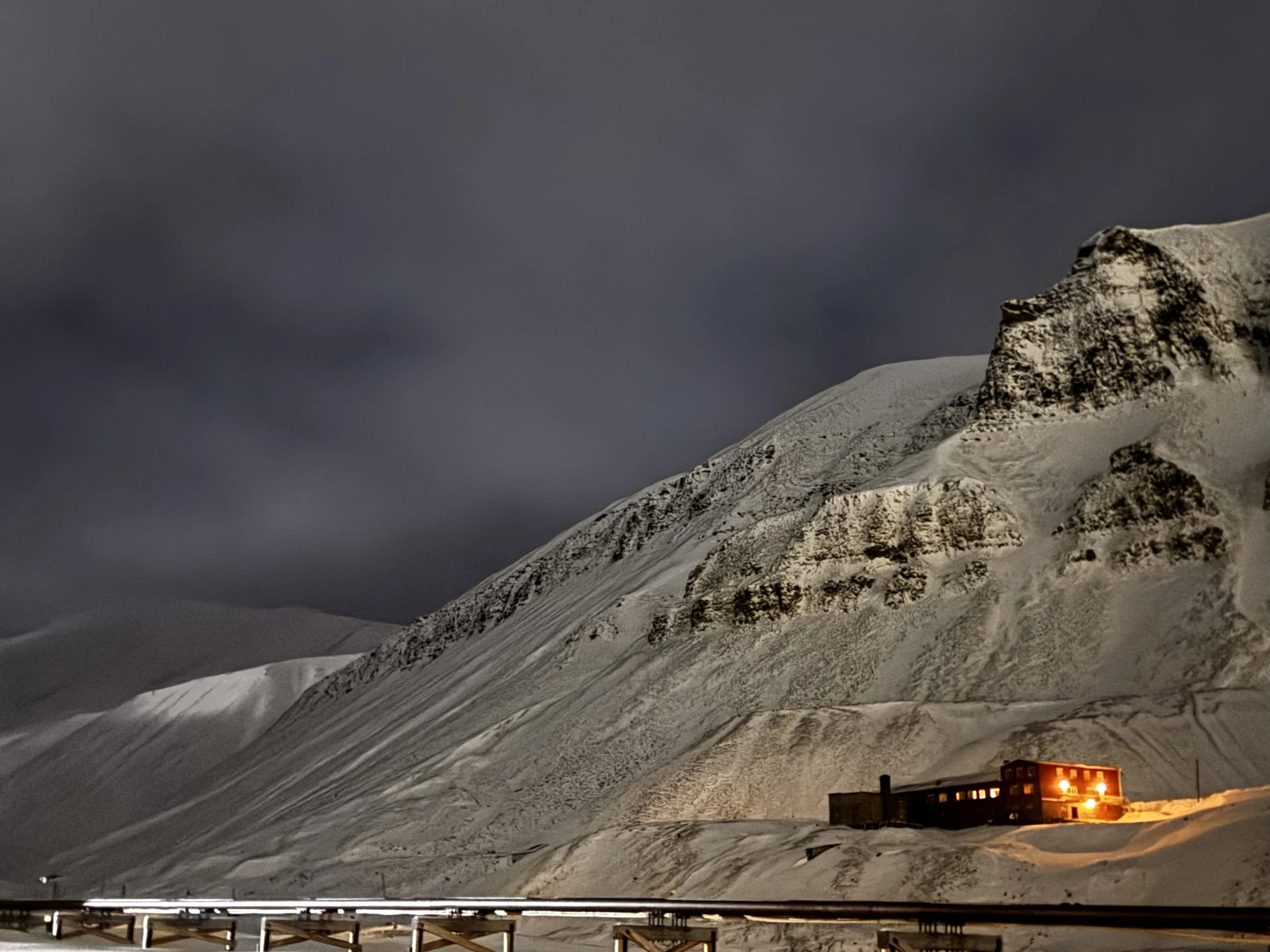
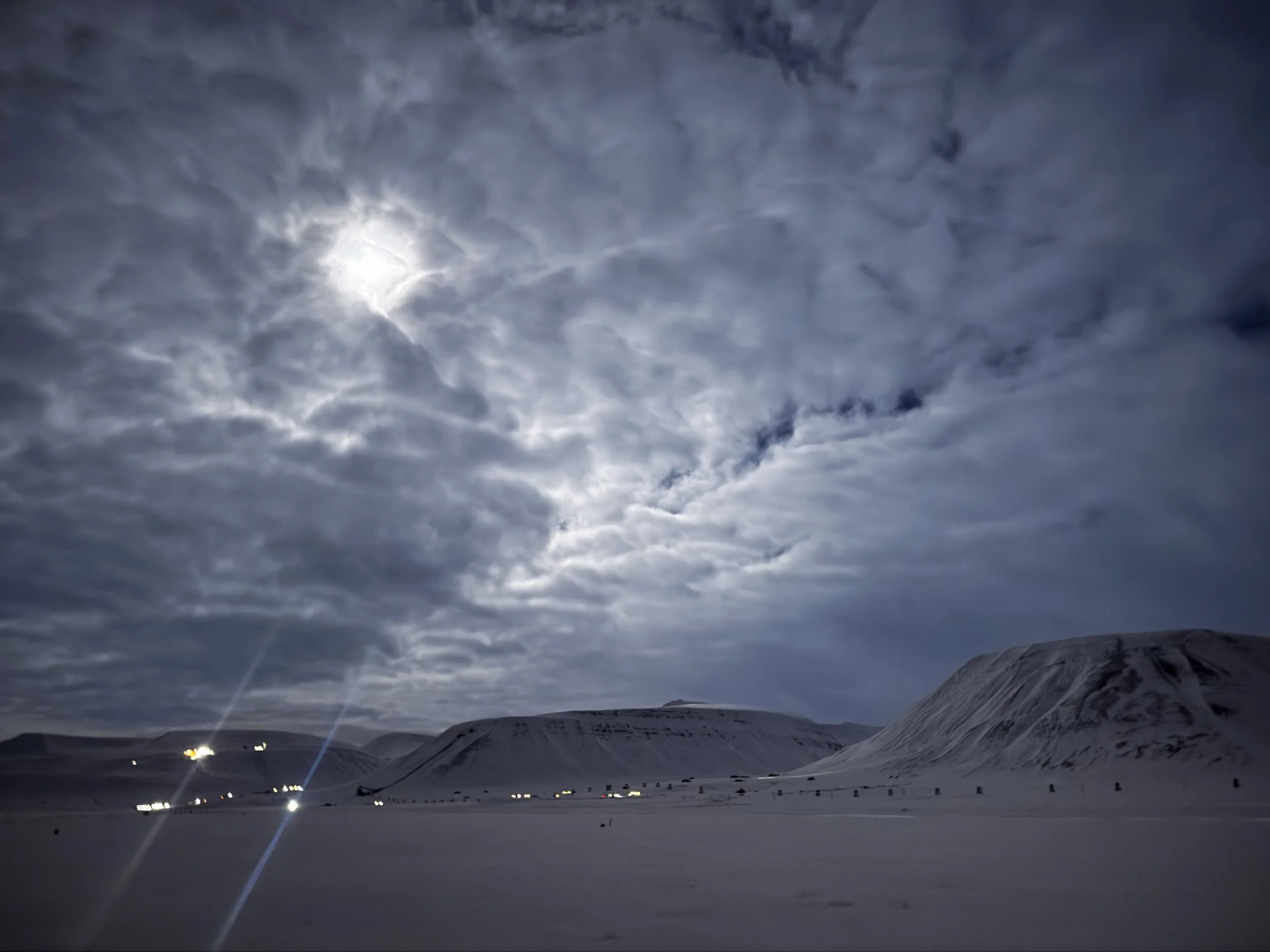
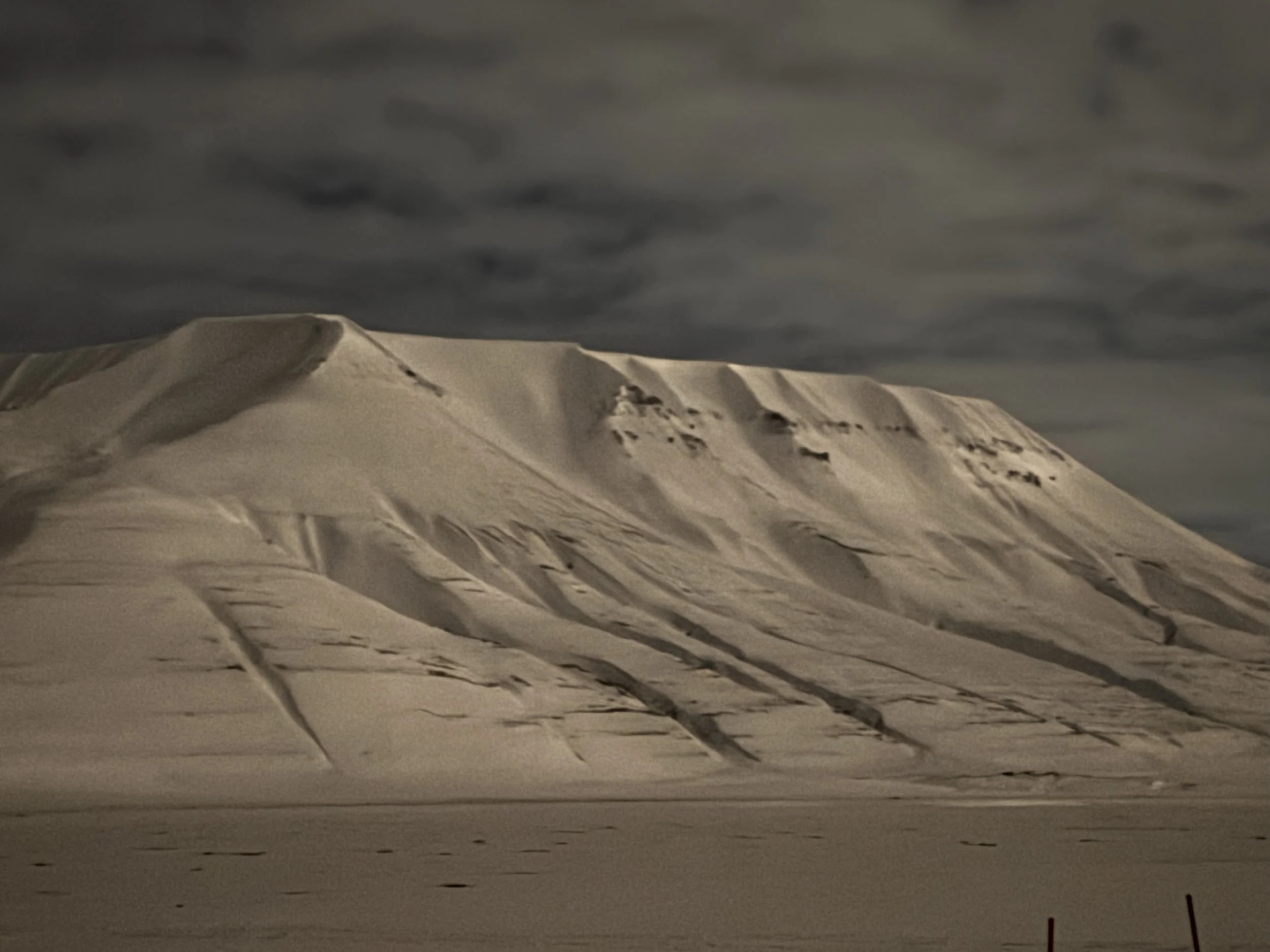
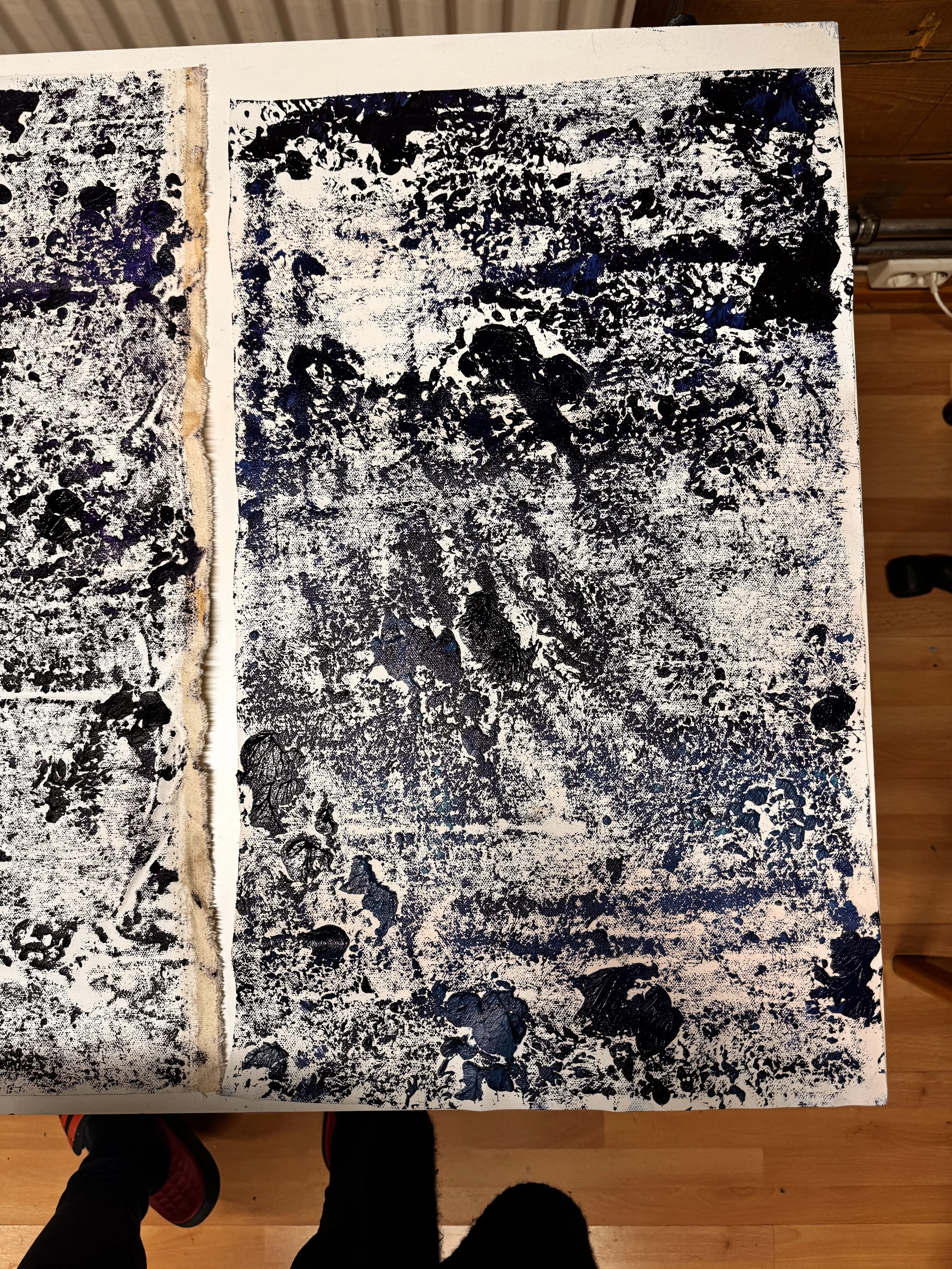
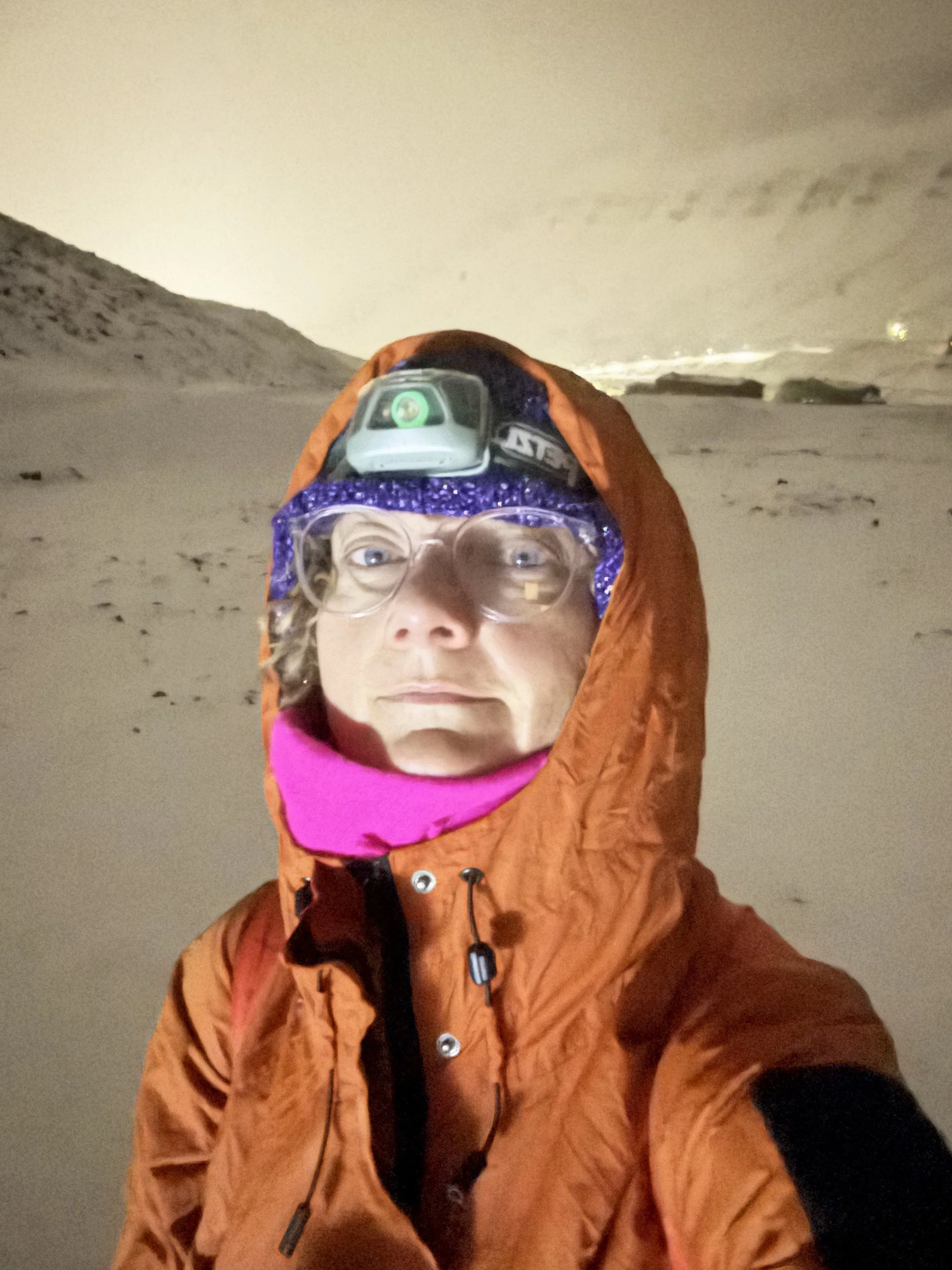
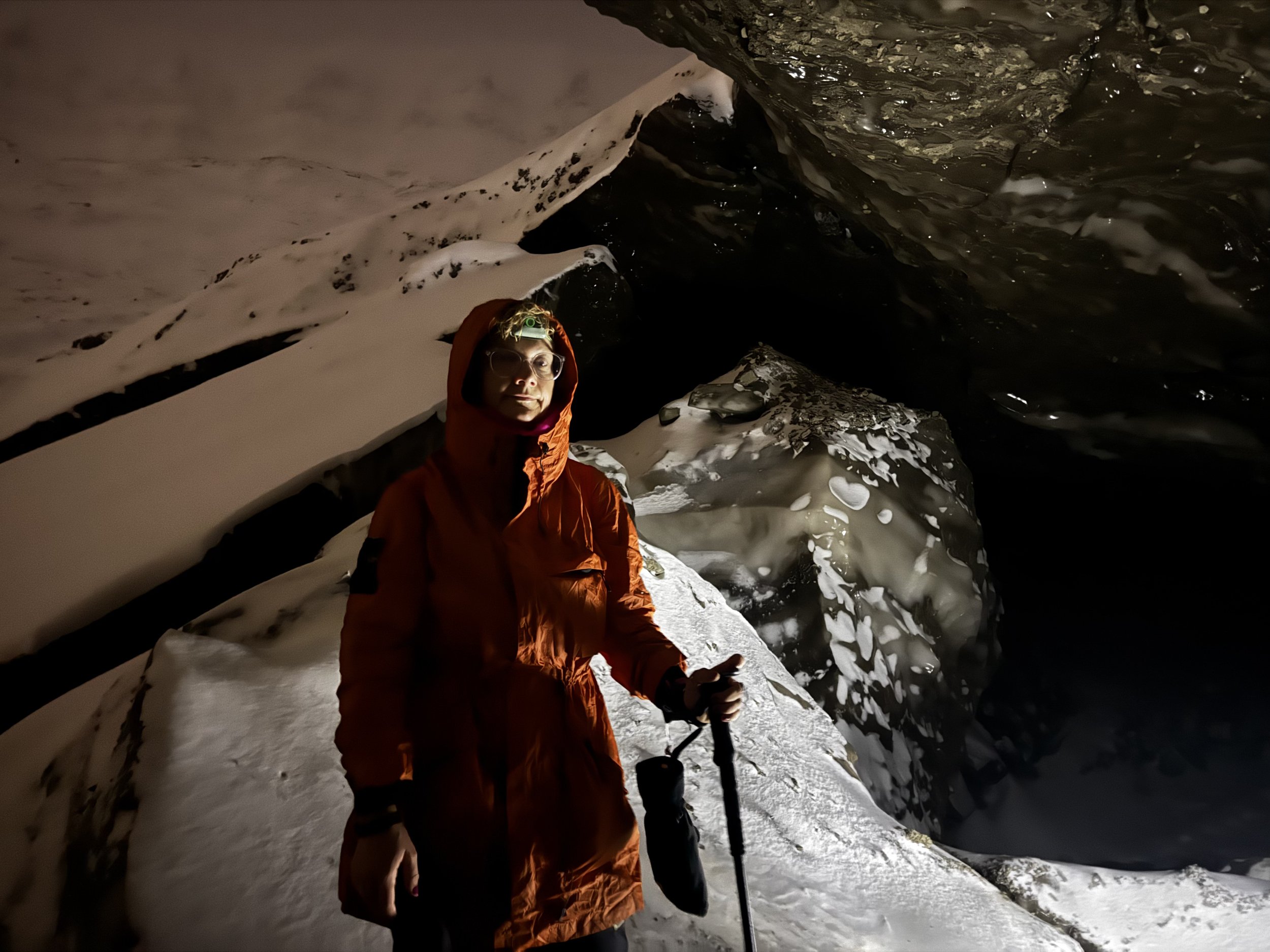
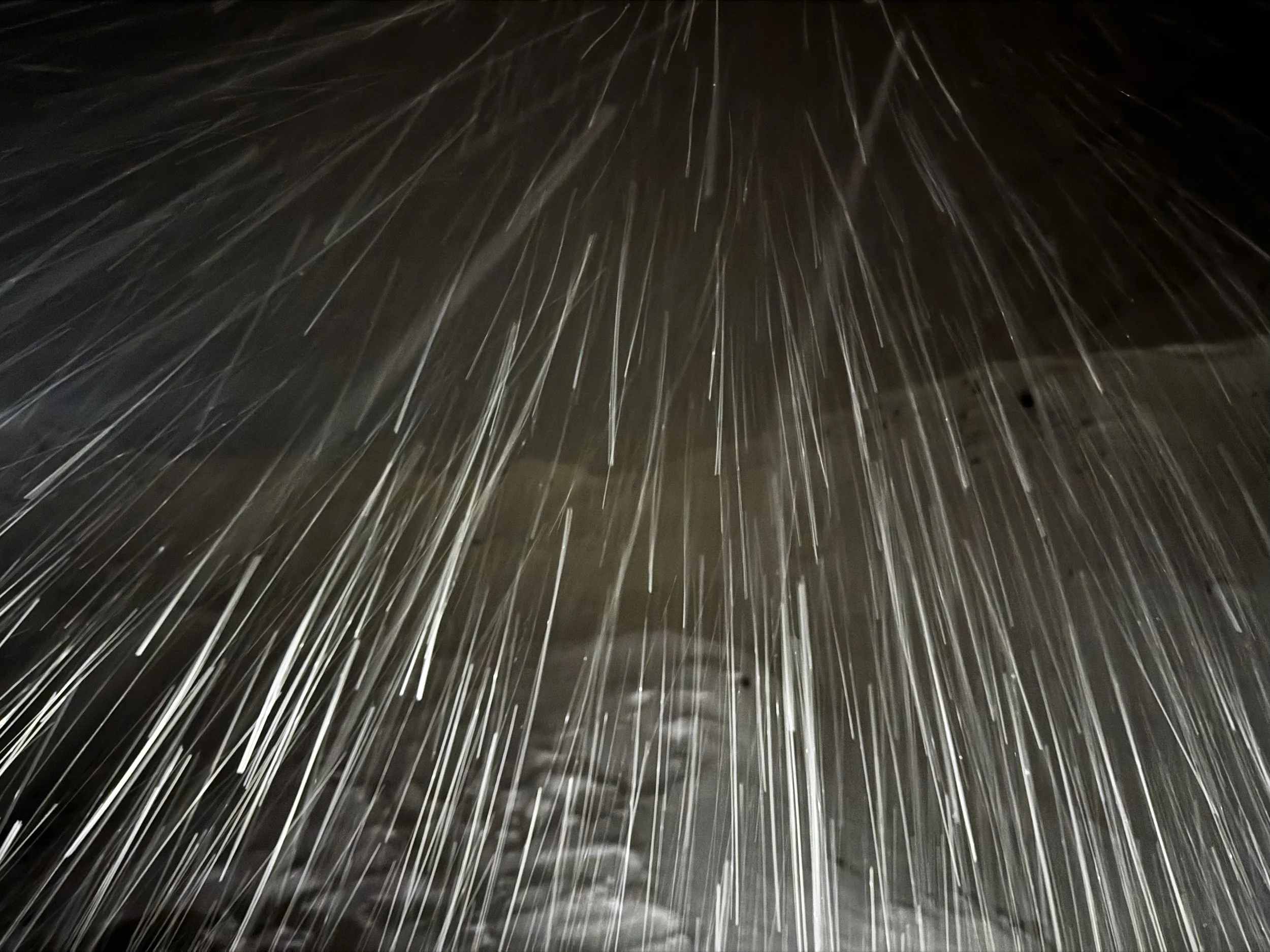
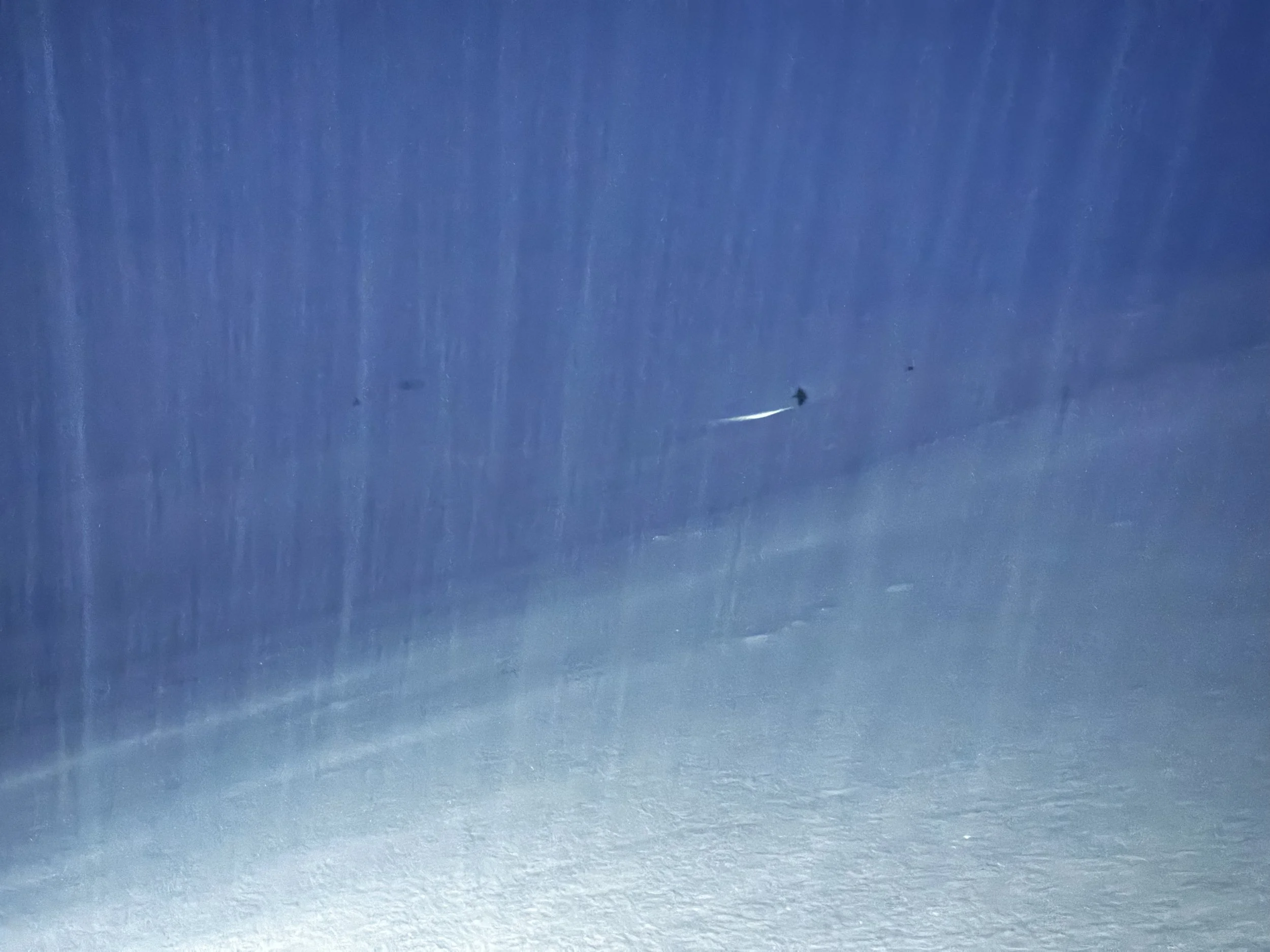
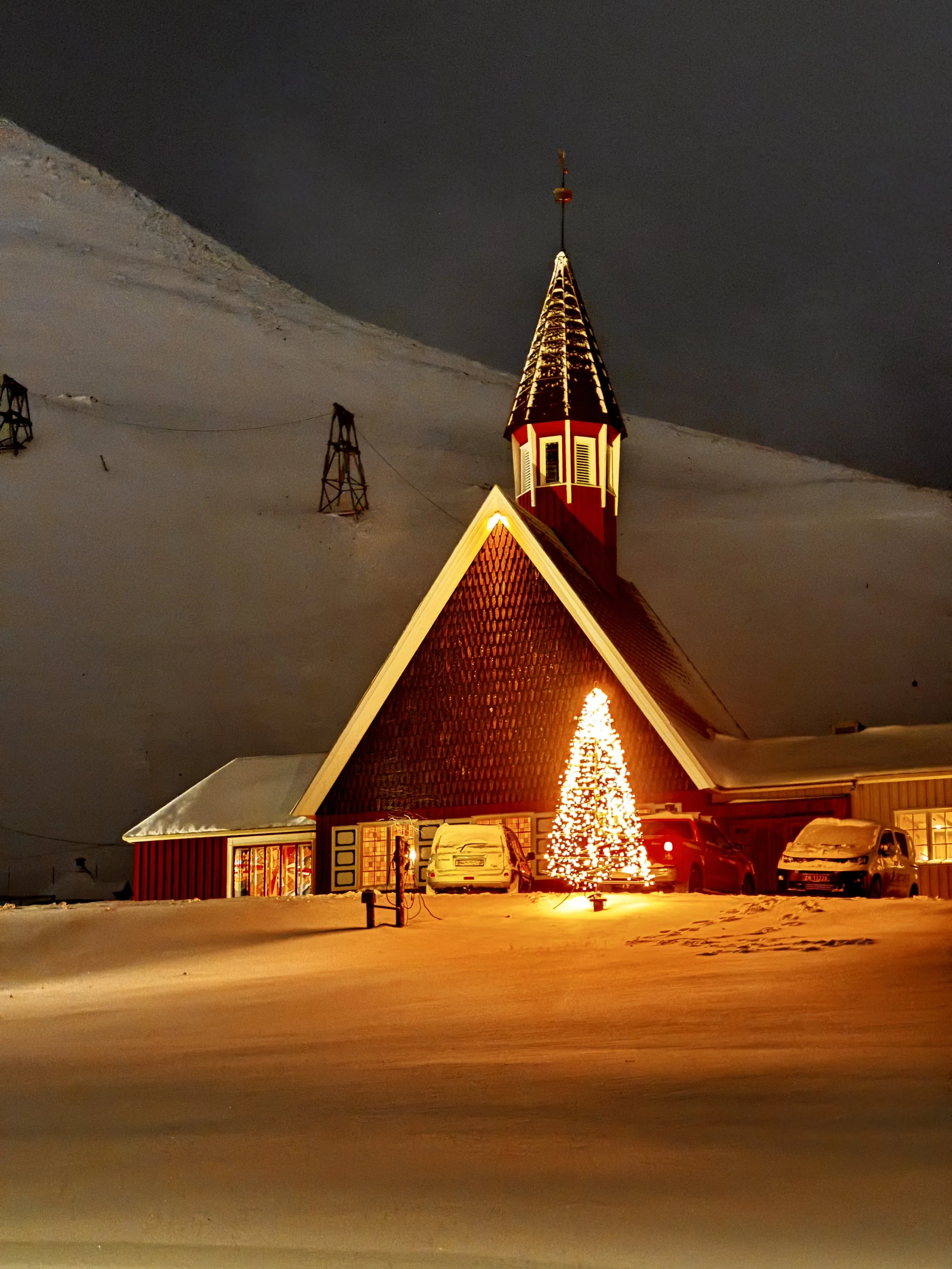
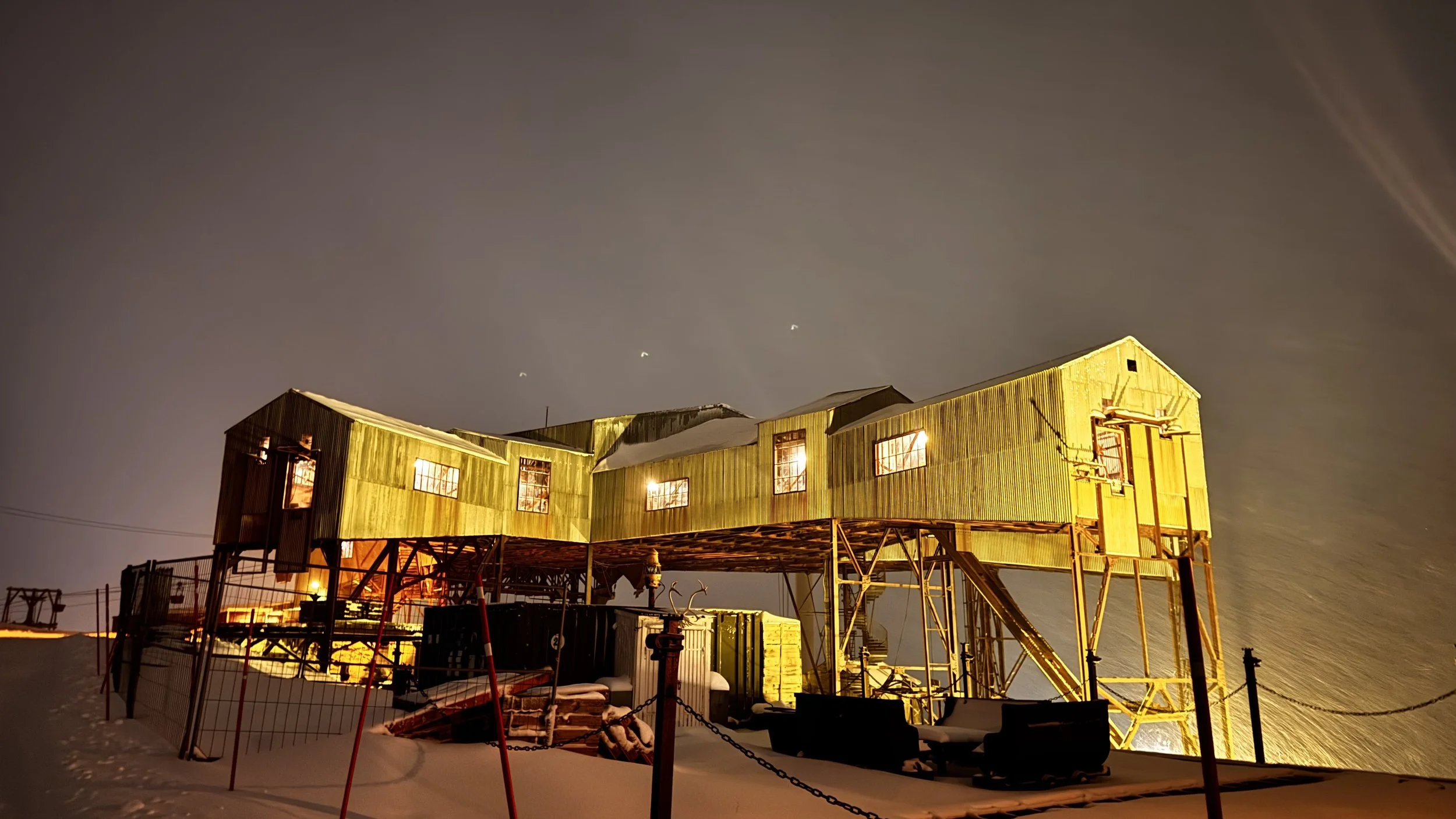
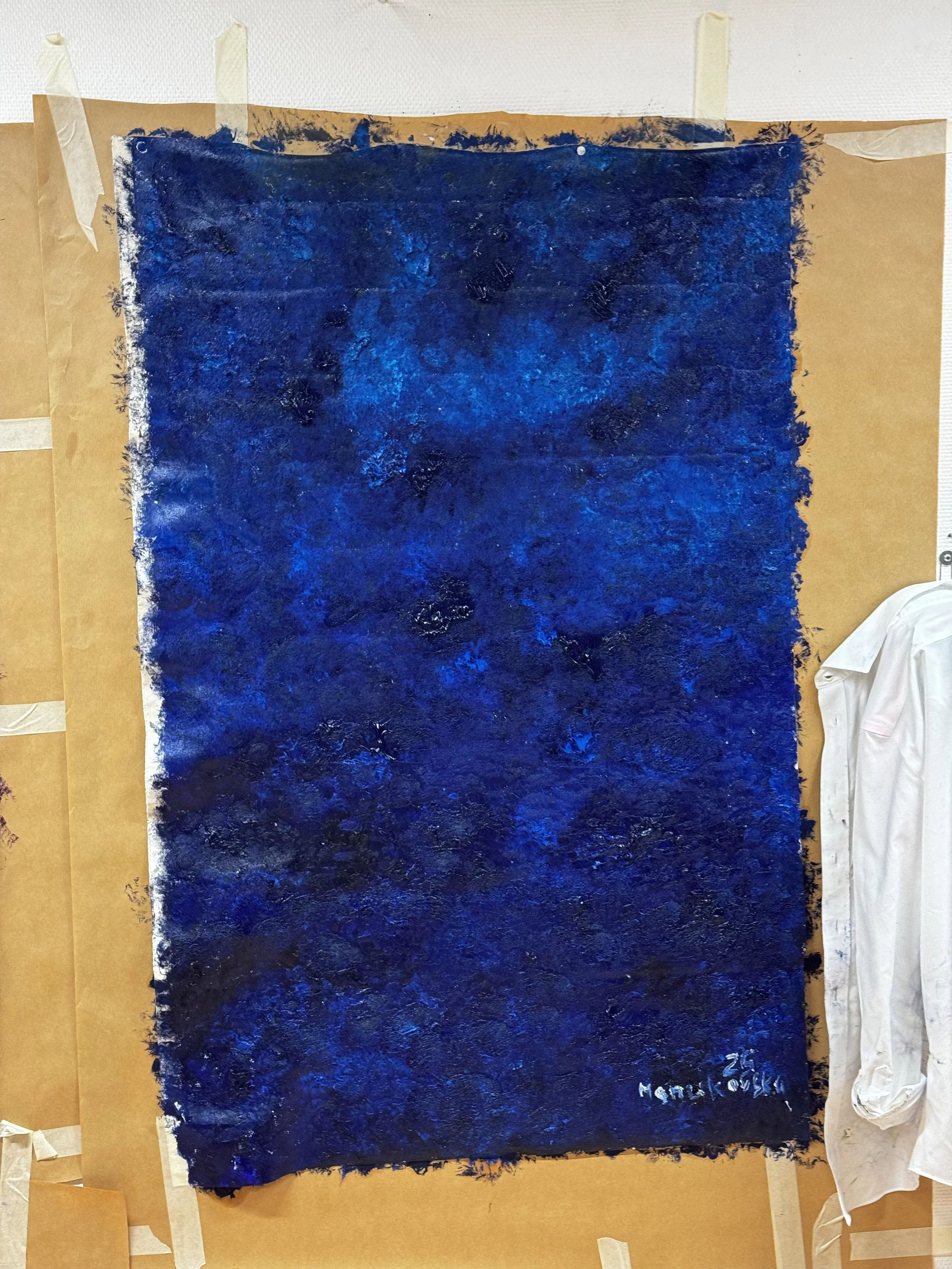
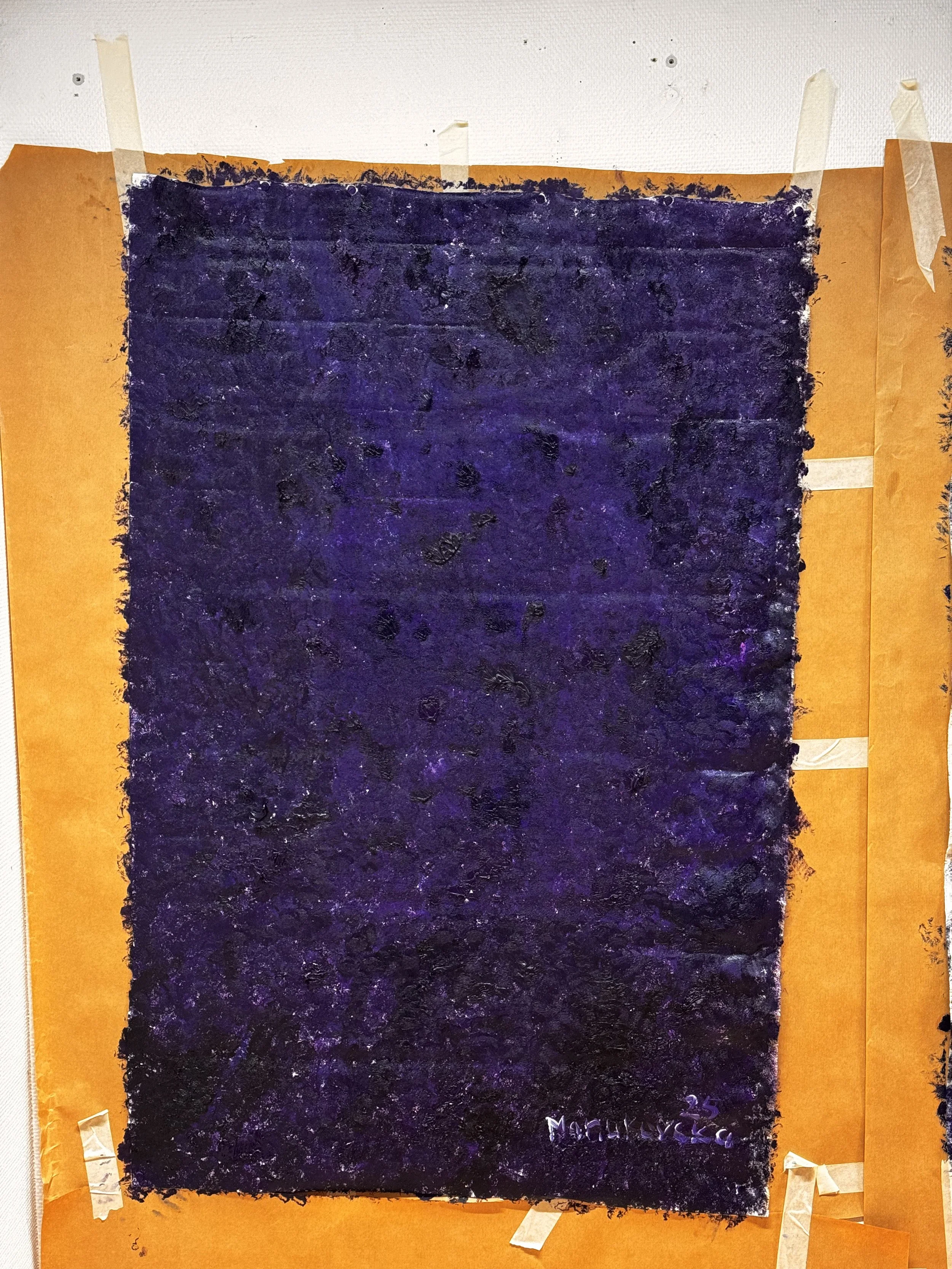
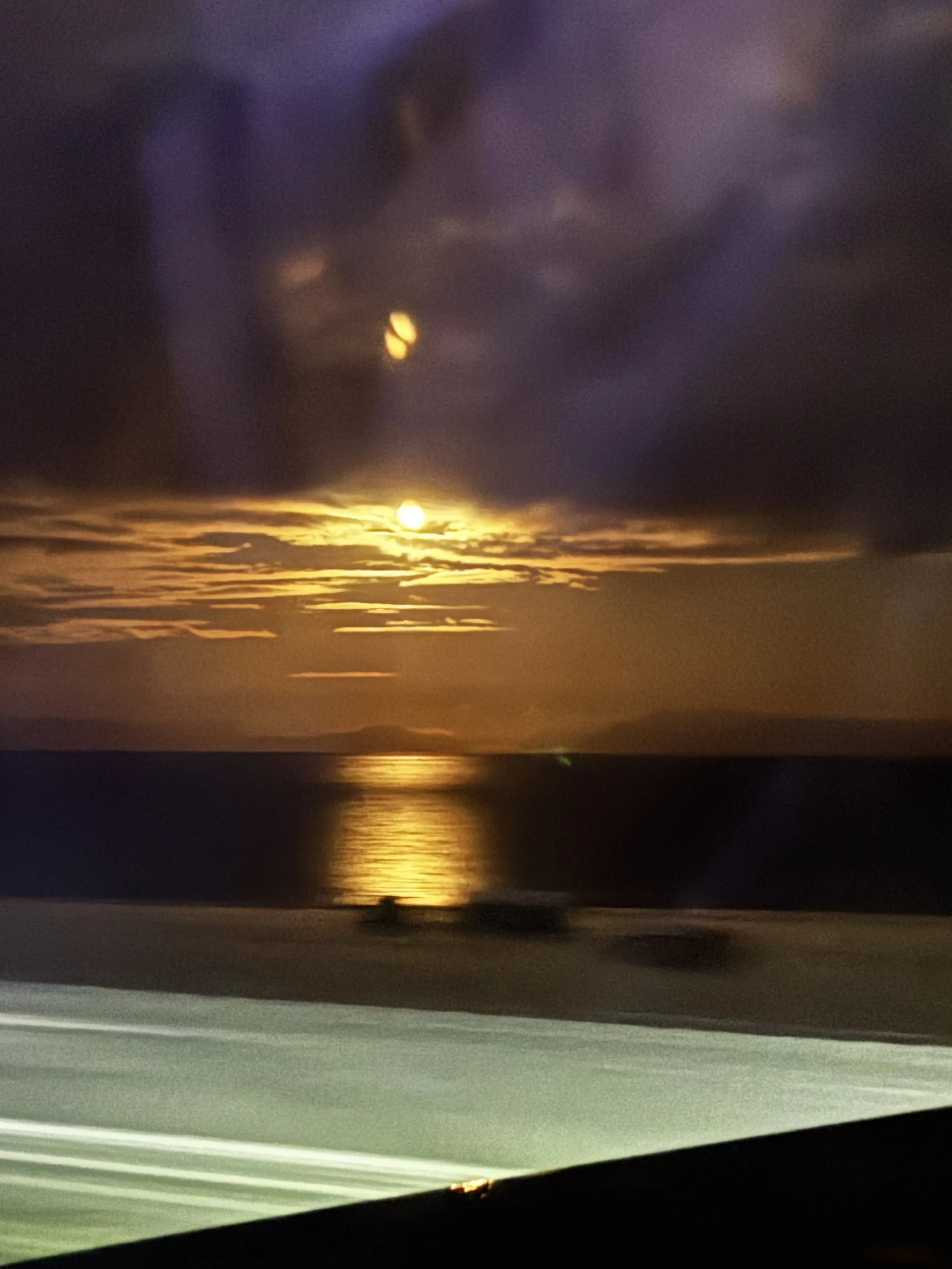
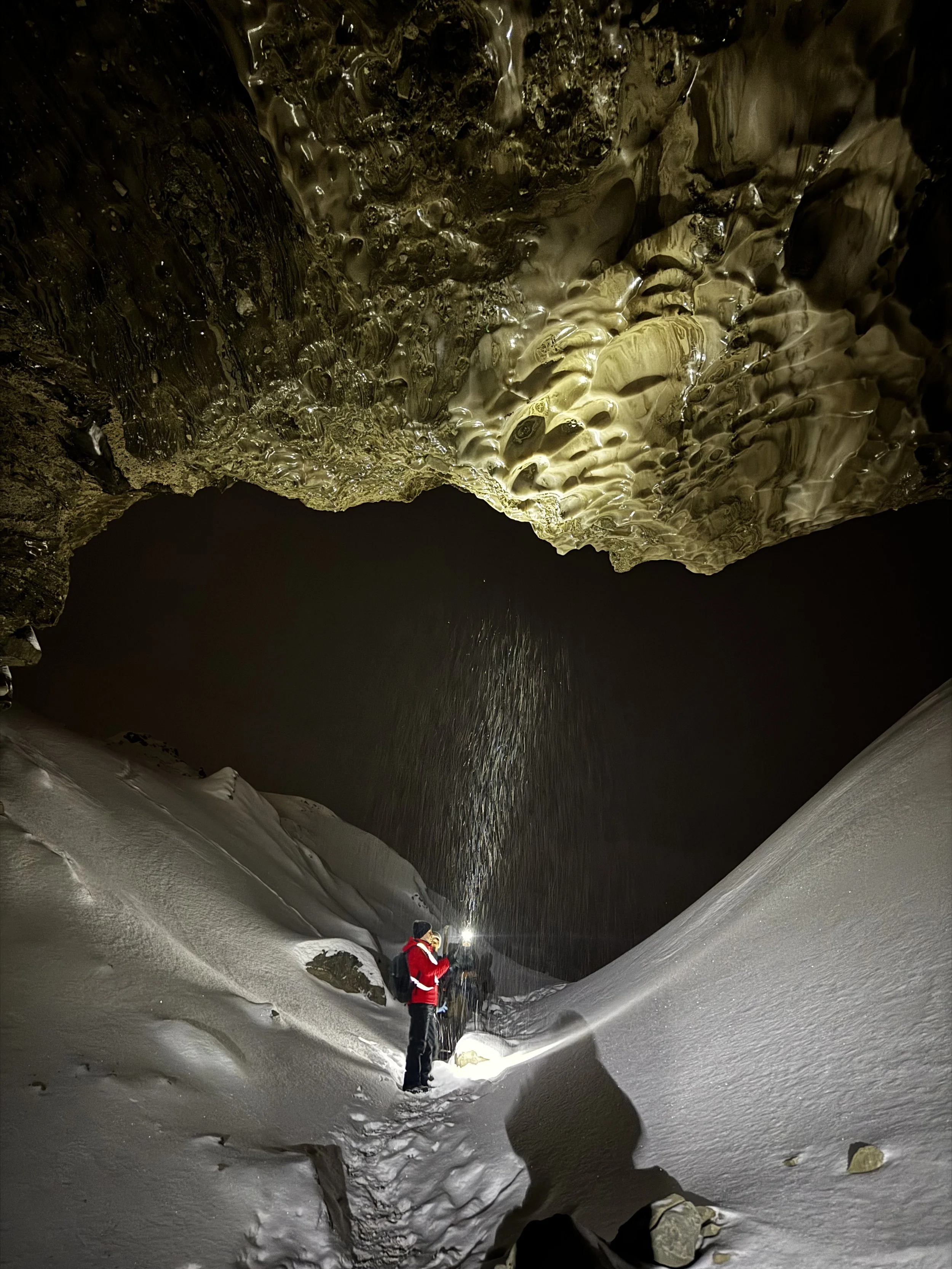
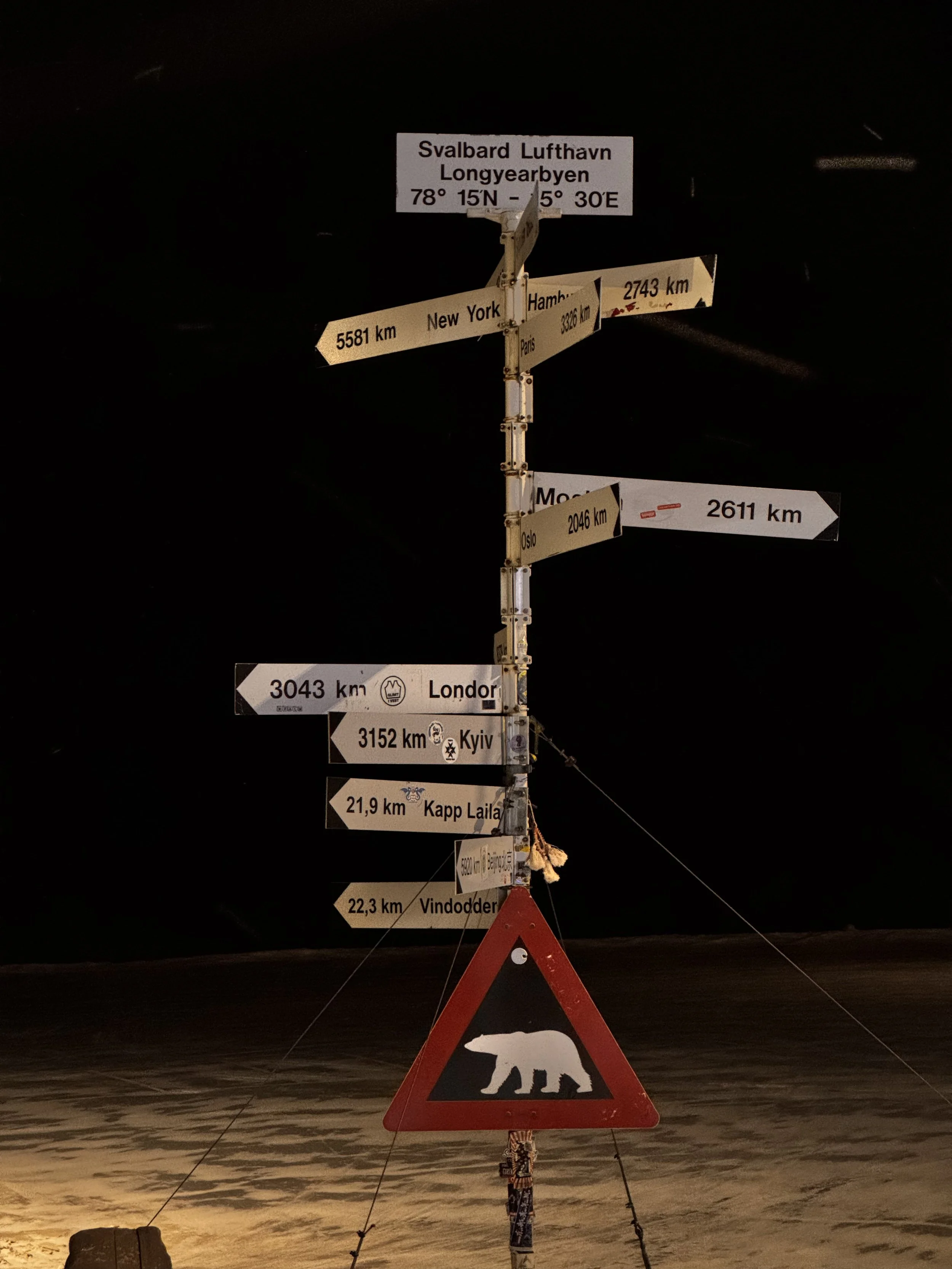
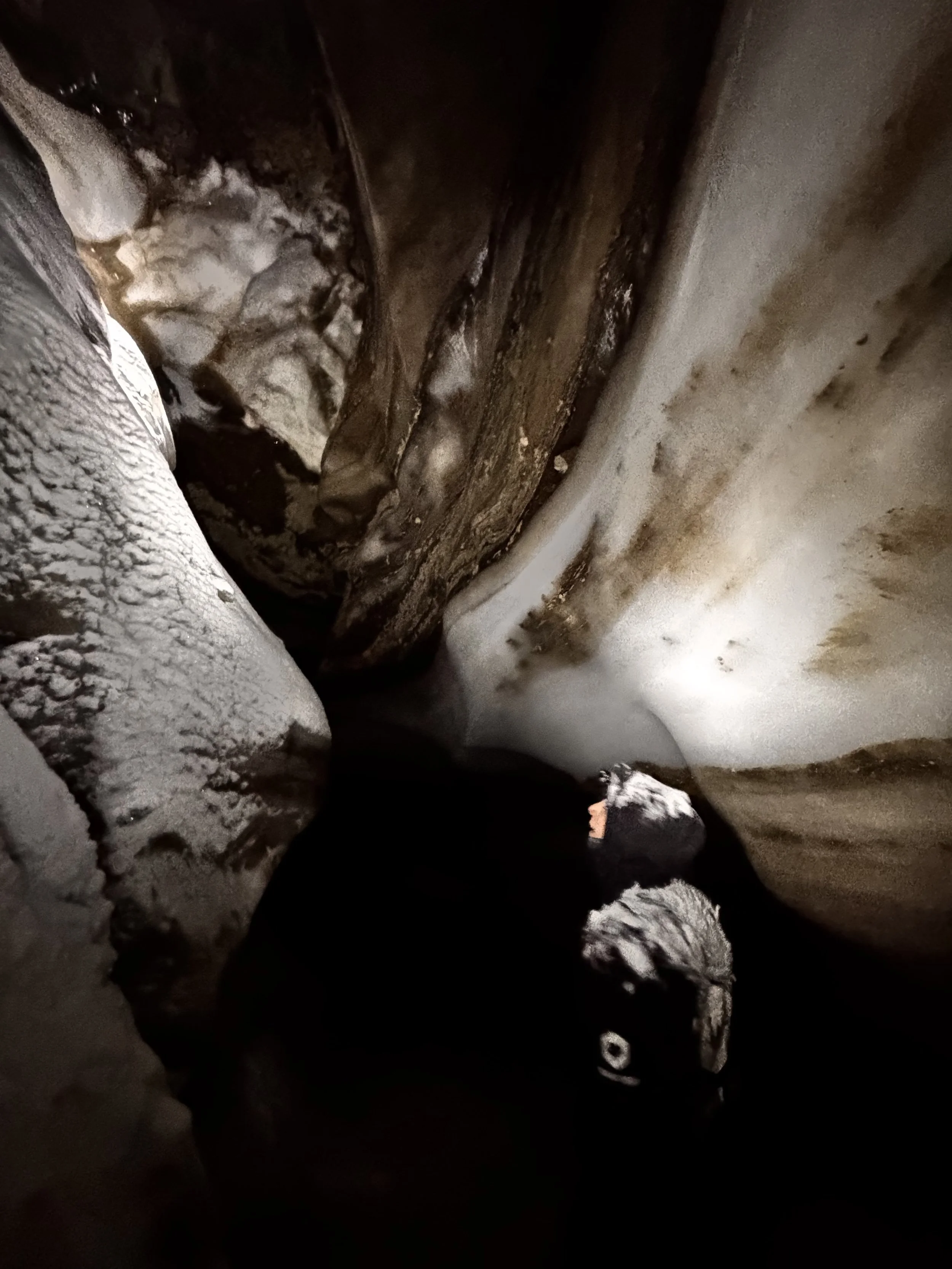
In 2025, I spent two weeks of polar night in Longyearbyen and came back with shades of black: Snowy Umbra Sky, Golden Orange Moon Halo, Cobalt Sage Blue Purple Snowy Sky. They became Questioning Darkness, a series painted without a single drop of black paint.
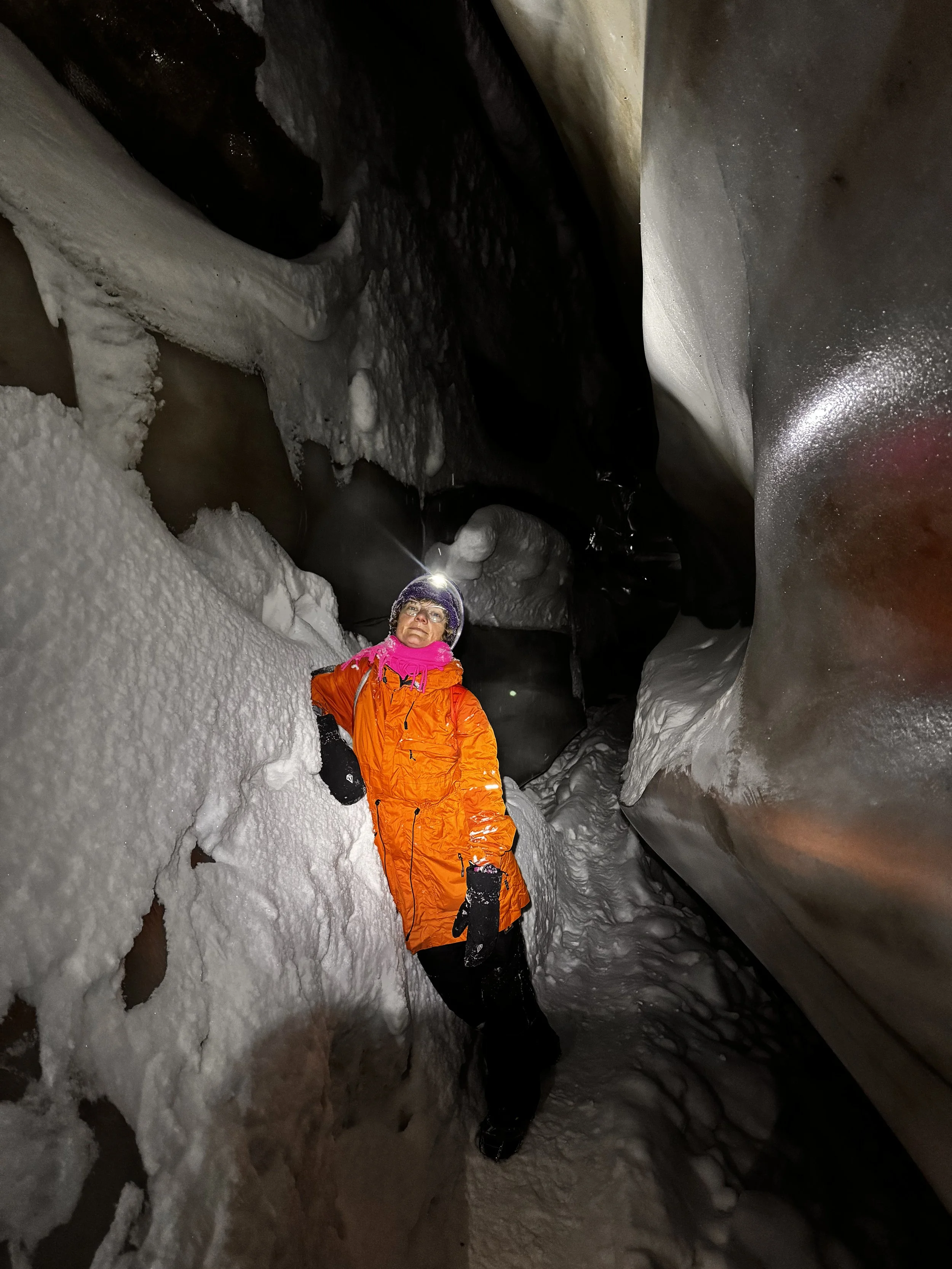
The Arctic changes people. Every artist I met there who had sailed with this expedition used the same words: “it’s a life-changing experience”. Some started a new practice. Others began new experiments with their usual medium. No one came back the same person.
The Arctic is changing too. Snow blushes pink with algae, glaciers darken, rivers run orange. The shades are shifting while we are still learning to name them.
On board, I will collect two things: colours, and the stories of change of the artists sailing with me.
Back home in Cyprus, each story becomes a painting, built on its colour and shape and titled with one open-ended question, becoming an exhibition and a book filled with interviews. Paintings would be transferred into music.
Then open talks and an exhibition bring the Arctic to people who have never seen it.
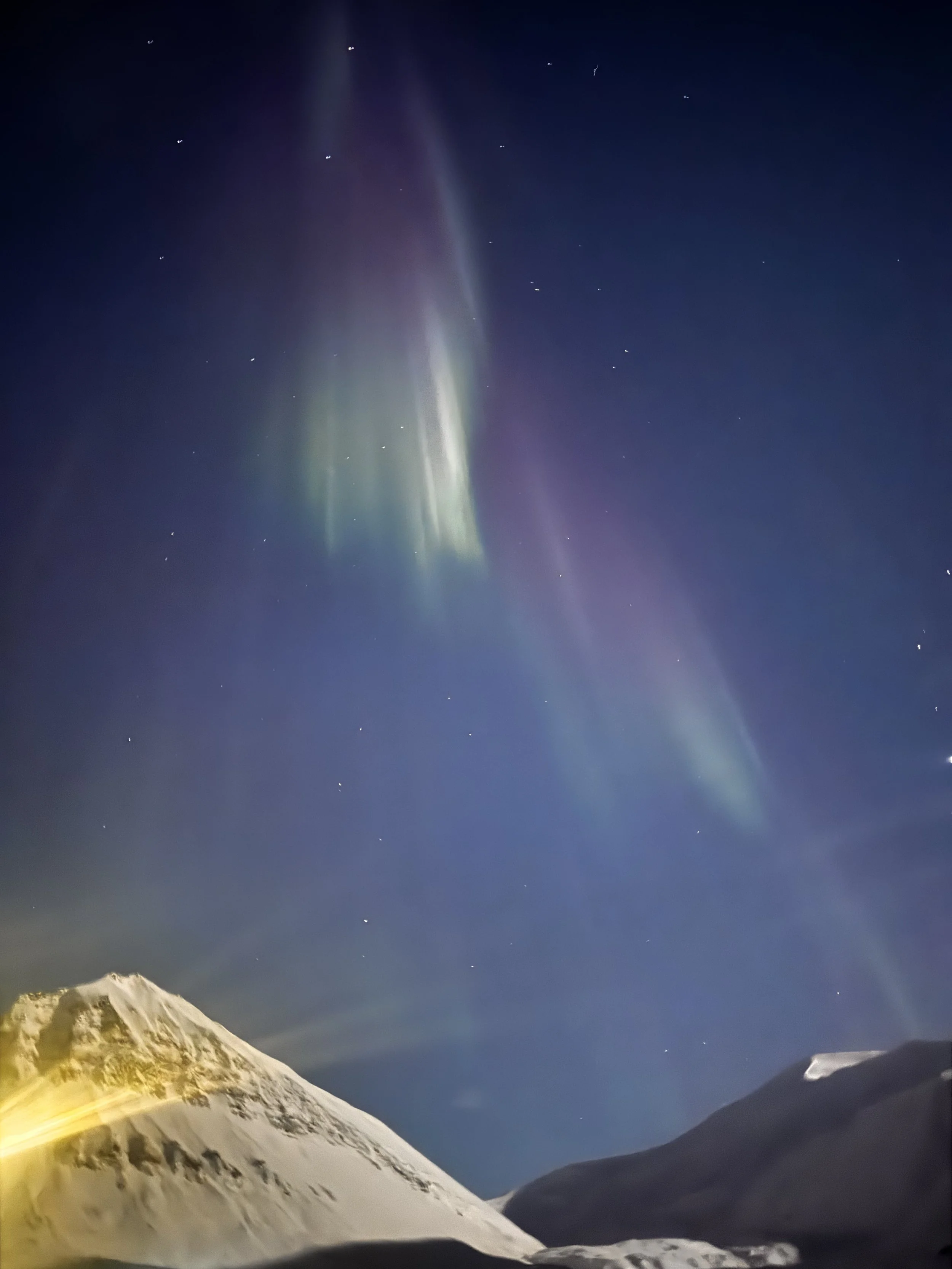
I want to capture and document rare colours, name them, and research how they affect people who have never seen them before. Pure, crispy shades of white, purple, blue and pink that can’t be found anywhere else.
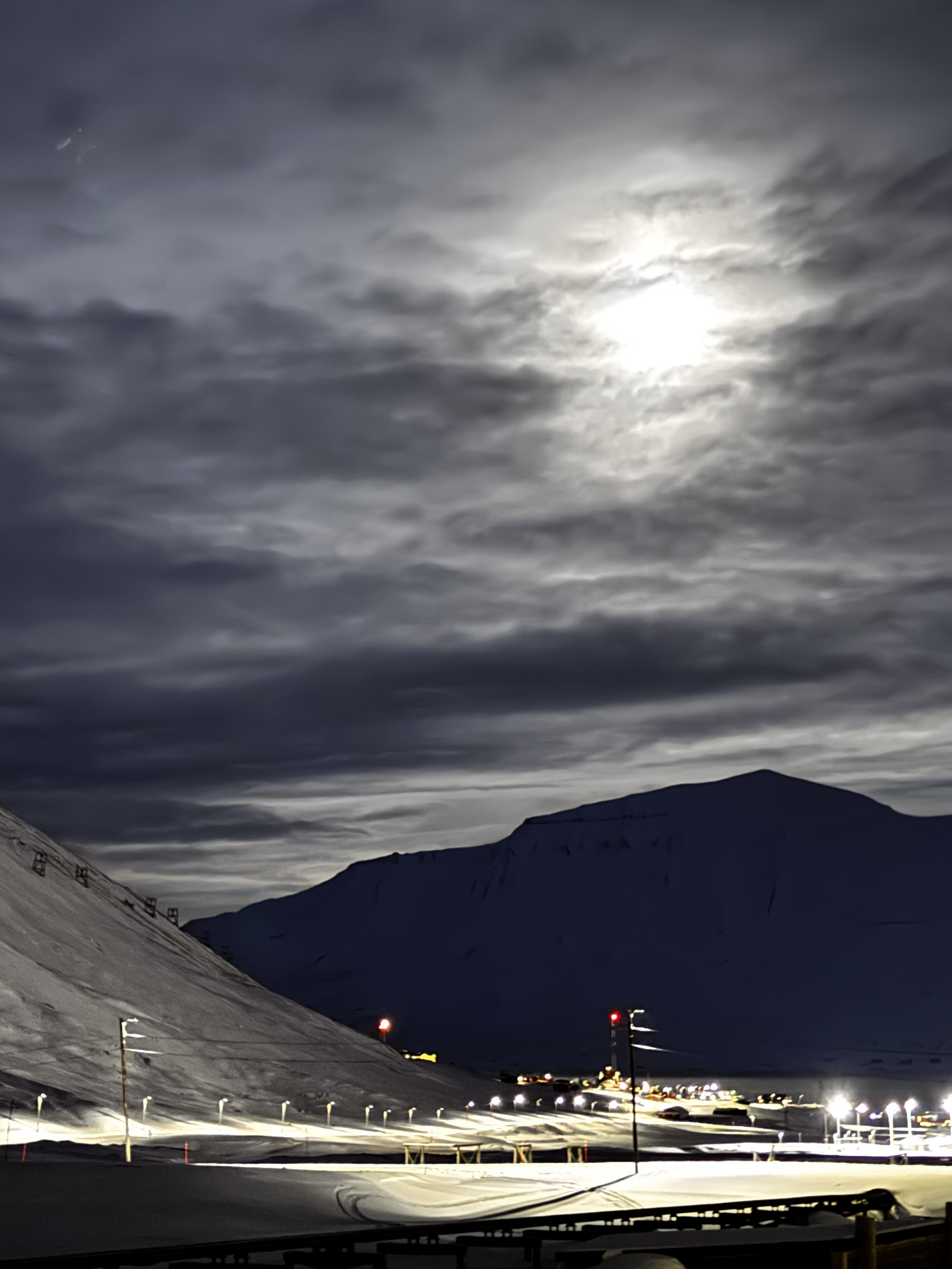
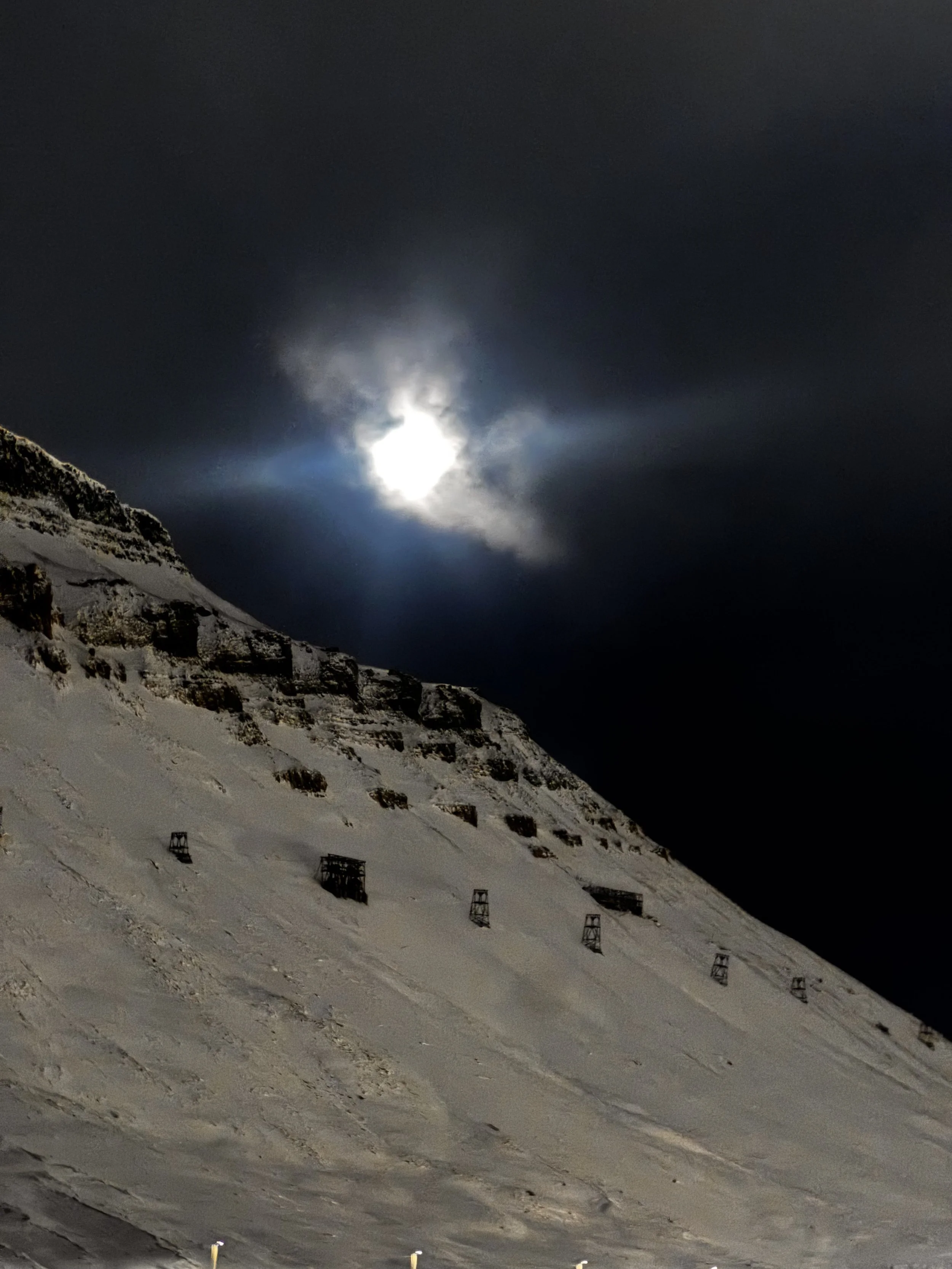
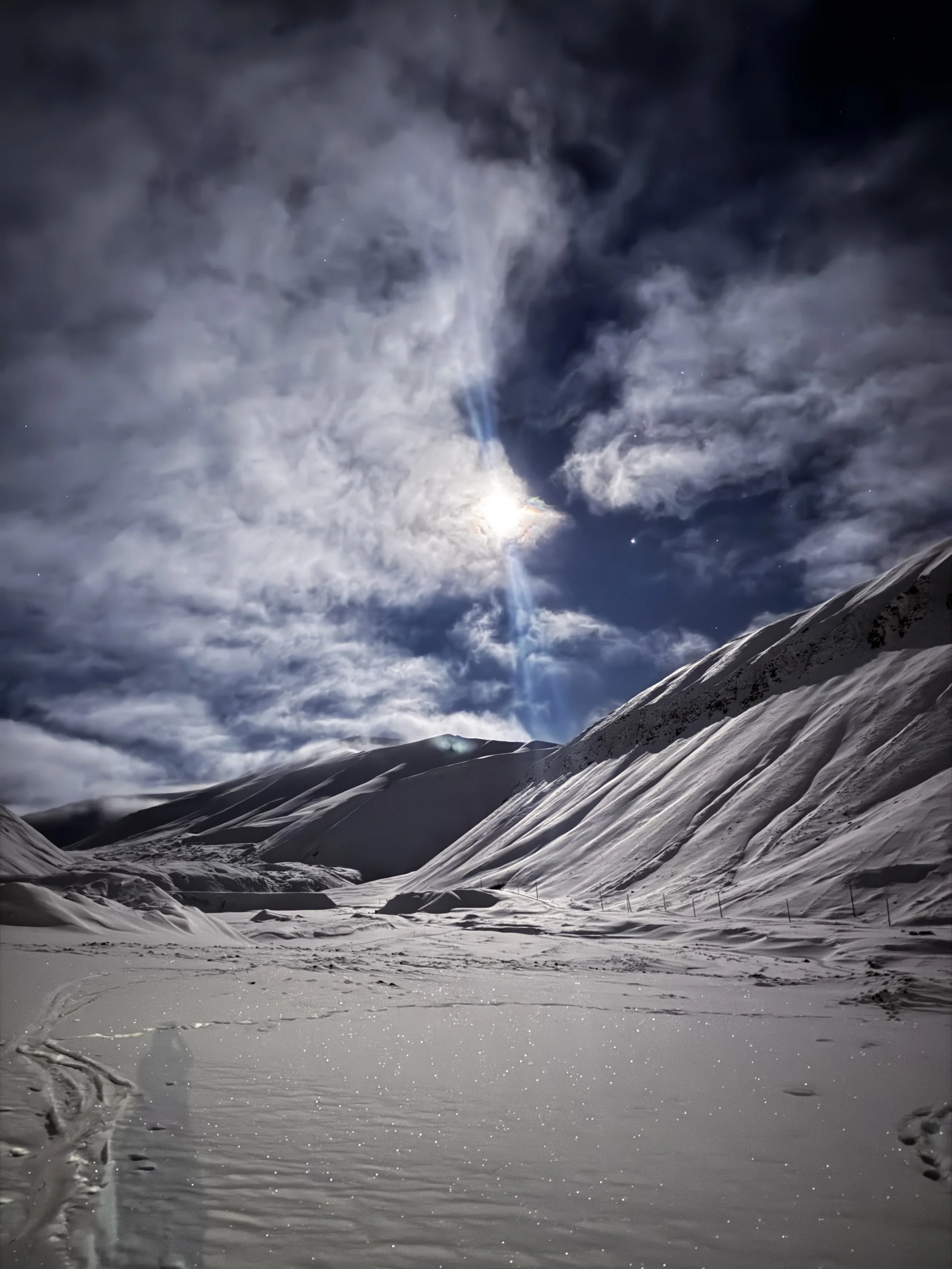
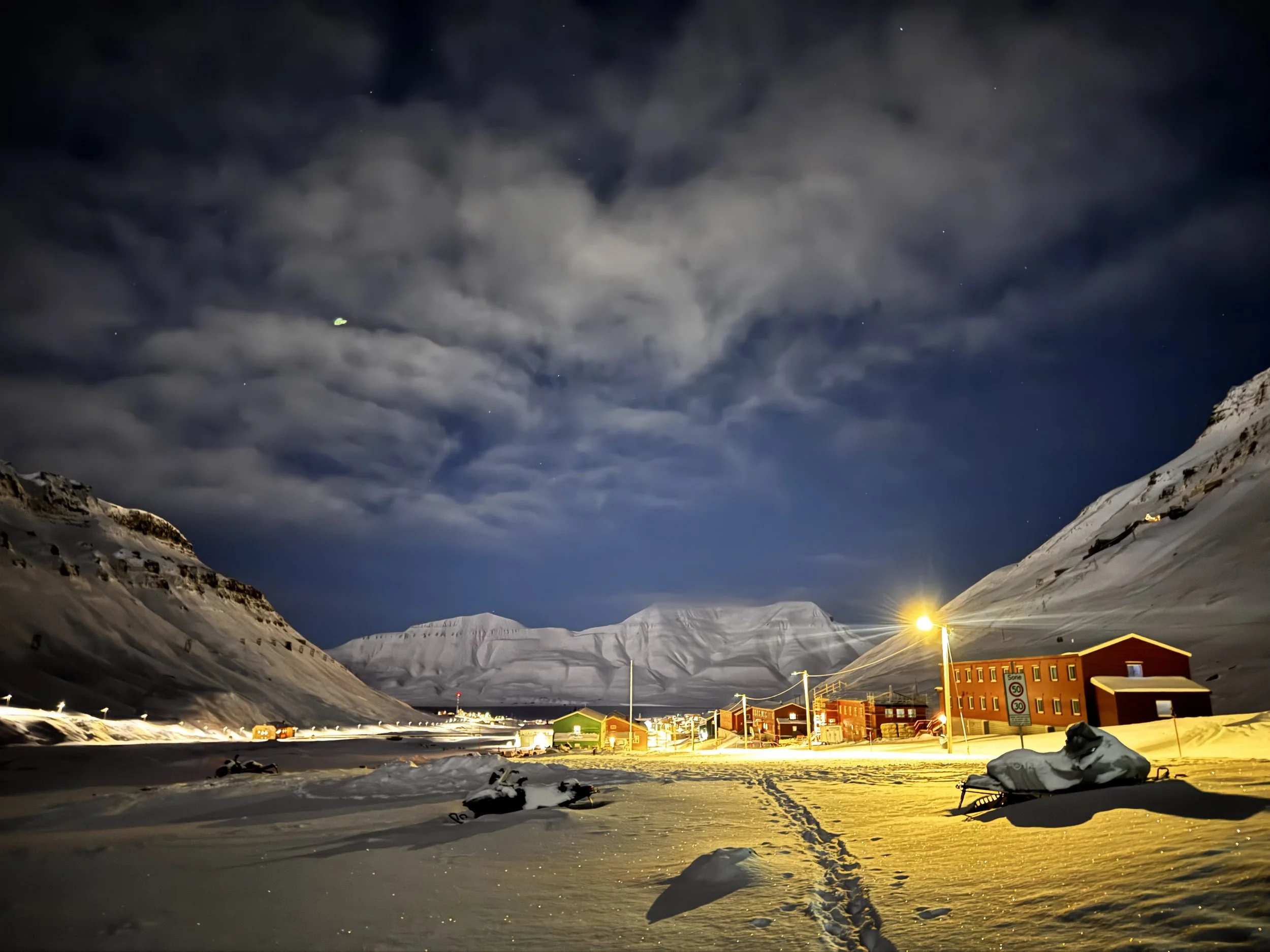
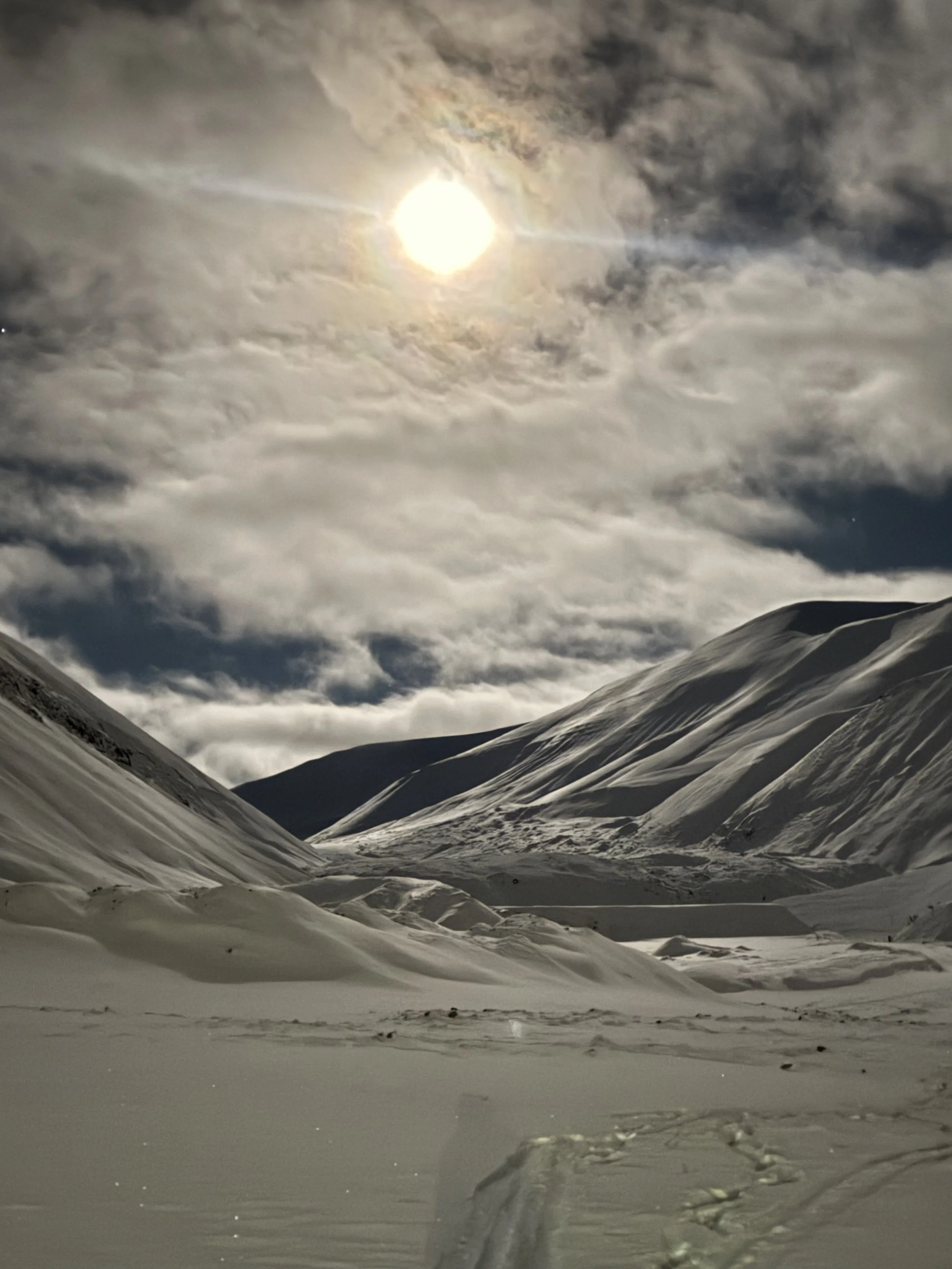
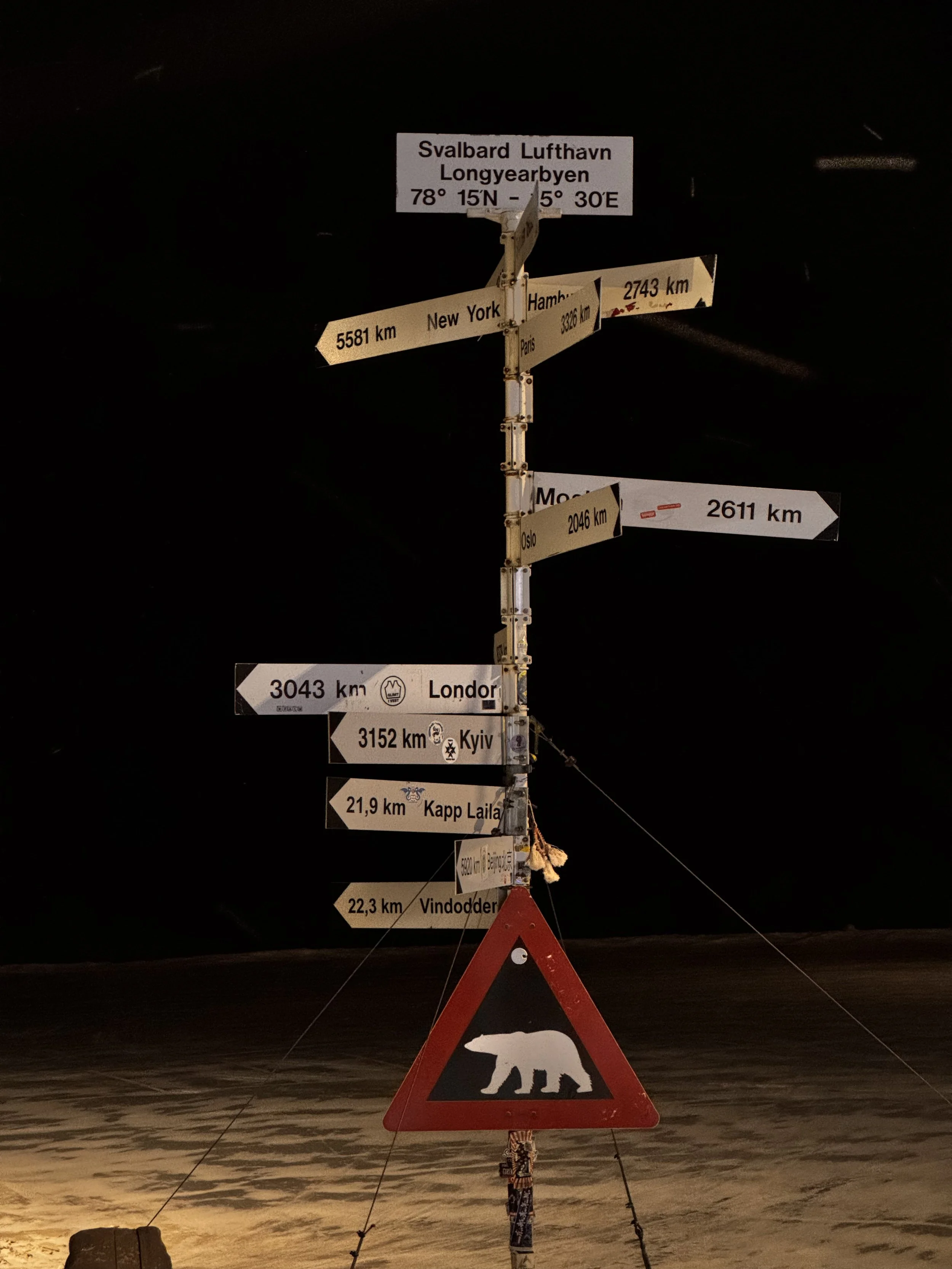
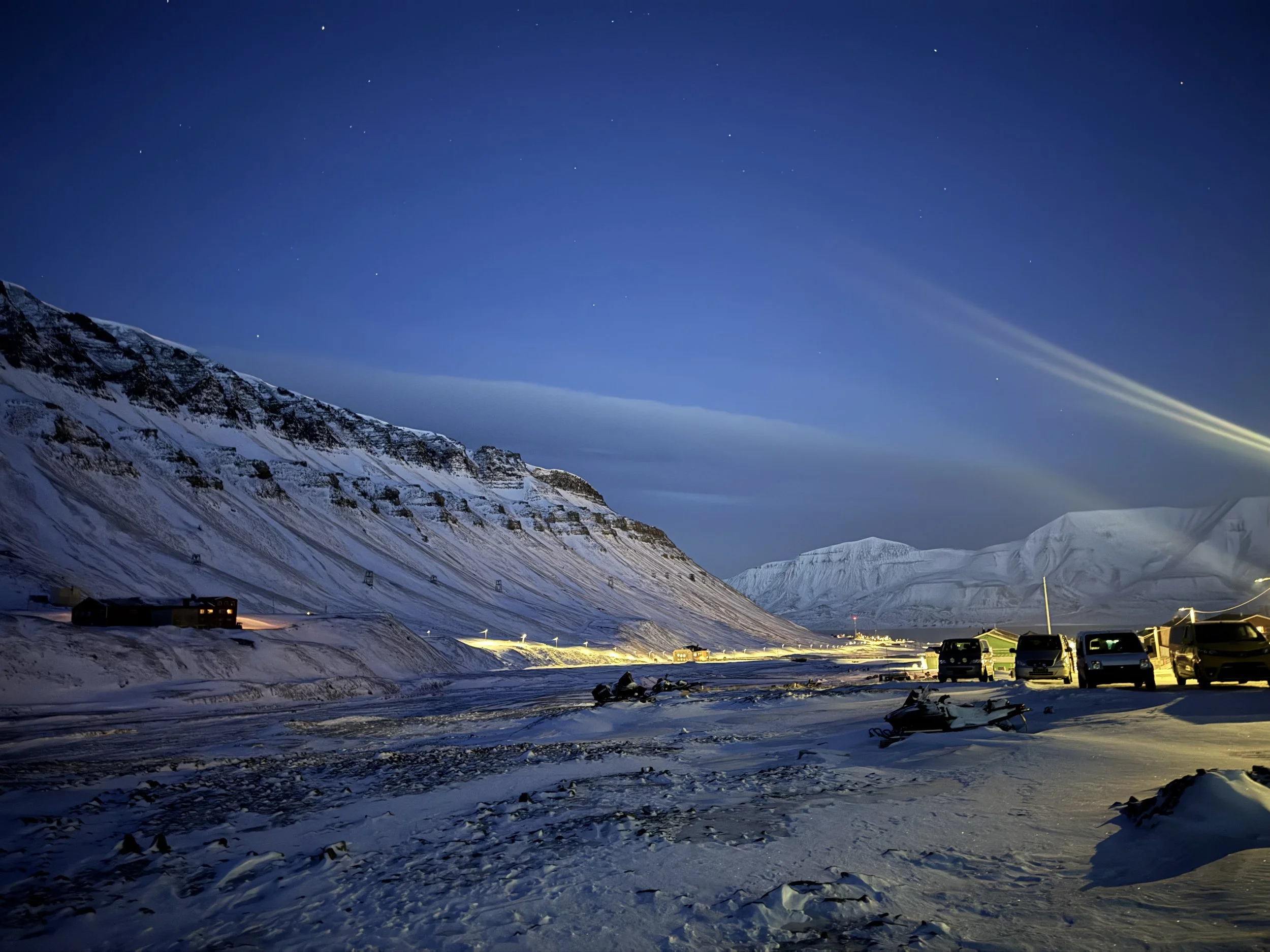
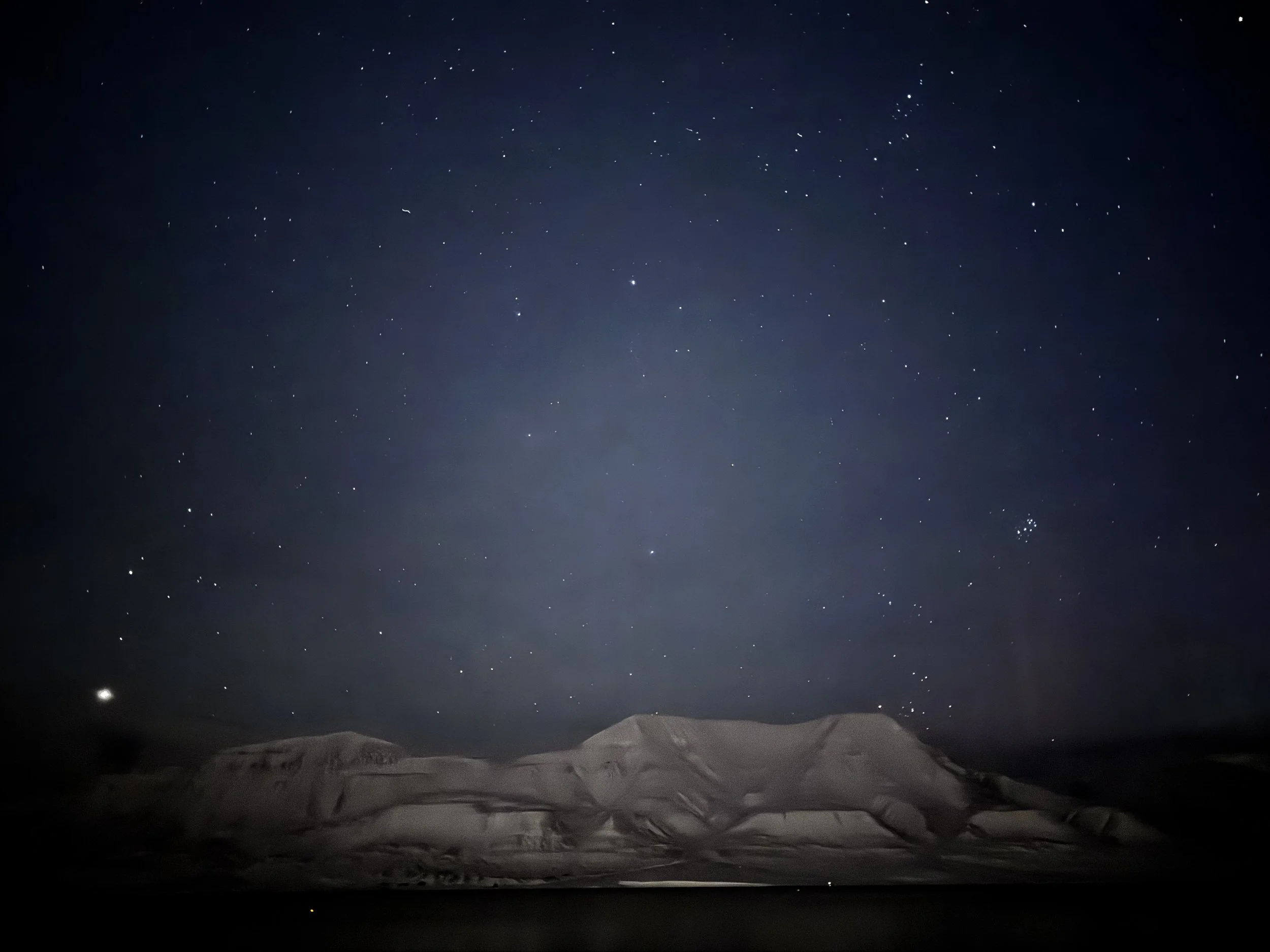
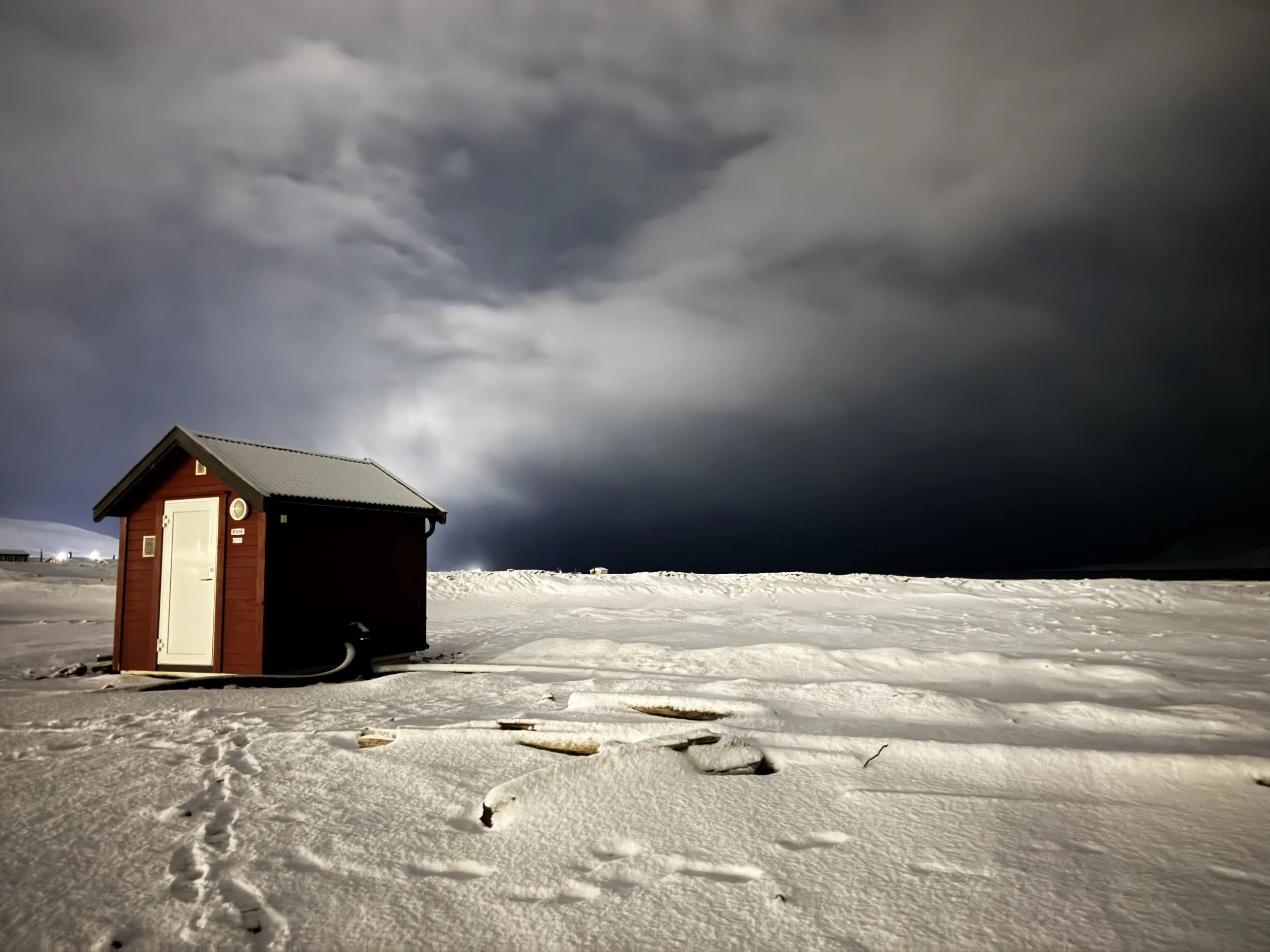
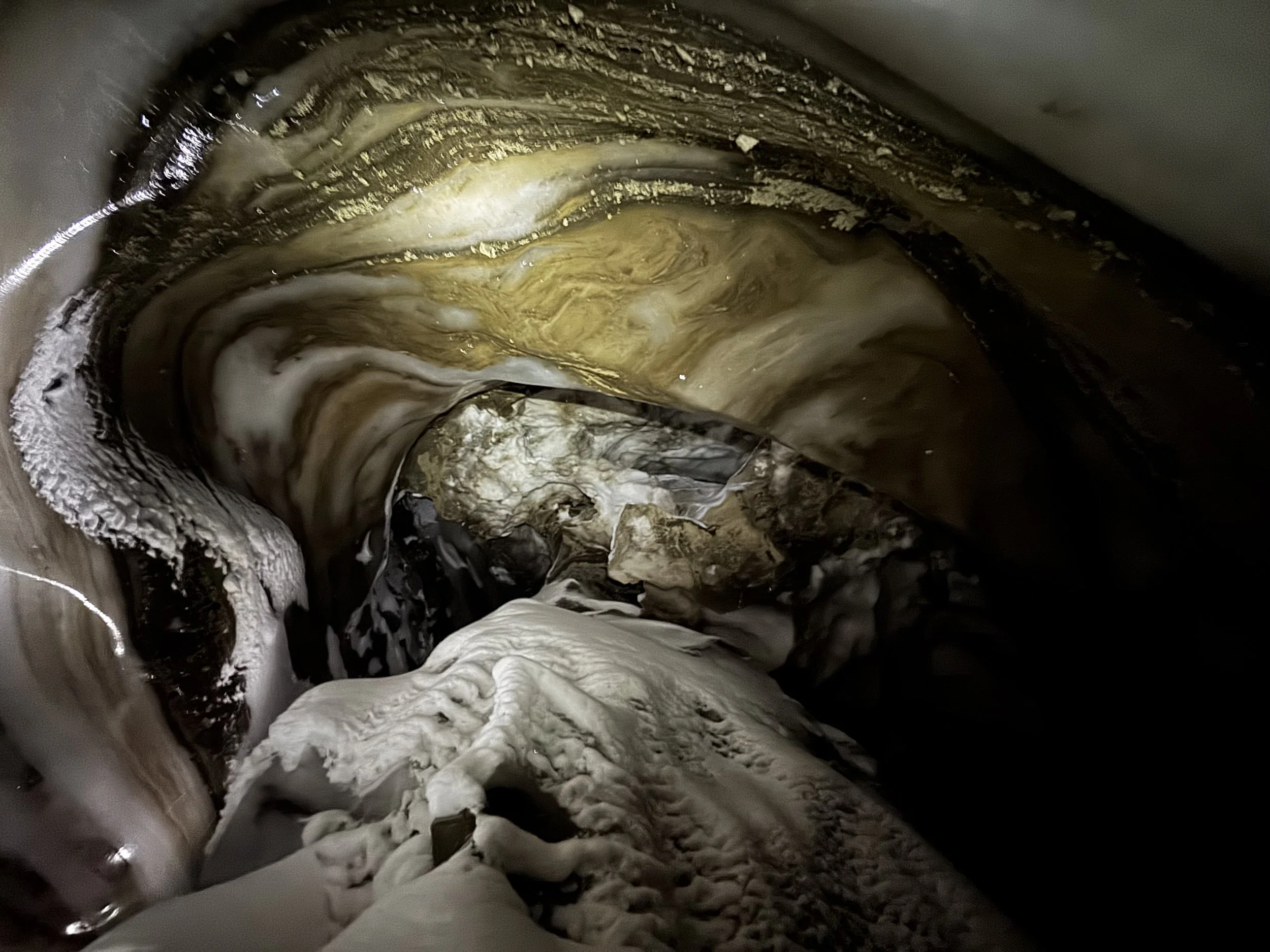
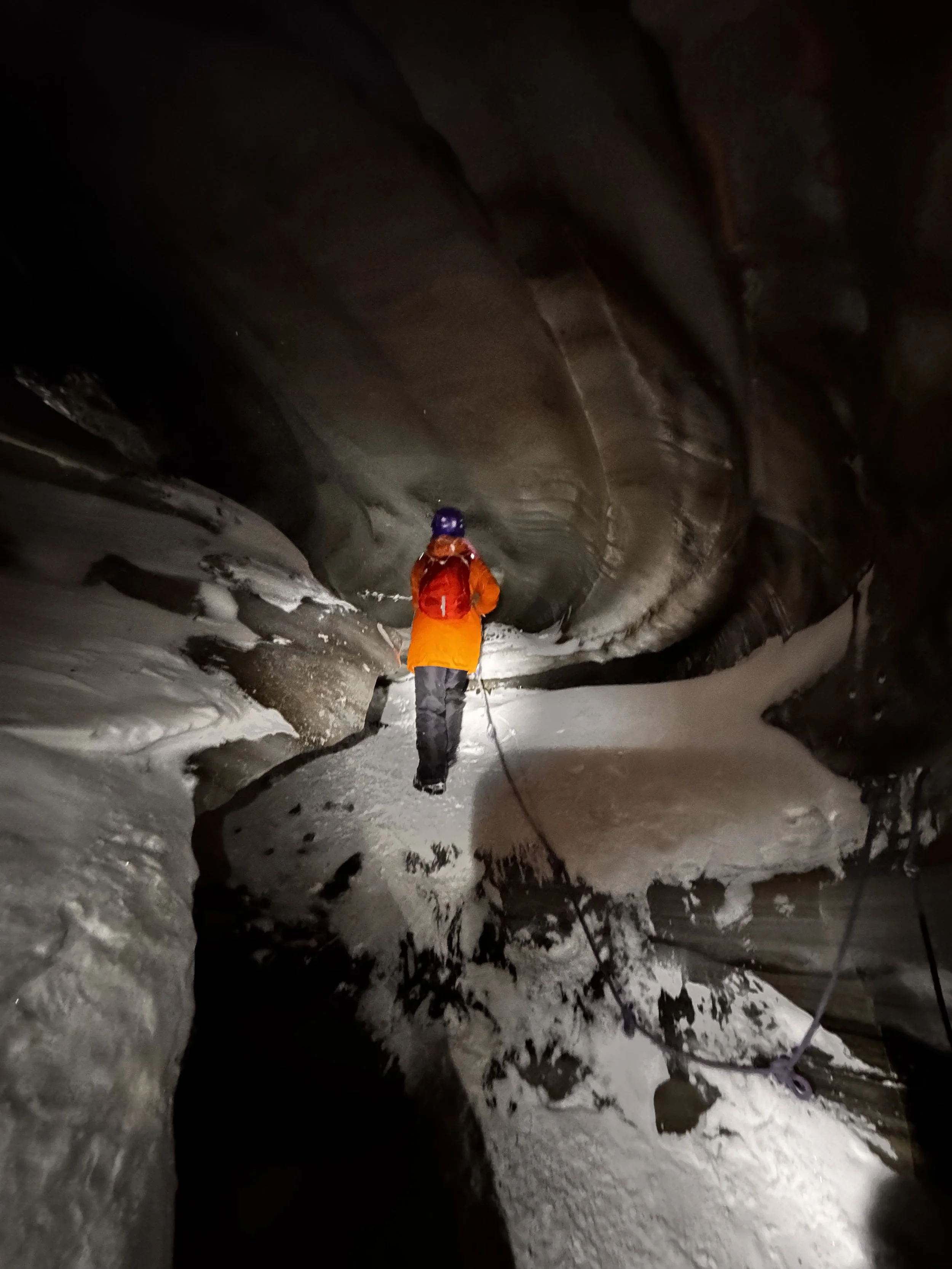
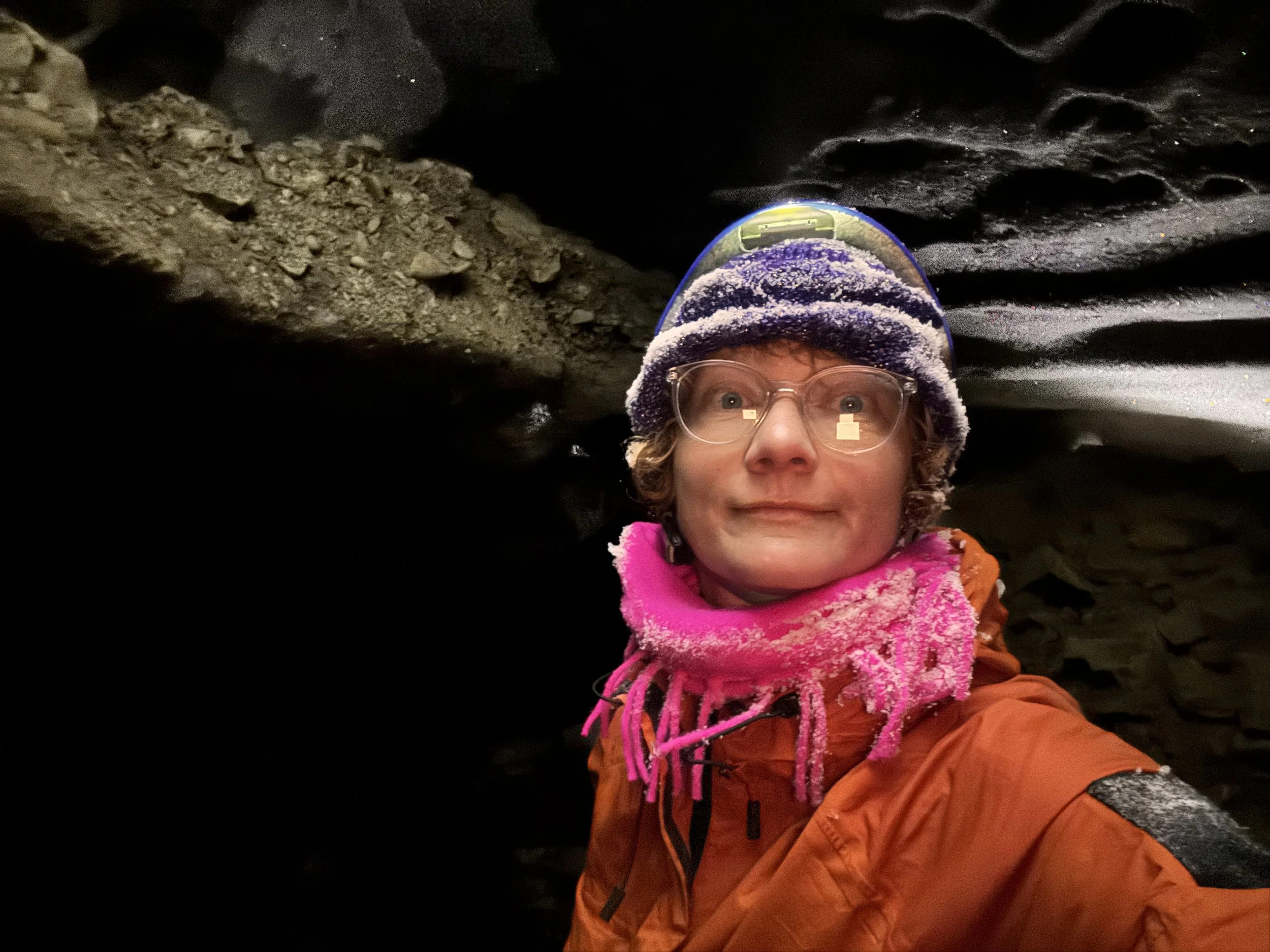
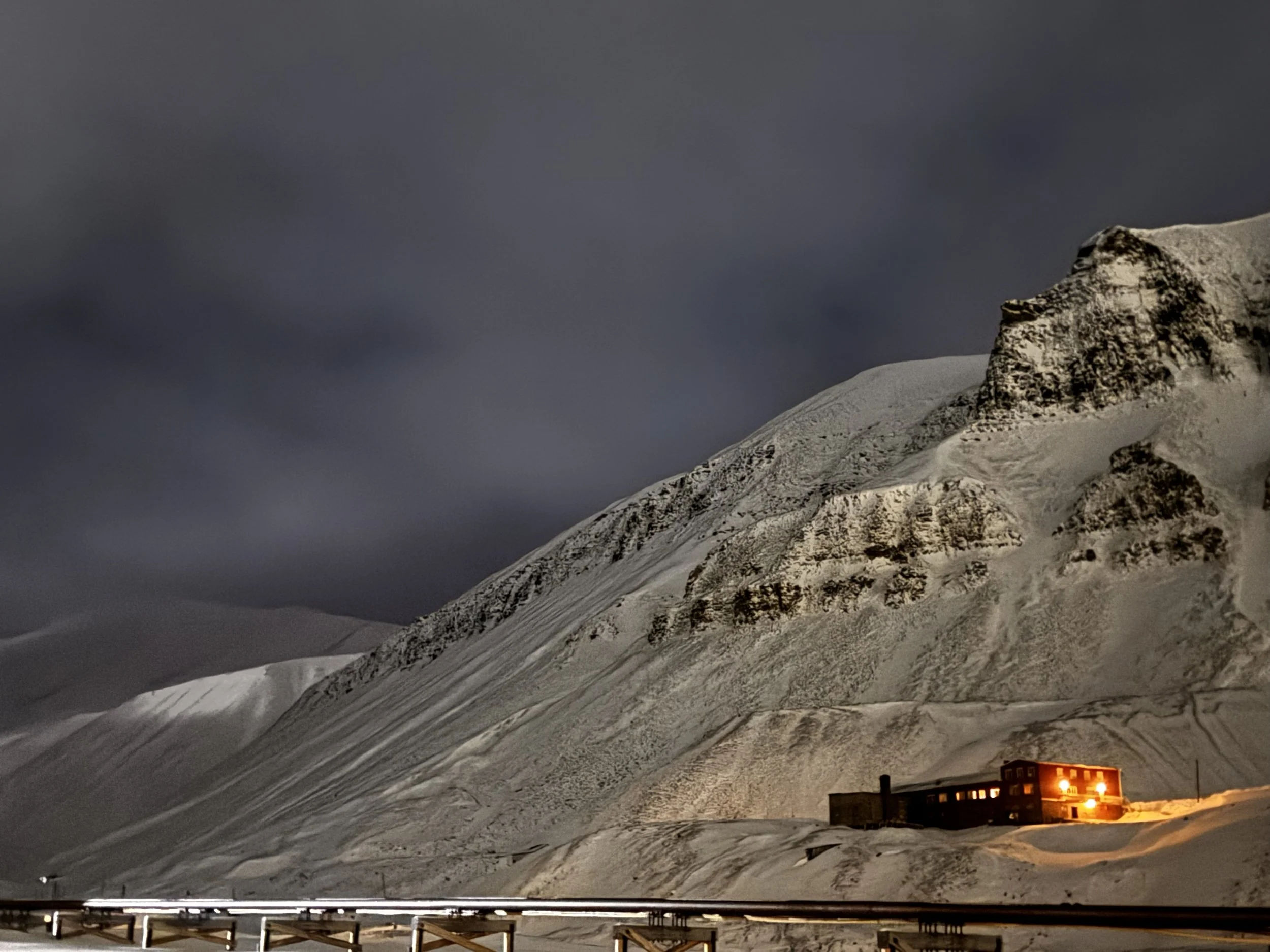
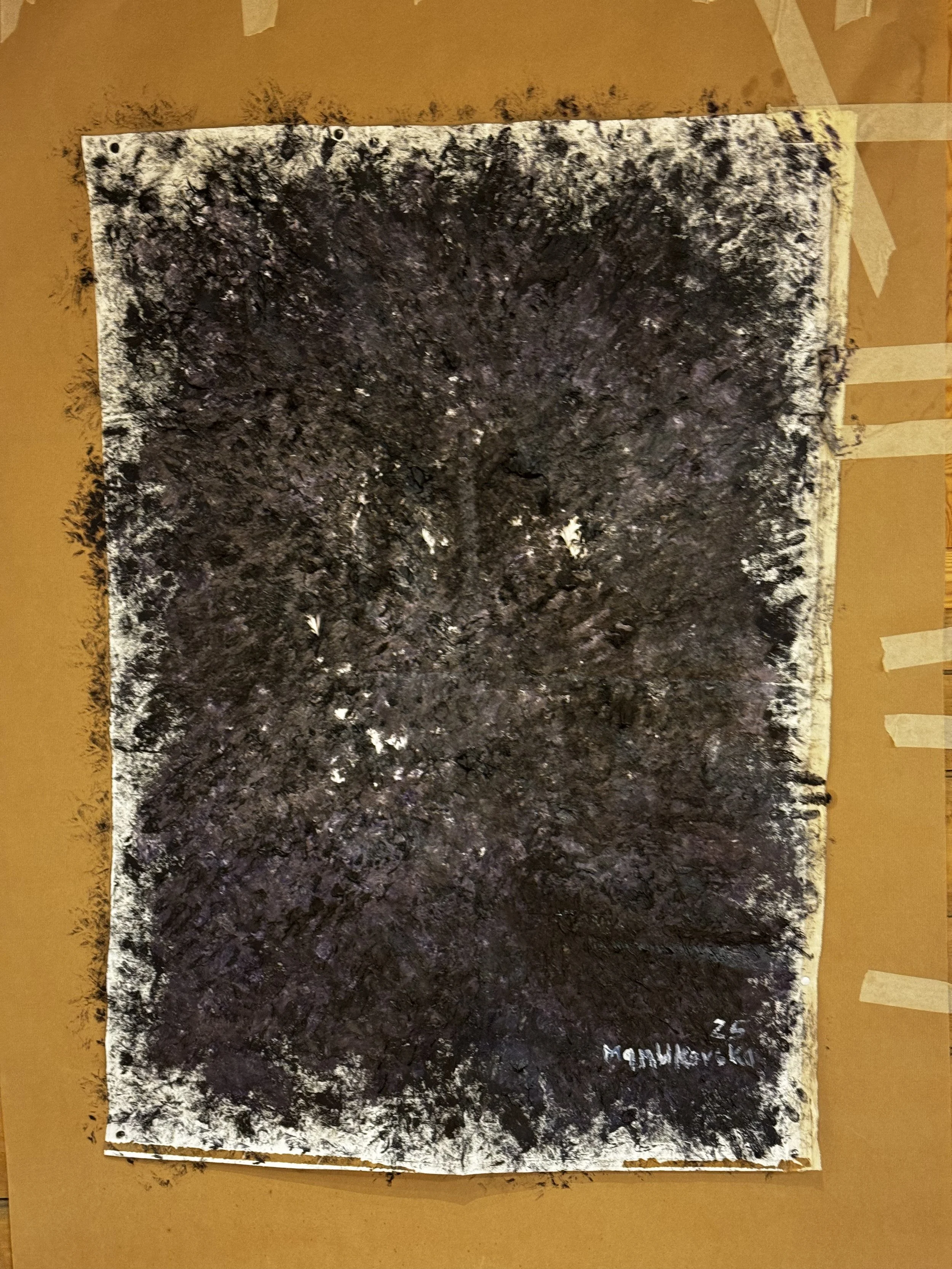
What happens to the Arctic colours now beause of the climate changeIt’s not pure white anymore
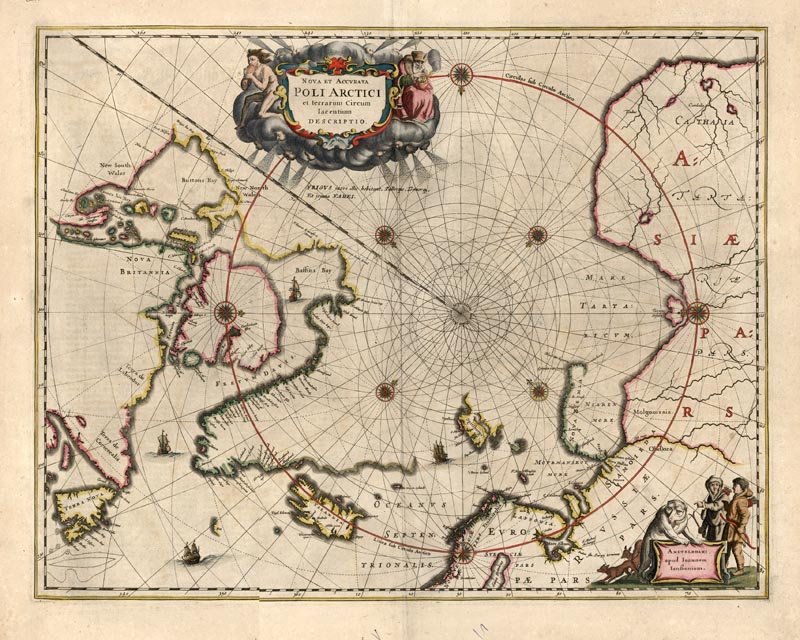
For four centuries, travellers described the Arctic in white, in black, in the long blue and violet of twilight. That palette is moving.
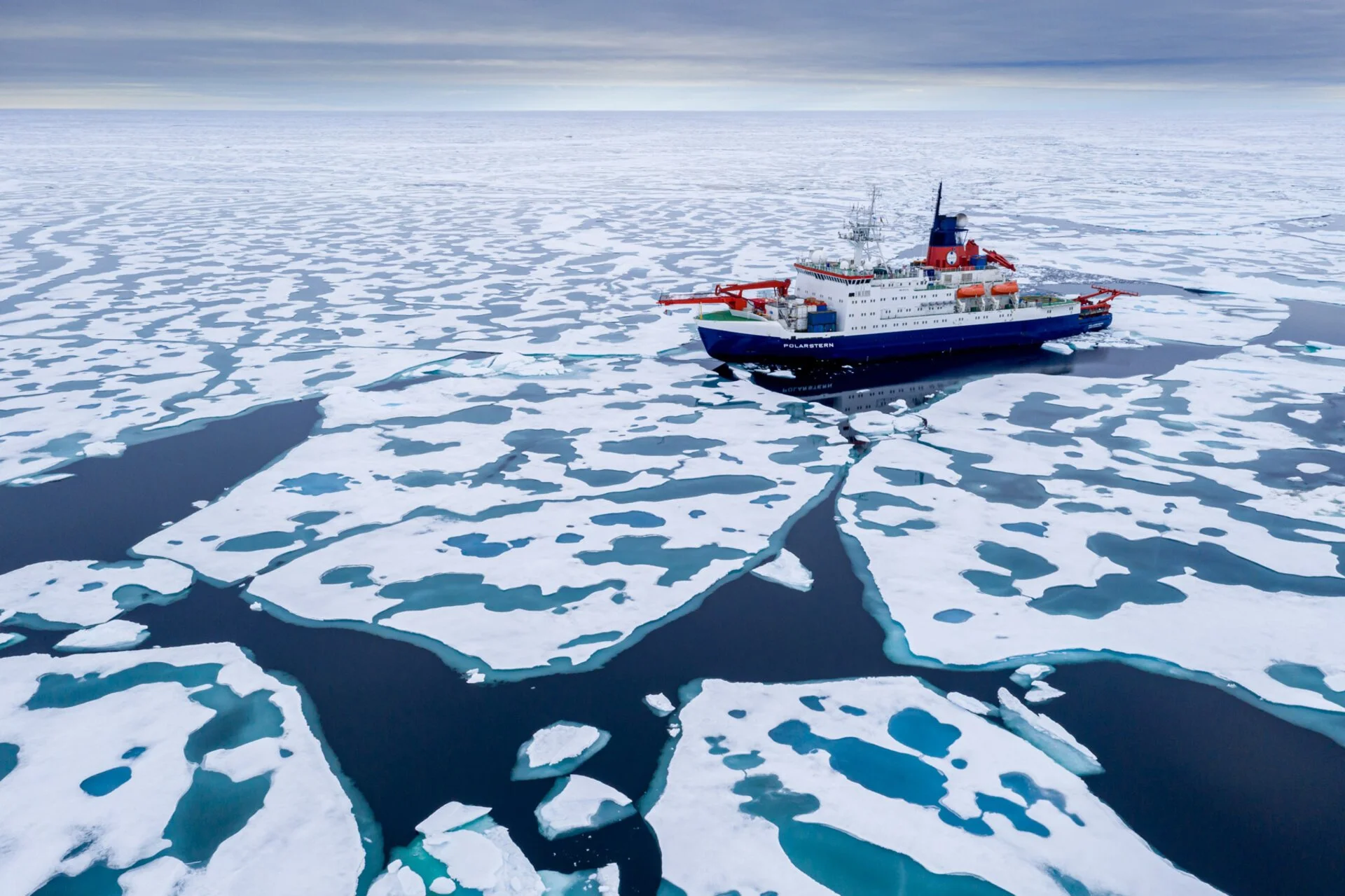
Climate change is shifting the colours of the North in ways a camera can record: white ice giving way to dark water, glaciers turning grey, snow blushing pink, rivers running orange, tundra going green, seabed algae fading pale.
Start with white. Sea ice sends sunlight back into the sky; open water absorbs it. Every winter with less ice leaves more of the ocean dark.
Greenland’s ice is darkening, and part of that darkness is alive. Ice algae grow on the melting surface. A January 2026 study at two sites in north-western Greenland found that melt itself releases more nitrogen and phosphorus than the algae need. The loop closes: melt feeds the algae, the algae darken the ice, dark ice melts faster.
Snow turns pink and red where pigmented algae bloom on melting snowfields. Beautiful from a distance. Pink snow reflects less light, so it disappears sooner.
Water changes colour too. In the Smoking Hills of Arctic Canada, waters run opaque orange, heavy with iron and metals. Researchers writing in 2026 name thawing, slumping ground as a possible amplifier of a process that was already there. In Alaska, scores of streams have turned the colour of rust.
On Svalbard, tundra is growing greener. Below the surface of Isfjorden, photographs taken between 2014 and 2022 show coralline algae bleaching in episodes, losing pigment under heat, light and sediment.
White, disappearingJune snow cover extent over the Arctic today is half of what it was six decades ago.
NOAA Arctic Report Card, 2025
Green, spreadingBetween 1985 and 2016, about 38% of the tundra sites across Alaska, Canada and western Eurasia showed greening. Only 3% showed the opposite browning effect.
NASA, 2020
Pink growingRed snow-algae blooms are estimated to cut snow reflectivity by 13% over a melt season.
Nature Communications, 2016
Getting darkerAlgal blooms can cover up to 78 per cent of bare ice surfaces in Greenland’s Dark Zone and account for up to 13 per cent of surface melt in this region.
McCutcheon et al., Nature Communications, 2021
Arctic exploration over the centuriesPlace on Earth that attracts the bravest people on the globe
1596–97. Willem Barents’s crew winters on Novaya Zemlya, locked in by ice. In January, Gerrit de Veer records the sun returning earlier than any calculation allowed. It reads like a mistake. It is light bending in frozen air, later named the Novaya Zemlya effect. The Arctic shows what does not fit expectation, and the eye has to learn again.
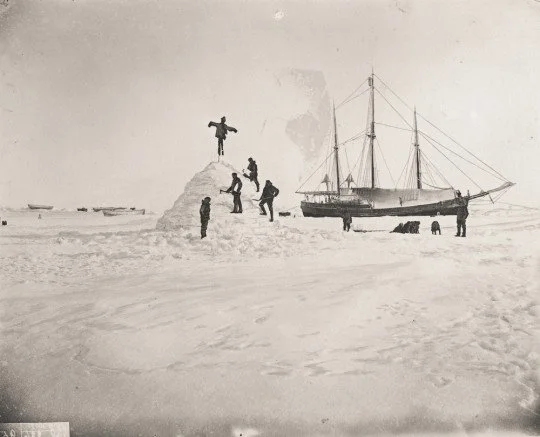
1820s. William Edward Parry’s ships overwinter in the Canadian Arctic and turn into small towns: a school, a theatre, costumes, dancing. Culture becomes survival equipment. Inuit, Iligliuk among them, draw charts for the officers and name the places on them. The shelters the officers first judged uncomfortable become their refuge in bad weather. Comfort is redefined.
1840s–1850s. The search for John Franklin’s lost expedition fills the public imagination with Arctic images: engravings, lithographs, panoramas. Wonder becomes something you can buy a ticket for. Caspar David Friedrich’s The Sea of Ice (1823–24) had already asked the harder question: what happens to human mastery when ice takes over the whole composition?
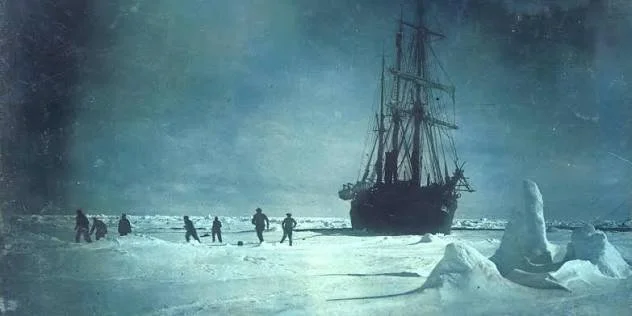
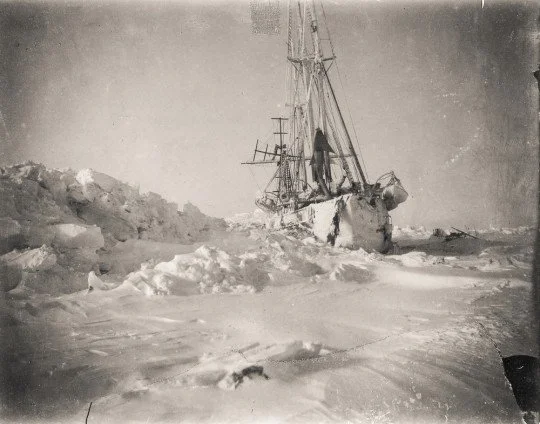
1893–96. Nansen freezes the Fram into the pack ice on purpose and lets the current carry it. The idea: stop fighting the ice and travel with it. His diary keeps everything the heroic version edits out: the beauty of the polar night, ice thundering around the hull, months of monotony that wring the soul, doubt about the whole undertaking. His publisher printed Nansen’s coloured sketches as evidence of real Arctic colour, while Nansen himself claimed no artistic ambition.
1934–35. Christiane Ritter, a Viennese painter and housewife, overwinters in a hunters’ hut at Gråhuken on Svalbard’s north coast, the first central European woman to do so. On arrival she privately calls it a ghastly country: water, fog, rain. Then come 132 days of polar night. She listens to silence, paints, and finds her hunger for the music of Vienna simply gone. The darkness tests her mind too; the hunters keep her indoors when the full moon pulls her towards the shore. By the end of the year, the alien place is loved. Her watercolours are now held by Svalbard Museum in Longyearbyen. Her conclusion still stands: the Arctic gives back only what we bring to it.
2022. Thirty-four Arctic nature-guide students spend eight days on a glacier course on Svalbard, sleeping in tents guarded against polar bears. Asked afterwards for their strongest moment, they write about a bear failing to catch a seal, a glacier calving, night watches in silent twilight, two Arctic foxes coming close without fear. Wonder comes up again and again. From fighting against nature to fighting for it.



Partners of the project
With their help this research is possible.

Fram-Equipment - the best outdoor gear for your next outdoor adventure. Proudly made in Ukraine 🇺🇦
Support the project
Every patron gets a digital copy of the book with the rare shades of whites once it is finished in late 2027.
Patrons who donate more than 100 euros receive a physical book (shipped via the local post office; I will reach out for your address details and provide a tracking code).

Sample photo of the book previously published